Sabz Ali Khan
Stories (173)
Filter by community
Muscle Memory Is Not What You Believe . Content Warning. AI-Generated.
People from various athletic, musical, and non-athletic backgrounds have been fascinated by muscle memory for many decades. Many people consider muscle memory a mystical ability that lets bodies perform tasks without conscious awareness, yet reality demonstrates highly complex connections between neuroscience and body functions. This research investigates muscle memory in full detail while it refutes widespread misunderstandings and reveals the actual nature of this bodily ability through neurological examination and historical review along with functional analysis. Introduction People understand muscle memory conceptually through observations of athletes in perfect routines, dancers in complex choreography, and musicians playing without effort like experts. People commonly view muscle memory as a body process that turns repeated physical movements into automatic execution of complicated motor skills through unconscious effort. The analysis shows that muscle memory exists as a complex connection between brain functions and nervous system responses with the involvement of muscles, rather than being contained inside muscle tissue. This examination investigates muscle memory theory by reviewing its historical origins, analyzing procedural learning neuroscience research, and assessing its educational, nurturing, and rehabilitative effects. Repetition of practice produces fundamental functional and structural changes inside motor cortex networks along with subcortical neural areas while proving that the modifications attributed to muscles emerge from brain circuit adaptations. Historical Perspectives on Muscle Memory During an earlier period of human understanding, muscle memory became a concept that scientists postulated to explain how the body operates. Scientific philosophers from the early world analyzed repetitive movements to conclude that muscles kept memorized instructions within themselves. Workings of muscle memory spread incorrectly due to stories and basic lab tests, which created many misunderstandings in society. Scientific thinking during that era suggested movements stayed in the muscles once learned so they could be retrieved even if the body rested for long periods. The study of neuroscience brought advanced insights into human memory and learning processes at the beginning of the twentieth century. Discoveries about how the brain creates neural plasticity proved that thinking, along with motor functions, operates through dynamic mental processes based in the brain. The earlier understanding of muscle memory storage was gradually disproved by neuroimaging and lesion analysis studies, which demonstrated that the memory localization phenomenon did not occur in muscles. Research showed that the cerebral cortex, together with the cerebellum, represents the crucial brain regions that develop and maintain procedural memory storage. Additional research with amnesiac patients provided historical evidence for these conclusions. People who had amnesia failed to remember certain facts but maintained sufficient abilities to perform complex movements. The research on motor skill memory among amnesia patients showed evidence that the brain activates muscle memory systems through its neural control mechanisms. The Neurobiology of Procedural Memory Scientists identify muscle memory as an individual subset within procedural memory. The unconscious procedural memory system enables us to perform actions automatically through our unconscious minds without awareness. A repository contains capabilities for cycling and keyboard typing along with musical instrument performance. Records in the declarative memory system differ from procedural memory because declarative stores facts, yet procedural functions without requiring stored facts or events. Neural Pathways and Synaptic Plasticity. Every aspect of procedural memory depends on synaptic plasticity, which refers to the neural connection strengthening or weakening mechanism based on how often they are used. Multiple repetitions of particular movements result in improvements of synaptic links both in motor cortex tissue and between motor cortex and cerebellum and basal ganglia regions by continuous firing activity. The brain's ability to change develops more efficient communication pathways between cells that control the movement. Repeated neural activation practices in piano performance lead to automatic control of the difficult passage over time. Long-term potentiation (LTP) strengthens synaptic connections between brain cells; thus, it enables faster and more effective transmission of electrical signals at synapses. The neural orchestration behind this process includes multiple levels of the nervous system together with muscle fibers. The Role of the Motor Cortex: The motor cortex both starts and regulates willful body movements. Many practiced movements lead to changes that reshape the motor cortex structure. The brain cells that previously had minimal connectivity build increasingly dense neural networks while expanding the brain representation of particular movements. Through such brain mapping processes, the brain creates specific movement map pathways, which enable faster and more accurate execution. The process of reorganizing neural connections stands as the main point behind the concept that people call muscle memory. Such brain adaptability stands as proof of how repeated stimulus enables the brain to optimize its performance. Similar changes occur in the cerebellum as they do in the motor cortex because this region controls movement coordination and precise motor execution. Real-time sensory processing by the cerebellum enables immediate control of refined body movements during the progression of time. Interaction between Sensory Input and Motor Output. The sensory-motor feedback mechanism is an important part of muscle memory. Each motion produces feedback signals that return to the brain to report on precision and strength together with movement coordination. The acquired information serves a fundamental role in helping modify and improve complex motor skills, which become more refined over time. Continuous practice reduces the difference between planned movement and actual execution outcomes. Opportune sensory feedback creates automatic adjustments to motor commands that the brain controls until movement becomes fluid and nearly automatic. As an executive unit, the brain functions as a conductive force and administrative body to link sensory information with motor patterns for more refined and effective movement execution. Debunking the Myths Surrounding Muscle Memory The notion that muscle memory works only through muscle physical activity represents a widespread popular misconception about this phenomenon. People commonly misunderstand memory due to the widespread casual usage of the term, which implies the storage of information in a fixed mental archive. The true nature of muscle memory functions through evolving neural restructuring patterns in the brain. Myth 1: Muscle Memory Resides in the Muscles. The term "muscle memory" provides an incorrect notion about what muscles typically do for memory storage. Muscle fibers lack the memory functions that neurons display. The term "muscle memory" correctly indicates the brain’s function in programming and retrieving movement patterns through neural networks. A physical skill that was not practiced regularly still maintains its underlying neural pathways, which enables fast relearning of the skill. Myth 2: Muscle Memory is Instant and Infallible. Popular belief states that when muscle memory formation occurs, the execution of skills happens instantly without any errors. Gradual mastery of motor learning occurs as the learner needs to actively invest their attention during the first stages of practice. A mastered skill requires proper attention because performance failures may occur due to stress levels and fatigue as well as reduced practice time. Skills of complexity demand multiple points of concentration together with frequent performance adaptations.
By Sabz Ali Khan11 months ago in Education
Why You Should Add Ispaghol to Your Diet This Summer . Content Warning. AI-Generated.
Introduction Summer weather creates significant challenges to your digestive system together with your overall body functions. Hot weather combined with dehydration and changed eating patterns typically creates unpleasant bodily discomforts. Ispaghol, or psyllium husk, serves as a natural remedy that proves essential for health improvement during the summer months. As a simple dietary supplement that offers various health benefits, Ispaghol perfectly accommodates summer nutrition needs. Ispaghol emerges as a safe and effective remedy because greater numbers of people prefer natural sources of wellness and fiber ingestion. This article demonstrates Ispaghol’s position as a summer superfood through three essential points about health benefits and proper usage for peak effects.
By Sabz Ali Khan11 months ago in Education
The Viral Korean "Switch On" Diet: A 4-Week Weight Loss and Muscle Preservation Plan . Content Warning. AI-Generated.
Introduction In the dynamic weather of weight-loss programs, the Korean "Switch On" Diet is a relatively recognized program with measurable overweight loss and muscle preservation within four weeks. Formulated by Dr. Yong-Woo Park, a veteran old-school obesity physician of well over three decades, the diet utilizes processes of intermittent fasting, gut optimization, and protein-based feeding protocols. The home-monitored regimen is particularly formulated to stimulate metabolic processes for long-term weight regulation and wellness. Week 1: Detox and Gut Cleansing Detox and gut cleansing is week one. Take probiotics on an empty stomach, drink protein shakes every four hours, and walk at least one hour for three days. Fruits and vegetables that one can consume are cabbage, cucumbers, broccoli, tofu, and unsweetened yogurt. The following four days are lean protein, such as fish, chicken, pork, eggs, or low-fat beef, and no milk, coffee, or wheat. This is followed by cleaning the gastrointestinal tract, draining out the inflammation, and acclimatizing the body for the next phases. Week 2: Intermittent Fasting and Nutrient Balancing Intermittent fasting is employed in the third week to support metabolic flexibility. The patients continue fasting for 24 hours a week and break the fast in the evening after dinner with a high-protein meal. Day and night consist of two protein shakes, a vegetable lunch on low-carb rice, and a no-carb, high-protein dinner. Nuts, white rice, legumes, and black coffee are eaten in small quantities every day. Fasting day does not involve high-intensity exercises to give time for muscle recovery. Everything is done in a bid to make space for fat burning at the expense of losing very little muscle mass. Weeks 3 and 4: Fast Acceleration Due to the prolonged fasting period in the last two weeks, the process of burning fat is accelerated. Week 3 is also preceded by the volunteers undergoing two non-consecutive 24-hour fasts, and three are completed in Week 4. Diet, once again, is a high-protein, low-carbohydrate diet, without additional consumption of processed food, alcohol, or sugar. Regular exercise is complemented by a minimum of four times per week of high-intensity training to enable muscle repair as well as metabolic health maintenance. This stage will result in the greatest amount of weight loss while maintaining lean body weight. The "Switch On" Diet's principles: Hydration: Two liters of water consumption daily for metabolic activity. Sleep: A minimum of six hours of quality sleep each night to allow sufficient time for recovery and hormone regulation. Supplementation: with nutritional supplements as needed to replace possible deficiencies. Dinner: at least four hours before sleep to improve digestion and metabolic recovery. Exercise: High-intensity exercise a few days a week to activate weight loss and maintain muscle. Dietary Restrictions: Avoid caffeine, alcohol, fast foods, and sweets intake to avoid inflammation and maximize overall health. Scientific Insights and Considerations: The "Switch On" Diet is based on science indicating that as an adjunct to moderate caloric restriction, increased dietary protein intake along with resistance training will result in weight loss from body fat without maintaining muscle mass. There has been research on the scientific level to validate the daily intake of protein equivalent to 1.2-2.0 grams per kilogram of body weight coupled with regular strength exercise to preserve lean body weight while reducing weight. But diets should be implemented cautiously. Crash diets lead to losing muscles and other health problems unless implemented cautiously. Pre-consultation with physicians before launching any new physical exercise routine or diet is preferable in an endeavor to stay secure and effective. Conclusion Dr. Yong-Woo Park's "Switch On" Diet is an official natural weight loss regime that targets fat loss rather than muscle loss. With the cycling regime of fasting, gut optimization, and protein diet, the program seeks to reset the body's metabolic functions and reap overall well-being in the long term. As thrilling as it may be, individuals will have to consider some health issues and seek professionals' advice before attempting the program. Summary Dr. Oz developed the four-week "Switch On" diet. Yong-Woo Park with the intention of quick fat loss and muscle preservation through the use of intermittent fasting, gut health, and protein foods. The diet consists of phases of intermittent fasting, increased burning of fats, and some diet and exercise program rules. There is scientific evidence for the basis of the diet, but individual considerations and professional advice are advised.
By Sabz Ali Khan11 months ago in Education
Five fruits, according to a dietitian, have more fiber than oatmeal . Content Warning. AI-Generated.
Introduction Your health requires adequate fiber consumption. Your digestive system stays smooth while your weight remains steady, and multiple diseases show reduced risk through fiber consumption. Several people identify oats as the leading source of fiber in fruits, yet various fruits surpass oats in delivering fiber content. Surprising your taste buds with such foods serves both as a way to increase dietary variety and bring new nutrition to your meals. Health experts in nutritional science called dietitians recommend specific choices of fruits that will help you reach your daily fiber needs without supplements. Why Fiber Matters in Your Diet The Benefits of Dietary Fiber Although your body fails to process it, your digestive system requires fiber as a certain type of carbohydrate. Fiber works as a digestive system motion controller, which also keeps your gastrointestinal tract in balance. The heart-healthy benefits of fiber consumption lead to controlled blood sugar and decreased levels of harmful cholesterol. Fiber intake is necessary, according to both the CDC and the USDA, for retaining health and physical strength. What is your requirement for fiber? For adult health maintenance, the daily recommended intake of fiber falls between 25 and 30 grams. The main reason why people fail to reach their daily fiber requirements is their inadequate consumption of varying amounts of whole grains, vegetables, and fruits. A lack of dietary fiber creates two medical concerns that produce bowel irregularity and fatty tissue growth coupled with heart condition intensification. Fruits vs. vegetables' fiber content A single serving of oatmeal contains 4 grams of fiber. A few types of fruits surpass this level of fiber content very easily. The fiber content available in certain fruits offers a greater quantity compared to what a similar portion of oatmeal provides. Eating fruit provides better nutritional value than oatmeal for fiber-based snacks or meals. Top Fruits Rich in Fiber Than Oatmeal Overview of the Comparison Criteria People should pay attention to serving sizes since they affect the comparison of fiber content between different foods. One serving of fruit in the form of a small cup or medium-sized piece will influence the total numbers. Entire unprocessed fruits stand as the healthiest option since they maintain their complete fiber content together with their nutritional value. Fruit 1: Raspberries Fiber Content and Nutritional Profile A serving of raspberries is already about 8 g of fiber. Raspberries contribute antioxidants, different vitamins, and minerals available in the body. Individuals planning weight management have the option to choose raspberries since these fruits bring delicious flavors with meager caloric content. Benefits and Ways to Incorporate You will feel fuller longer, and your digestion will get support through the consumption of raspberries. You can blend raspberries with yogurt and smoothies while using them to top your cereal for convenient fiber benefits. Fruit 2: Pears (with skin) Fiber Content and Nutritional Profile The fiber content in a typical pear amounts to 5–6 grams. Adults can easily enjoy pears as portable snacks because these fruits contain natural sweetness together with their 5–6 grams of fiber content. The most fiber is found in the skin of pears. Benefits and Ways to Incorporate Eating pears provides a feeling of fullness while also promoting digestive health. Pears are suitable for both oatmeal and salads and can be consumed separately. Most fiber within pears exists in the skin; therefore, avoid removing it before consumption. Fruit 3: Apples (with skin) Fiber Content and Nutritional Profile Fiber content in a medium-sized apple that includes its skin amounts to 4–5 grams. Pectin and multiple advantages regarding cholesterol control and digestion are provided by apples when consumed. Benefits and Ways to Incorporate Individuals can consume apples as a quick snack and cut them for salads that pair well with peanut butter. The choice between Fuji and Granny Smith apples gives your dishes unique taste profiles. Fruit 4: Guava Fiber Content and Nutritional Profile Fiber reaches 9 grams in each 100-gram portion of guava fruit. Small guavas have about 2–3 grams of dietary fiber each. The tropical fruit contains vitamin C at the required level with antioxidant properties present. Benefits and Ways to Incorporate Guava has dual benefits in the body, which include enhanced immunity and better digestive health. Consuming raw guava provides a pleasant flavor along with dietary fiber content that people can acquire by mixing guava into smoothies or adding them to salads. Fruit 5: Kiwi Fiber Content and Nutritional Profile The fiber content in one average-sized kiwi falls between 2 and 3 grams. A kiwi contains actinidin enzymes that dissolve proteins, while a kiwi also provides vitamins C and K as part of its nutrient content. Benefits and Ways to Incorporate The consumption of kiwis helps the digestive system while simultaneously improving nutrient absorption by the body. People find kiwifruit refreshing both when eaten on its own and when used with smoothie blends and mixed with fruit in seasonal salads. Additional Fruits with Notable Fiber Content Strawberries, together with oranges as well as mangoes, should be considered as well when seeking great nutrition sources. Mixing these fruits as parts of your meals enables you to consume more dietary fiber altogether. Fiber intake can be increased with a fruit salad or smoothie and by placing fresh fruits on top of Greek yogurt. Tips for Maximizing Fiber Intake from Fruits You should select whole, unpeeled fruits over other options. All variants of fiber-rich fruits combine well with daily meals. To increase fiber intake, pair any fruits with whole grain staples, seeds, and nuts. To prevent gastrointestinal discomfort, begin consumption of fiber at a gradual pace. Expert Recommendations and Supporting Data Patients can increase their fiber consumption effortlessly by consuming raspberries and guava, which registered dietitians have verified. Multiple scientific research studies depict high-fiber fruits as providing health advantages that enhance cholesterol levels and digestive functions while aiding weight control. According to the USDA, people achieve their natural daily fiber requirements by consuming a variety of fruits over a daily period. Conclusion Raspberries, together with pears and apples, along with guava and kiwi, contain more fiber than oatmeal does in each serving. A combination of different kinds of fruits will support your fiber consumption and enhance your general wellness. Daily devotion to fruits will allow you to discover their wonderful taste and derive key health advantages. Personal dietary guidance from a registered dietitian can be obtained through consultation with a professional who will customize your dietary approach to fit your specific needs.
By Sabz Ali Khan11 months ago in Education
Which Nuts Are Highest in Protein? Dietitian Shares 3 Top Picks . Content Warning. AI-Generated.
Which Nuts Are Highest in Protein? Dietitian Shares 3 Top Picks Written by a Certified Nutrition Writer Introduction The Importance of Protein-Rich Nuts Protein we think of chicken, eggs, and beans. But nuts, those little, crunchy powerhouses are often underestimated as a plant-based protein source. Whether you are a vegetarian, a gym rat who is trying to fuel your workouts, or just trying to eat healthier, nuts can be a big part of your protein consumption. However, not all nuts are made equal. Some have lots of healthy fat but little protein; others provide a hefty dose of both. So when it comes to protein content, what nuts are the best? To find out the expert take, we tapped registered dietitian Dr. Anita Mistry, who explained what her top three favorites were and the reasons behind each. So let’s explore the top nuts high in protein. Almonds The Nutty Protein Powerhouse Protein per 28g (approximately 23 almonds): 6g And if you had to pick just one nut to enjoy, almonds might rank at the top, and for good reason. They’re crunchy, mildly sweet, and plenty versatile. But beyond flavor, they offer a surprising protein punch. “Almonds are a good all-arounder,” Dr. Mistry says. “They’re not just high in protein they’re also a good source of vitamin E and magnesium and healthful monounsaturated fats.” Indeed, a Journal of the American Heart Association study found that swapping in almonds for a carb-rich snack improved cholesterol levels and reduced belly fat. How to add them to your diet: TOPPING: Yogurt or porridge sprinkled with sliced almonds Add to smoothies for extra creaminess and protein. Spread almond butter on whole-grain toast. Pistachios: The Surprising High-Protein Snack Protein in 28g (around 49 pistachios): 6 grams Although almonds tend to take center stage, pistachios are quietly one of the highest-protein nuts you can eat. They’re also one of its few sources of complete plant proteins four of the amino acids the body can synthesize, but nine it can’t. This is decidedly not something you see in plant-based foods. Dr. Mistry says pistachios are part of something I call a ‘smart snack.’ “They’re so high in protein and much lower in calories than many other nuts, making them great for weight management. According to a 2012 clinical trial published in Nutrition Journal, participants who consumed pistachios as a snack daily showed improvements in blood pressure and vascular health. How to enjoy them: Mid-afternoon slump: Snack on shelled pistachios. Add to salads to give them a salty crunch. Combine with dried fruit for a DIY trail mix. Peanuts: Nature’s Muscle-Building Champion (Yes, They’re a Legume!) Montano, Nuno protein per 28g (approx. 32 peanuts): 7 grams Technically speaking, peanuts aren’t nuts they’re legumes. But nutritionally and culturally, they act like nuts, and they’re one of the most protein-dense options there is. They even provide more protein per gram than any other nut. “Peanuts are wonderful for muscle-building and muscle-sparing,” Dr. Mistry says. They’re particularly useful for those following plant-based diets who want a dependable protein source.” Peanuts also contain resveratrol, the same antioxidant found in red wine, believed to be responsible for promoting heart health and anti-aging effects. JAMA Internal Medicine once published a study that showed higher peanut consumption was associated with lower rates of death from all causes, particularly cardiovascular disease. Best ways to include them: Natural peanut butter on apple slices or crackers Top stir-fries or noodle dishes with crushed peanuts. Peanut protein energy balls with oats and dates Honorable Mentions While the three nuts above top the protein charts, others are also worth mentioning: Cashews—5g of protein per 28g; creamy texture but slightly lower in protein Walnuts—4g of protein per 28g; great for omega-3s, but not as protein-dense Hazelnuts—4g per 28g; more about healthy fats and antioxidants than protein Each nut brings its own set of nutritional benefits, and mixing them can help you get the best of all worlds. Contextualizing Nut Protein You should also keep in mind that nuts are high in protein compared with other plant-based foods but should not be your sole source of protein particularly on a vegetarian or vegan diet. Nuts combined with legumes, grains, and seeds will round out your protein profile for the day. Also, because nuts are high in calories, moderation is important. “Just a small handful a day will give you the benefits without going overboard with the calories,” says Dr. Mistry. For the sensitive among us, do not worry many seeds, such as sunflower and pumpkin, also offer similar protein and nutrient benefits and are safe substitutes. Conclusion: Crunch Your Way to Improved Nutrition So which nuts contain the most protein? In summary: Peanuts, with 7 grams, are in your number one spot. Almonds and pistachios are tied with 6 grams each. Whether you’re sprinkling them on breakfast, snacking between meals, or using them to fuel your workouts, these protein-rich nuts can be a delicious and convenient method of supporting your health goals. As Dr. Mistry puts it, “Think of nuts not only as snacks, but as functional foods small packets of protein, fiber, and healthy fats that fuel your body naturally.” So dive in grab a handful of almonds, crack open some pistachios, and spoon out some peanut butter. Your body will surely be grateful for it.
By Sabz Ali Khan11 months ago in Education
The Surprising Fruit That Lowers Blood Pressure Better Than Cutting Salt . Content Warning. AI-Generated.
High blood pressure affects almost 50% of people who are over 18 years old in the United States. It's a huge problem. Most people believe salt reduction stands as the only necessary solution. A more delicious and simplified method could possibly serve as the solution. This particular fruit could potentially serve as the solution to manage blood pressure levels effectively. Why This Fruit Is a Blood Pressure Game-Changer The amazing fruit brings incredibly strong effects. Good taste represents only one aspect of its effectiveness. The active agent functions to stabilize blood pressure levels in your body. What makes it so effective? Let's explore the science. The Connection Between Blood Pressure and Potassium Power Potassium is crucial. Potassium works to settle body sodium concentrations. Additional major changes in your business are unnecessary. Through urine excretion, your kidneys use potassium as a mechanism to remove excess sodium. The result of increased potassium intake is reduced tension in blood vessel walls. Consuming this fruit works naturally as a smooth flow regulator. Peeling and eating this fruit will boost the potassium content in your body. Besides Potassium: Additional Helpful Nutrients Potassium represents only one advantage that this fruit provides. You will find numerous vitamins and antioxidants inside this food. The combined action of these nutrients enables the protection of your heart. The blood vessel function improves when you consume vitamin C. Antioxidants fight inflammation. A complete cardiac health approach emerges when people incorporate bananas as part of their treatment. Research & Studies: The Scientific Opinion Research backs up the claims. Research conducted at the "American Journal of Clinical Nutrition" reported that regular consumption of this fruit lowers blood pressure measurements. Research revealed that antioxidants in the fruit promoted the lowering of arterial stiffness. Scientific evidence shows that this food item exceeds being merely delicious. How This Fruit Stacks Up Against Salt Reduction Health experts normally suggest lowering salt consumption in the first place. But is it always enough? The fruit brings additional benefits to salt reduction, which sometimes exceeds conventional methods. The Drawbacks of Salt Reduction on Its Own Decreasing salt intake proves challenging to most people. The majority of commercially prepared products conceal sodium within their ingredients. Personnel exhibit different levels of sensitivity when it comes to salt intake. Not every person requires reduced sodium consumption as a health solution. Excessive salt restriction leads to adverse effects in addition to its health benefits. The Synergistic Effect: Fruit + Reduced Sodium The powerful effects of consuming this fruit arise from its combination with mild sodium reduction. Eating the fruit supplies potassium that opposes salt-related consequences. Reduction of sodium intake helps make the kidneys' work less strenuous. These tactics form a whole system for proper blood pressure control. Examples from the Real World: Success Stories A hypothetical case follows Sarah as she fights against high blood pressure. The reduction of salt in her diet produced minimal changes in her blood pressure measurements. She incorporated one serving of this particular fruit into her daily activities. The patient showed major improvements in her blood pressure measurements throughout a short span of weeks. Tom utilized the fruit as part of his process toward eliminating his blood pressure medication. Getting medical approval remains crucial before following this advice. Incorporating This Fruit Into Your Daily Diet The incorporation of this fruit offers both convenience and deliciousness in consumption. Additional major changes in your business are unnecessary. Basic modifications will result in substantial differences. Delicious and Easy Ways to Enjoy the Fruit Enjoy it fresh. Add it to smoothies. Bake it into muffins. You can grill this item to create a pleasant dessert side dish. The possibilities are endless. This ingredient has enough diversity to satisfy every taste. Optimal Serving Size and Frequency Enjoy it fresh. Add it to smoothies. Bake it into muffins. You can grill this item to create a pleasant dessert side dish. The possibilities are endless. This ingredient has enough diversity to satisfy every taste. Potential Interactions and Considerations Consult with your doctor regarding your kidney health because high potassium intake may not be appropriate in such cases. Some individuals should avoid increased potassium consumption. Before increasing your potassium intake, always consult with a medical professional since your medications could suffer adverse effects. It is vital to practice moderation together with follow-up from health professionals. Beyond Blood Pressure: Additional Health Benefits The fruit presents advantages beyond blood pressure regulation. The health benefits of this specific fruit spread throughout the entire body to create total wellness. Health of the Cardiovascular System: A Look at the Whole Body Vitamins and antioxidants from the fruit are healthy for your heart... Antioxidants present in the fruit help decrease inflammation while improving the body's blood vessel performance. A heart that functions properly will lead to better life quality. Properties of Antioxidants and the Prevention of Disease Free radicals are fought by antioxidants. These unsteady molecules tend to harm the structural components of cells. Free radical neutralization through consumption of the fruit protects against chronic diseases. Natural protection for your body can be found in this method. Conclusion The amazing fruit functions as a strong instrument to decrease blood pressure. The balancing of sodium and delivery of nutrients, together with cardiovascular support, are the mechanisms through which this fruit functions. Reduction of salt intake must be supplemented by other methods. The advantages of this fruit should be recognized as part of an integrated healthcare approach. Start eating fruit as part of your daily meal choices now. You should get advice about proper care from your doctor or a professionally registered dietitian.
By Sabz Ali Khan11 months ago in Education
Unveiling the Hidden Marvel: The Discovery of a New Blood Group After a 50-Year Enigma . Content Warning. AI-Generated.
Introduction There is, nevertheless, a lot to discover about human biology, but some surprises are more weighty than others, and none seem to have energy as large and unexplored because of the identification of a brand new blood group a long time after the closing case of this kind. By bridging a long time of research with advances in contemporary medicine, an international organization of researchers has, in the end, clarified a formerly unrecognized blood organization gadget. The new location not only enriches our expertise in human genetics and immunology but may also result in better scientific effects in blood transfusion and transplantation medication. This mark, though there are historic bills that testify to its fact, speaks to a time when curiosity, cooperation, and an era of laboring hand in hand treated matters that seemed no longer feasible. Historical Background and the Mystique of Blood Groups For over 4 decades, the famous blood structures, in conjunction with ABO and Rh, have been ruling the areas of transfusion medication and immunohematology. These structures have been critical in ensuring blood transfusion protection, stopping negative reactions, and supporting understanding of some ailment states. But while those historical classifications became entrenched in ordinary medical diagnostics, continual incompatibilities in blood and unexplained transfusion reactions counseled that an extra complex underlying device is probably at work. The longstanding mystery over a duration of more than half of a century shows that there are no longer extra antigens, but the diagnosis might alter our information about blood group compatibility. For the past half of a century, occasional case critiques and isolated scientific observations have led many human beings in the clinical network to be surprised if a hidden blood antigen had been lurking, stealthily affecting the affected person's effects. Historical lab techniques, although current at the time, did no longer always have the sensitivity to discover such subtle markers. This steady interest, in the end, set the level for a brand new frontier of study developments, merging classical immunohematology with modern molecular genetics and proteomic assessment so we're capable of absolutely seeing the terrain of human blood. The Genesis of the Discovery: From Historical Enigma to Modern Breakthrough The groundbreaking discovery resulted from a worldwide collaboration of professionals in hematology, molecular biology, and immunogenetics. Using state-of-the-art genomic sequencing and proteomics techniques, the researchers were capable of pinpointing the antigenic markers of this new blood organization. Through rigorous reassessment of historical samples and the utility of each ancient and modern-day scientific protocol, the group offered evidence linking this new blood group with heretofore unrecognized kinds of immune reaction in scientific exercise. Central to this course-breaking success is the use of superior bioinformatics gear that is pruned via large amounts of genetic facts. The researchers observed diffused variations within the form of the protein additives of pink blood cell membranes, features that could have remained undetected due to technological constraints and sample period limitations. By integrating subsequent technology sequencing consequences with mass spectrometry records, the scientists generated an entire map through the antigenic landscape, permitting them to pinpoint this new blood enterprise in opposition to its identified counterparts. Technological Advances: Enabling Precision and Accuracy The locating has become facilitated via advances in technology that now allow higher decisions and extra unique measurements of versions amongst molecules. Unprecedented via Modern Mass Spectrometry For the first time, the tremendous sensitivity and specificity of current mass spectrometry may need to discover the protein subunits and post-translational changes chargeable for blood employer antigenicity. Also, with the software of excessive-throughput genomic sequencing, it has become feasible to symbolize collection factors associated with the technology of these antigen markers properly and in sufficient detail to validate their occurrence and distribution in numerous populations. This convergence of technological upgrades suggests a pivotal 2d in transfusion remedy. Bioinformatics algorithms specifically for antigen discovery have made a sizeable step within the course of a connection between classical blood typing and molecular diagnostics. The decision to locate even the smallest genetic variations in a manner that markers formerly not seen will now be attained. As such, this combination of new equipment isn't always first-class, changing the way we understand blood employer structures; however, it will, in the long run, allow us to direct more ultra-modern and personalized clinical interventions. Implications for Transfusion Medicine and Clinical Practice The identity of a new blood organization has significant and instantaneous relevance for transfusion medicine. The safety of blood transfusions has traditionally depended on it, as it has to match well-characterized blood groups to save immune clashes that would endanger the affected man or woman's health. Adding to that may be a new blood organization, making blood compatibility additionally more complex and a potential worldwide recreation-changer in pretransfusion trials. This may also assist in providing a cause of formerly inexplicable transfusion reactions or immunological incompatibility, for example, that occurs regardless of adherence to traditional blood typing protocols. In scientific software, this novel blood organization can be used to build advanced and more accurate diagnostic assessments. Blood banks and hospitals also can need to use changed finding-out panels that encompass this antigen to offer patients blood that is as close as possible to their personal. Loosely coupled with this are preventive measures to decrease the risk of alloimmunization, a state even as the recipient's immune machine produces antibodies towards overseas blood antigens that would decorate transfusion-associated dangers, which include hemolytic transfusion reactions and/or decreased transfusion effectiveness. This will also apply to organ transplantation, as the notion of this new antigen can be implicated in the prevention of rejection episodes, which could enhance the long-term outcomes of transplant patients. Broader Impact on Hematology and Immunology In addition to its ability at once utility for clinical exercise, identification of the brand-new blood employer might also have broader implications for research in hematology and immunology. It challenges current paradigms in one's disciplines, encouraging scientists to rethink the categorization and evolutionary facts of blood corporations. Such a discovery highlights that the human body shape is still a relatively slack, tailor-made, and regularly dynamic machine; greater layers of complexity frequently lurk below the floor. So, one key little bit of this research is being capable of recognizing the evolutionary pressures that have fashioned the blood institution range. The particular antigen can also offer selective benefits in historical contexts, which encompass resistance to illnesses or immune-associated competencies. Although primary (SNP records) facts have been available for many years, it is not noted as a place to have a study through conventional methodologies. Such insights, in turn, can pave the way for speculation-driven research directed closer to exploiting the protective roles of certain blood antigens in the context of infectious diseases. Also, the observation reinforces the need for interdisciplinary collaboration to clear up complex scientific riddles. This new blood institution changed into being characterized as a completely particular entity, no longer via a single subject, but through distinct technology performing in live overall performance among superior technical equipment and the classical techniques of immunology. This approach to integration will, in all likelihood, emerge as a trendy, not unusual modern-day research topic to come; therefore, it emphasizes the significance of the ordinary.
By Sabz Ali Khan11 months ago in Education
How Does Eating Three Dates a Day Affect Your Health? . Content Warning. AI-Generated.
Your health status can strongly benefit from minor adjustments you make to your snack preferences. Dates, those sticky, sweet fruits, are the solution. They’re chock-full of nutrients. Eating only 2-3 dates every day can be quite beneficial. This is due to them being high in vitamins, minerals, and antioxidants. So what exactly can these little wonders do for you? Let's dive in. The Nutritional Powerhouse: Dates Unveiled Dates aren't just tasty. They’re also a powerhouse of nutrition. There are many positive things about them. The produce contains essential vitamins and minerals together with antioxidant compounds that benefit your health. Dates: An Analysis of Vital Nutrients Fiber: Dates are a good source of fiber. They’re also rich in potassium and magnesium. You’ll also be getting a little vitamin B6 from them. Each of these nutrients has a vital function. For instance, fiber helps with digestion. Potassium is helpful with blood pressure. Magnesium is essential for muscle function. Here is what I would like you to know: Vitamin B6 is so good for your brain. There are several health advantages to eating just one dish of dates! The Role of Antioxidants in Dates Dates contain a very high level of antioxidants. This helps protect your cells from damage. It contains flavonoids, carotenoids, and phenolic acids. These may lower your risk of chronic diseases. They also help fight inflammation. Antioxidants for overall wellness in your body Glycemic Index and Sugar Content of Dates Concerned about how much sugar is in dates? Don't be! The glycemic index (GI) of dates appears low, yet they come with natural sugars. That means they do not cause a large spike in blood sugar levels. It also contains fiber, which helps delay sugar absorption. So, that makes dates a good option over processed sweeteners. You get the sweetness with none of the crashes. Improved Digestion and Gut Health Trouble with digestion? Dates may become your new best friend. You benefit from gut-healthy fiber as a main component of these foods. Dates and Their High Fiber Content Fiber is necessary for good digestion. Dates have both soluble and insoluble fiber in abundance. It helps regulate blood sugar and cholesterol. Insoluble fiber provides bulk to your stool. This aids in preventing constipation and maintaining regularity. Dates contain fibers that aid the digestion process. A Natural Solution for Digestive Problems: Dates They can ease digestive problems such as bloating. Another example is Irritable Bowel Syndrome (IBS). Consuming dates leads to improved bowel movements since they contain high levels of fiber. This will reduce discomfort. Dates have natural compounds. They calm the gut and alleviate inflammation. Think of dates as a natural digestive aid. Dates and the Gut Microbiome Dates promote a healthy gut. They act as a prebiotic. Apart from prebiotics, you should consider a fiber supplement to nourish the beneficial bacteria present in your gut. These bacteria aid with digestion, immunity, and overall health. A healthy gut microbiome enhances nutrient uptake. Gut bacteria thrive on the nutrients contained in dates. Enhanced Energy Levels and Physical Performance Need a natural energy boost? They offer a slow-burning source of energy. They are far better than processed snacks. Dates as a Natural Energy Booster Dates contain their sugars naturally in the form of glucose, fructose, and sucrose as well. The carbohydrates from this source quickly supply temporary energy increases. Dates have substantial dietary fiber content which causes their sugar to distribute at a gradual pace. And it will avoid energy crashes. Dates provide you with slow-burning energy. Dates for Athletes and Active Individuals Dates are great for athletes. They can enhance endurance. It also speeds recovery after workouts. The natural sugars fuel muscles. Muscle cramps are lessened by the potassium in dates. Dates provide a full package for the active type of person. Optimal Timing for Date Consumption and Energy And what time of the day should you eat dates for instant energy? Eat them before a workout for energy. Enjoy them as an afternoon snack to curb that midday slump. Dates can provide you with the proper energy at the proper time. Heart Health and Blood Pressure Regulation Dates are more than just sweet treats. Heart health benefits stem from these foods while they help manage blood pressure. Dates and Their Impact on Blood Pressure Potassium helps control blood pressure. Rich in this vital mineral, dates help in retaining bone health. Potassium counterbalances the effects of sodium. It helps maintain your blood pressure. The date is heart-healthy if consumed regularly. Dates and Cholesterol Levels Dates may also help with cholesterol levels. Dates have been shown to reduce harmful (LDL) cholesterol levels. The digestive system facilitates the binding of fiber with cholesterol molecules. Because of this, it cannot be absorbed. How dates maintain heart health by managing cholesterol Potential Benefits for Bone Health Maintaining strong bones is essential for a healthy life. Dates are a source of minerals that help with bone density. Dates and Their Mineral Content for Bone Strength Dates are rich in calcium, magnesium, and phosphorus. These minerals help with the strength of maintaining bone. Calcium is the primary structural component of bone. For example, magnesium and phosphorus help form bones. Minerals that contribute to increased bone density can be found in dates. Dates as a Supplement to Bone-Healthy Diets Dates are an important part of a bone-healthy diet. Pair them with dairy, leafy greens, and nuts. Dates offer an additional dose of minerals that help strengthen bones. Dates make a great addition. Delicious Ways to Incorporate Dates into Your Daily Diet Want to enjoy dates? Here are some delicious and simple ways to get more of them into your diet. Simple Date Recipes and Snack Ideas Dates are versatile. Or add them to smoothies for sweetness. Prepare energy balls with dates, nuts, and seeds. Use almond butter to fill the dates. The possibilities are almost endless. Dates are an excellent building block for tasty snacks. Date Pairing Suggestions with Other Healthy Foods Dates pair well with other healthy foods. Combine them with nuts for a complete snack. Toss them into yogurt or oatmeal for some extra sweetness and nutrition. Sweet and Savory: Dates and Cheese Dates as a Natural Sweetener in Cooking and Baking Instead of refined sugar, use date paste or syrup. Date paste is easy to make. You need only dates and some water to blend together. Use this paste in muffins, cookies, or sauces. Dates bring natural sweetness and moisture. They're the healthier choice. Conclusion Daily consumption of 2-3 dates can do wonders for your health. They are quite high in essential nutrients. They also support digestive health, heart health, bone strength, and energy levels. Remember, moderation is key. Dates vs. A Balanced Diet So start reaping the rewards of this wonderful fruit today!
By Sabz Ali Khan11 months ago in Education
9 Simple Chia Seed Recipes Enable You to Obtain All Their Nutrient-Rich Health Benefits . Content Warning. AI-Generated.
Introduction Nature provides chia seeds as one of its highest-power superfood substances despite their diminutive size. Chia seeds are an important ingredient of health-driven kitchens in many places around the globe, as they provide nutrients, fiber products, antioxidant compounds, and omega-3 fatty acids. These tiny seeds find their way into a great variety of foods because they can be mixed into smoothies, puddings, salads, and drinks. You will discover nine straightforward chia seed recipes in this complete guide that deliver delicious tastes alongside complete nutritional benefits from these superfood seeds. The recipes here provide complete coverage from morning until evening meals. Eating chia seeds provides what advantages to human health? Nutritional Powerhouse in a Tiny Package. A proper blending process is needed to create a consistent mixture for this solution. Drink the mixture after it rests for ten minutes to enable the chia seeds to expand properly. The people of the Aztecs and Mayans counted these seeds as an essential food element in their native Central America. One tablespoon delivers essential fiber together with protein, and calcium, along with magnesium, phosphorus, and beneficial fats. The consumption of chia seeds provides various health advantages to the human body. Improved digestive health Stronger bones Enhanced heart function Blood sugar regulation Increased energy and metabolism. Diets with chia seeds regularly can produce significant health advantages that people will sense immediately. 1. Chia Seed Smoothie The Ultimate Breakfast Booster Ingredients: 1 cup almond milk 1 banana ½ cup frozen berries 1 tbsp chia seeds 1 tbsp honey (optional) Method: A proper blending process is needed to create a consistent mixture for this solution. Drinking the mixture requires waiting for ten minutes for proper chia seed expansion before consumption. Benefit: This smoothie provides enhanced energy for the start of your day because it contains high amounts of fiber and antioxidants together with vital nutrients. 2. Chia Seed and Berry Parfait A Sweet Yet Healthy Treat Ingredients: Greek yogurt Mixed berries 1 tsp chia seeds Granola Method: You should arrange yogurt followed by berries, then granola and chia seeds inside a glass. Repeat until full. Chill for 30 minutes. Benefits: This snack offers both gut health benefits and protein content as well as probiotic properties. 3. Chia Lemon Detox Water Refresh and Rehydrate Naturally Ingredients: 1 glass of water 1 tsp chia seeds Juice of half a lemon Mint leaves Method: Stir all mixture contents before allowing a delivery time of fifteen minutes. Sip cold. Benefits: You get two benefits it detoxifies your body while speeding your metabolism and providing a feeling of fullness. 4. Chia Pudding This dessert provides health benefits to your body. Ingredients: 1 cup coconut milk 3 tbsp chia seeds 1 tsp vanilla extract Maple syrup in small amounts Method: Honey, chia seeds, and crushed berries should be combined. Cook for five to ten minutes. Before serving, mix thoroughly. Benefits: This pudding provides a satisfying, creamy experience to dessert enthusiasts who experience no remorse about their sweet snacks. 5. Chia Overnight Oats Wake Up to a Nutrient-Rich Breakfast Ingredients: ½ cup rolled oats 1 tbsp chia seeds 1 cup almond milk 1 tsp cinnamon Sliced banana Method: Combine everything in a container. Put it in the fridge for the night. Add the banana topping after overnight refrigeration. Benefits: This jar contains compounds of complex carbohydrates and proteins along with dietary fiber that supply sustained energy during the complete day. 6. Chia Jam No sugar, all flavor Ingredients: 1 cup strawberries 1 tbsp chia seeds 1 tbsp honey Method: Combine the honey, chia seeds, and crushed berries. Simmer for 5 to 10 minutes. Cool and store in a jar. Benefits: The homemade jam serves as a healthful replacement for store-bought versions containing large amounts of sugar. 7. Chia Crackers Healthy Snacking Made Easy Ingredients: ½ cup chia seeds 1 cup water Spices (e.g., garlic powder, oregano) Method: Mix all ingredients to create a bowl mixture that needs time to become gelatinous. The baking pan needs the mixture to possess a thin coat before baking procedures start. For half an hour, bake at 180°C. Benefits: Because of its low carbohydrate level, this item's nutritional value offers customers benefits. 8. Chia Energy Bars Fuel Your Day Naturally Ingredients: 1 cup oats ¼ cup chia seeds ½ cup peanut butter ¼ cup honey Method: Mix ingredients. Press all ingredients into a tray before placing it in the refrigerator until the mixture becomes firm. Cut into bars. Benefits: These energy bars serve as perfect pre-workout snacks or daytime snacks that avoid using artificial components. 9. Chia Pancakes A Healthier Twist on a Classic Ingredient: 1 cup whole wheat flour 1 tbsp chia seeds 1 egg 1 cup milk 1 tsp baking powder. Method: Stir all mixture ingredients before you prepare the pancakes according to normal directions. Top with fruit or yogurt. Benefits: These pancakes come out light while still being high in fiber, and they avoid sudden sugar increases. Health Benefits of Chia Seeds (Explained) 1. Fiber for Digestive Health The dietary fiber in chia seeds offers two benefits to digestive health sustaining digestive well-beguarding against constipation and fostering good gut bacterial growth. 2. Omega-3 Fatty Acids: The brain benefits from these essential fats while they additionally decrease inflammation and protect your heart system. 3. Antioxidant Rich Apart from other nutrients, chia seeds contain antioxidants to defend against free radicals and help your body age more slowly. 4. Bone Strength The bone-strengthening elements of chia seeds include phosphorus together with calcium and magnesium. 5. Blood Sugar Regulation The delayed digestion and reduced blood sugar effects of chia seeds prove them to be invaluable for diabetic patients. Ways to Incorporate Chia Seeds into Your Everyday Diet. By using regular meals, you can experience all the benefits that chia seeds provide. Chia seeds serve as ingredients that complement both yogurt consumption and smoothies and cereal mixtures. Drinking sufficient water during consumption is necessary because chia seeds absorb large volumes of fluid. Recommended intake: 1–2 tablespoons per day. Conclusion Chia seeds possess all the factors required for superfood recognition. These food products have an outstanding flavor profile and simple usage that supports many health rewards. Real benefits from chia seeds appear when you simply add them to your regular diet to achieve various health objectives. The 9 simple chia seed recipes give you an effective approach to achieving all their health benefits. Chia seeds match any time and diet from early morning to the last course.
By Sabz Ali Khan11 months ago in Education
7 Power-Packed Foods Rich in Vitamin D for Strong Bones and a Resilient Immune System. Content Warning. AI-Generated.
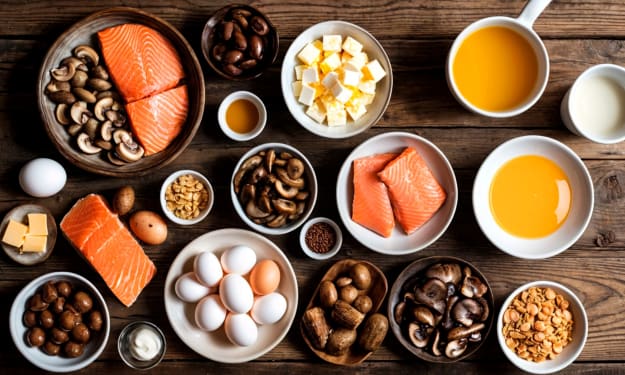
Introduction: Vitamin D is often known as the “sunshine diet” because of its precise capability to be synthesized through the pores and skin through daylight. However, many people fail to get enough sun publicity each day. As a result, the significance of consuming D-rich nutrients becomes paramount. This fat-soluble diet plays an important feature in calcium absorption, bone health, muscle characteristics, and immune protection. In today's life, wherein indoor dwelling has become the norm, incorporating Vitamin D into your eating regimen is a smooth but powerful technique to enhance health. This article explores seven effective meals that clearly offer this important nutrient. 1. Fatty Fish: Nature’s Most Abundant Source Fatty fish like salmon, mackerel, sardines, and trout are a number of the richest dietary assets of vitamin D. A hundred-gram serving of cooked salmon, for instance, offers about 526 IU (International Units) of nutrients D, assembling a massive portion of the day’s recommended consumption. These fish additionally incorporate omega-three fatty acids, which improve coronary heart health and decrease contamination. Opting for wild-stock sorts can now and again provide higher diet D degrees than farmed ones. Regularly eating together with fatty fish in your food can appreciably help prevent eating regimen D deficiency and maintain bone power and immune resilience. 2. Cod Liver Oil: The Traditional Supplement Cod liver oil would possibly remind some of a nostalgic remedy from childhood, but its dietary value is straightforward. Just one teaspoon includes a whopping 450 IU to 1,360 IU of food regimen D, making it one of the most concentrated food properties available. Alongside food plan D, cod liver oil is rich in nutrients A and omega-three fatty acids, contributing to eye fitness, immunity, and thought function. Although its taste might not appeal to absolutely everyone, modern-day encapsulated variations make it simpler to consume. Integrating cod liver oil into your every day habits can drastically boost your weight loss plan tiers efficiently. 3. Fortified Foods: Everyday Options with a Nutritional Boost Fortified foods provide a realistic manner to decorate your vitamin D consumption, especially for those on a plant-based diet or who don’t eat a whole lot of fish. Common fortified meals encompass cow’s milk, plant-based totally absolutely certainly alternatives (which encompass almond, soy, and oat milk), breakfast cereals, orange juice, and even margarine. These foods are enriched with artificial weight loss plan D to mimic the nutrient’s presence in natural resources. A cup of fortified milk, for example, provides about one hundred fifteen to 130 IU. By checking labels and choosing merchandise fortified with vitamin D2 or D3, you can, without difficulty, add this critical nutrient to your everyday diet plan. 4. Egg Yolks: Small But Mighty Nutrient Bombs Egg yolks are every other herbal delivery of nutrition D, especially valuable for people who won't eat fish. A single huge egg yolk includes around 37 IU of vitamin D, with the quantity inspired by the fowl’s exposure to daylight and diet. Free-range or pasture-raised hens often produce eggs with higher vitamin D content as compared to the ones raised indoors. Besides vitamin D, eggs additionally offer protein, choline, and crucial fat. While eggs shouldn’t be your sole source of vitamins, adding them to your weekly meals contributes meaningfully to universal consumption and helps bone and immune health. 5. Mushrooms The Plant-Based Powerhouse Mushrooms are quality plant-primarily based foods that evidently contain vitamin D. Specifically, they produce vitamin D2 while exposed to ultraviolet (UV) light, just like how human skin synthesizes vitamin D3. Varieties including misty, morels, and UV-uncovered portabello mushrooms can offer between 400 and 700 IU in keeping with a 100-gram serving. While vitamin D2 is not always as powerful as D3 in raising blood tiers, it nevertheless contributes extensively to normal consumption. For vegetarians and vegans, mushrooms provide an outstanding, herbal supply of weight-reduction plan D and should be protected often in food, specifically at some point in the darker months with restrained daytime. 6. Cheese A Tasty Way to Add Vitamin D Certain cheeses, particularly the ones made from entire milk, consisting of Swiss, cheddar, and feta, consist of small amounts of nutrition D. While cheese does no longer offer as immoderate a concentration as fatty fish or cod liver oil, it remains a valued nutritional addition because of its calcium content. A 28-gram serving of cheddar cheese offers around 12 IU of vitamin D. Though modest, this quantity contributes incrementally to your daily requirements. Cheese moreover gives a delicious and versatile manner to enhance your food and help bone fitness thanks to its combination of nutrition D, calcium, and protein. 7. Beef Liver: A Nutrient-Dense Organ Meat Beef liver, even though not each person’s desired, is an incredibly nutrient-dense food rich in vitamin D, iron, vitamin A, and protein. A 100-gram serving of cooked beef liver carries about forty-two IU of vitamin D. While this quantity can also appear small as compared to fish or dietary supplements, the liver’s huge selection of essential nutrients makes it a precious meal sparsely. Given its strong flavor, it may be included in stews, pâtés, or liver spreads. Eating beef liver once in a while guarantees a varied diet and elements, not the simplest food regimen D. However, there are also extraordinary vitamins critical for immune function and energy manufacturing. Conclusion: Prioritize Vitamin D for Holistic Wellbeing Vitamin D performs an essential function in keeping your bones sturdy and your immune machine robust. While sunshine stays a nice natural source, nutritional consumption will become critical in regions with confined sun publicity or inside the direction of wintry climate months. From fatty fish and cod liver oil to eggs and mushrooms, these seven foods offer practical and numerous alternatives to meet your frame’s needs. By consciously including nutrient-rich foods in your weight loss program, you not only help skeletal health but also beautify your frame's protection mechanisms. A balanced method of food and lifestyle could make a tremendous difference in your long-term well-being.
By Sabz Ali Khan11 months ago in Education
7 Power-Packed Foods Rich in Vitamin D for Strong Bones and a Resilient Immune System. Content Warning. AI-Generated.
Introduction: Vitamin D is often known as the “sunshine diet” because of its precise capability to be synthesized through the pores and skin through daylight. However, many people fail to get enough sun publicity each day. As a result, the significance of consuming D-rich nutrients becomes paramount. This fat-soluble diet plays an important feature in calcium absorption, bone health, muscle characteristics, and immune protection. In today's life, wherein indoor dwelling has become the norm, incorporating Vitamin D into your eating regimen is a smooth but powerful technique to enhance health. This article explores seven effective meals that clearly offer this important nutrient. 1. Fatty Fish: Nature’s Most Abundant Source Fatty fish like salmon, mackerel, sardines, and trout are a number of the richest dietary assets of vitamin D. A hundred-gram serving of cooked salmon, for instance, offers about 526 IU (International Units) of nutrients D, assembling a massive portion of the day’s recommended consumption. These fish additionally incorporate omega-three fatty acids, which improve coronary heart health and decrease contamination. Opting for wild-stock sorts can now and again provide higher diet D degrees than farmed ones. Regularly eating together with fatty fish in your food can appreciably help prevent eating regimen D deficiency and maintain bone power and immune resilience. 2. Cod Liver Oil: The Traditional Supplement Cod liver oil would possibly remind some of a nostalgic remedy from childhood, but its dietary value is straightforward. Just one teaspoon includes a whopping 450 IU to 1,360 IU of food regimen D, making it one of the most concentrated food properties available. Alongside food plan D, cod liver oil is rich in nutrients A and omega-three fatty acids, contributing to eye fitness, immunity, and thought function. Although its taste might not appeal to absolutely everyone, modern-day encapsulated variations make it simpler to consume. Integrating cod liver oil into your every day habits can drastically boost your weight loss plan tiers efficiently. 3. Fortified Foods: Everyday Options with a Nutritional Boost Fortified foods provide a realistic manner to decorate your vitamin D consumption, especially for those on a plant-based diet or who don’t eat a whole lot of fish. Common fortified meals encompass cow’s milk, plant-based totally absolutely certainly alternatives (which encompass almond, soy, and oat milk), breakfast cereals, orange juice, and even margarine. These foods are enriched with artificial weight loss plan D to mimic the nutrient’s presence in natural resources. A cup of fortified milk, for example, provides about one hundred fifteen to 130 IU. By checking labels and choosing merchandise fortified with vitamin D2 or D3, you can, without difficulty, add this critical nutrient to your everyday diet plan. 4. Egg Yolks: Small But Mighty Nutrient Bombs Egg yolks are every other herbal delivery of nutrition D, especially valuable for people who won't eat fish. A single huge egg yolk includes around 37 IU of vitamin D, with the quantity inspired by the fowl’s exposure to daylight and diet. Free-range or pasture-raised hens often produce eggs with higher vitamin D content as compared to the ones raised indoors. Besides vitamin D, eggs additionally offer protein, choline, and crucial fat. While eggs shouldn’t be your sole source of vitamins, adding them to your weekly meals contributes meaningfully to universal consumption and helps bone and immune health. 5. Mushrooms The Plant-Based Powerhouse Mushrooms are quality plant-primarily based foods that evidently contain vitamin D. Specifically, they produce vitamin D2 while exposed to ultraviolet (UV) light, just like how human skin synthesizes vitamin D3. Varieties including misty, morels, and UV-uncovered portabello mushrooms can offer between 400 and 700 IU in keeping with a 100-gram serving. While vitamin D2 is not always as powerful as D3 in raising blood tiers, it nevertheless contributes extensively to normal consumption. For vegetarians and vegans, mushrooms provide an outstanding, herbal supply of weight-reduction plan D and should be protected often in food, specifically at some point in the darker months with restrained daytime. 6. Cheese A Tasty Way to Add Vitamin D Certain cheeses, particularly the ones made from entire milk, consisting of Swiss, cheddar, and feta, consist of small amounts of nutrition D. While cheese does no longer offer as immoderate a concentration as fatty fish or cod liver oil, it remains a valued nutritional addition because of its calcium content. A 28-gram serving of cheddar cheese offers around 12 IU of vitamin D. Though modest, this quantity contributes incrementally to your daily requirements. Cheese moreover gives a delicious and versatile manner to enhance your food and help bone fitness thanks to its combination of nutrition D, calcium, and protein. 7. Beef Liver: A Nutrient-Dense Organ Meat Beef liver, even though not each person’s desired, is an incredibly nutrient-dense food rich in vitamin D, iron, vitamin A, and protein. A 100-gram serving of cooked beef liver carries about forty-two IU of vitamin D. While this quantity can also appear small as compared to fish or dietary supplements, the liver’s huge selection of essential nutrients makes it a precious meal sparsely. Given its strong flavor, it may be included in stews, pâtés, or liver spreads. Eating beef liver once in a while guarantees a varied diet and elements, not the simplest food regimen D. However, there are also extraordinary vitamins critical for immune function and energy manufacturing. Conclusion: Prioritize Vitamin D for Holistic Wellbeing Vitamin D performs an essential function in keeping your bones sturdy and your immune machine robust. While sunshine stays a nice natural source, nutritional consumption will become critical in regions with confined sun publicity or inside the direction of wintry climate months. From fatty fish and cod liver oil to eggs and mushrooms, these seven foods offer practical and numerous alternatives to meet your frame’s needs. By consciously including nutrient-rich foods in your weight loss program, you not only help skeletal health but also beautify your frame's protection mechanisms. A balanced method of food and lifestyle could make a tremendous difference in your long-term well-being.
By Sabz Ali Khan11 months ago in Education
10 Superfoods to Keep the Kidneys Healthy:. Content Warning. AI-Generated.
Introduction Our kidneys are mind-blowing organs, quietly filtering our blood, balancing physical fluids, and detoxifying our devices every day. In the quick-paced, cutting-edge global, in which environmental pollutants and nutritional challenges abound, taking note of kidney health is essential. The simplest approach to support kidney health functions depends on choosing appropriate nutrients for the body. Diets rich in antioxidants, vitamins, and anti-inflammatory compounds can rev up those essential organs or maybe help thwart back-capability kidney-associated illnesses. In contemporary years, the concept of "superfoods" has taken a middle grade in discussions about fitness and health. These nutrient-dense meals provide a big type of benefits, functioning as natural protectors and enhancers for our bodies. Superfoods function as forceful companions for those who wish to achieve holistic fitness despite not providing cures for enduring medical conditions. This essay explores ten superfoods that might be especially beneficial for kidney fitness. We will delve into the nutritional profiles that make each food object precise and speak about how many meals to your food plan can promote the most beneficial kidney function. Whether you are aiming to prevent kidney disease or definitely seeking to reinforce your everyday health routine, expertise in how every one of those foods enables kidney function is valuable. 1. Blueberries Natural antioxidants have earned blueberries a specific notable place as one of the most superior antioxidants found in the natural world. Brimming with vitamin C, vitamin K, and some phytonutrients, those small berries are a giant dietary punch that helps normal well-being. Their immoderate interest in anthocyanins is credited with lowering irritation and preventing oxidative strain a device that, even unchecked, can damage kidney tissue. Regular consumption of blueberries has been linked with improved cardiovascular characteristics and some other crucial details of kidney health. Given that the kidneys paint carefully with the coronary heart to hold blood drift and strain, a heart-healthy weight loss plan always benefits the kidneys, too. Furthermore, the natural sweetness of blueberries makes them a delightful addition to numerous dishes beginning from morning smoothies to hearty salads thereby seamlessly integrating into each day's nutrients. 2. Cranberries famously associated with urinary tract fitness.However, their advantages make it bigger a long way past that area. Rich in proanthocyanidins, cranberries assist in preventing risky bacteria from adhering to the partitions of the urinary tract. This shielding extremely reduces the hazard of infections that can ascend into the kidneys, particularly in vulnerable populations. Additionally, cranberries are an excellent supply of nutrition C and distinctive antioxidants, which assist the immune system and assist in reducing systemic inflammation. Including unsweetened cranberry juice or raw cranberries in your diet plan can function as a protection degree in opposition to ordinary infections and infection. When used along with a balanced weight-reduction plan, cranberries play a crucial function in the holistic approach to kidney care. 3. Garlic, though often favored for its sturdy flavor, is a long way more than a culinary staple. This seemingly humble bulb is loaded with compounds together with Allison, stated for its antibacterial and anti-inflammatory properties. Traditional treatment has a lengthy reputation for garlic for its capability to enhance the immune machine and fend off infections. Modern technological understanding has confirmed that such properties can not directly aid kidney health by reducing the body’s inflammatory burden. The antioxidant properties of garlic destroy free radicals, which reduces the damage to kidney characteristics from oxidative stress throughout extended periods. Studies indicate garlic provides blood pressure-lowering benefits, which serve as a significant factor in preventing persistent kidney disease. When left uncooked in salads or lightly cooked to preserve its useful compounds, garlic becomes a bendy superfood, elevating the flavor and health quotient of any meal. 4. Red Bell Peppers Bright pink bell peppers are not the most effective visually beautiful; however, they are additionally nutritionally rich. Among the very high concentrations of nutrient C determined in glowing produce, red bell peppers surpass many combinations of this critical nutrient. The human body benefits from vitamin C through tissue repair along with protection against infections and loose radical elimination at multiple body levels. Kanye's sprains are especially relevant to renal health because they damage kidneys through oxidative stress, which remains an accepted factor in kidney deterioration. The multivitamins contained in crimson bell peppers include vitamin A, vitamin B6, and potassium, which together help maintain blood pressure and aid body detoxification processes. Alongside their low potassium content, red bell peppers provide a superb dietary choice for people controlling their potassium levels because of kidney difficulties. The wide application range of crimson bell peppers enables their uncooked consumption as well as roasting and inclusion in various dishes, along with reducing their value as a dietary addition for kidney-friendly diet plans. 5. Kale The calciferous vegetable kale stands as an admired member of its family because of both its nutritional value and its multiple kitchen applications. The vitamin profile of kale contains nutrients A, C, and K alongside various minerals such as calcium and iron, which support body function and organ health. Its excessive antioxidant content material cloth permits for preventing the cell damage brought on by using the usage of unfastened radicals, thereby imparting indirect protection for the kidneys. While the high oxalate content in kale may also additionally decorate worries about people susceptible to kidney stones, moderate consumption is generally safe for most human beings. Additionally, while organized well (for instance, via steaming or gently sautéing), the bioavailability of its vitamins will increase at the same time as lowering capability negative results. Kale’s remarkable dietary footprint, mixed with its capability to lessen contamination and assist cleaning methods, establishes it as an excellent best friend within the undertaking to save you persistent kidney troubles. 6. Olive Oil The Mediterranean food routine uses olive oil as its essential element that supports heart health. Antioxidant-rich is a critical interest for kidney features. Rich in monounsaturated fat and polyphenols, olive oil facilitates reduced irritation and oxidative stress while supporting 7. Cauliflower contains a low potassium content and helps maintain kidney health along with the cleaning mechanism. Rich in vitamins C, folate, and fiber, it permits the neutralizing of pollution and decreases infection. Its compounds, like indoles and glucosinolates, help the liver and kidneys in breaking down volatile substances. Whether mashed, steamed, or roasted, cauliflower is a versatile addition to a kidney-conscious weight-reduction plan. 8. Apples An apple in the afternoon absolutely helps kidney health. Apples are immoderate in fiber and anti-inflammatory compounds that aid in reducing LDL cholesterol, controlling blood sugar, and improving digestion. Their low potassium content and powerful antioxidant profile make them perfect for supporting kidneys manifestly. Enjoy apples. Raw, baked, or in salads for a candy and healthy deal. 9. Onions Onions have evolved from being dietary flavor enhancers to containing valuable quercetin, which shows anti-inflammatory effects. Onions contain a low potassium content that benefits the kidneys by assisting blood pressure control and reducing toxic substances within the body. People with kidney problems can enjoy onions whether they prefer raw or cooked preparation due to their stability in normal food items. 10. Watermelon (moderately) Watermelon, at the same time as being eaten carefully, offers hydration and antioxidants like lycopene that assist in kidney detox. Its excessive water content material facilitates flush pollution and reduces the danger of kidney stones. However, due to its natural sugar and potassium degrees, element control is essential making it a refreshing but conscious choice. Conclusion Maintaining kidney fitness doesn’t require excessive measures just conscious alternatives. By incorporating those ten superfoods into your daily weight loss program, you’re no longer the only one handy, nourishing your kidneys but also supporting your well-known fitness. Each meal, from antioxidant-rich berries to hydrating watermelon, brings a unique gain that enhances the kidneys’ herbal detoxifying feature. Remember, at the same time as no unmarried meal can perform miracles, a balanced, nutrient-wise food plan can go a long way in protecting those essential organs. Pair those superfoods with proper hydration, ordinary exercise, and recurring health tests to keep your kidneys functioning at their high quality. Moving toward better kidney health commences with the following piece of eating.
By Sabz Ali Khan11 months ago in Education