Patrizia Poli
Bio
Patrizia Poli was born in Livorno in 1961. Writer of fiction and blogger, she published seven novels.
Stories (284)
Filter by community
Incipit and AI Generated Images
The shadow moved along the curtain divider and the lower half of the monster fell to the ground. The mammoth head bristling with spikes gasped. The room was filled with the clanking of metal mixed with the January wind that bellowed through the window.
By Patrizia Poliabout a year ago in BookClub
Incipit and AI generated Images
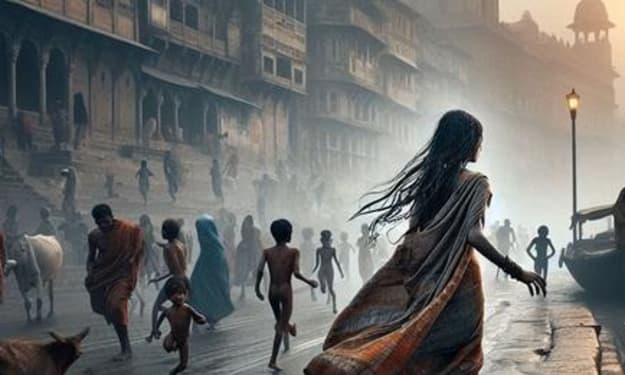
If I had turned around I wouldn’t have seen them, so I continued to climb against the wind, stubbornly, with my boots splashing dirt, sinking in and getting wet with damp peat. I could imagine their steps, their bodies cutting through the air, occupying a now empty space, their bodies that would never grow. Maria and Elisabeth: my dead sisters.
By Patrizia Poliabout a year ago in BookClub
Federica Cabras's, "Finchè morte ci separi"
The squaring the the circle. Or rather: how to make Federica Cabras’s two souls coincide, the one who writes sparkling chick-lit full of effervescent exchanges, jokes, spicy scenes, heartbeat and romanticism, with the other soul, the dark, mortuary, horror one. Simply by creating the successful character of Lucrezia Muscas, in “Until Death Do Us Part”, a sweet, introverted, dreamy girl, unconsciously searching for her place in the world and her soulmate. Lucrezia is a beautician by profession. Yes, but for the dead. Lucrezia is a thanato-beautician, she puts makeup on deceased people to make them presentable during funerals, to give that impression of “asleep” rather than rotten, to tame death as heartbroken relatives impose. She loves her job, she has always been fascinated by passing away. The deceased do not judge, do not mock, do not even interrupt. She talks to the dead, tells them about her misadventures, her simple life, her hidden desires.
By Patrizia Poli2 years ago in BookClub
Terradimandorla's "Divento di Vento"
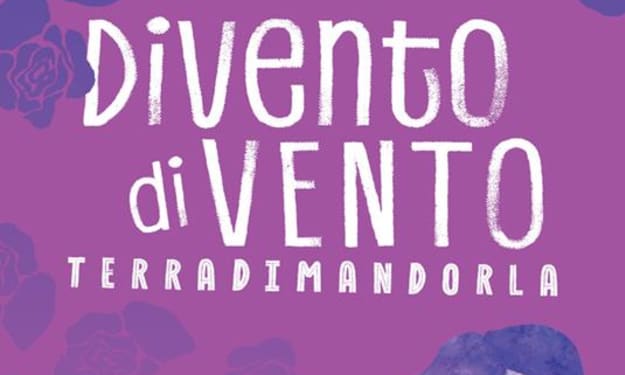
A collection of very well written, very literary stories. They range from science fiction to the dreamlike, passing through the surreal. Illustrated with decomposed, almost liquid drawings in pastel colours. Terradimandorla, pseudonym of Cristina Basile, an expat author hovering between France and Sicily, writes and paints them.
By Patrizia Poli2 years ago in BookClub
Aldo Dalla Vecchia's "La Tele a Torino"
An agile and economical pocket manual, like a small precious treasure chest. It brings together 70 years of television linked to a city that is not Rai's Rome nor Mediaset's Milan, but rather the austere, elegant and profitable Turin.
By Patrizia Poli2 years ago in BookClub
GiuseppeBenassi's "Una Favolosa Eredità"
A ride into disgust, more and more explicit, less and less mitigated by the sublime of the art or the lyricism of the landscape, this latest effort by Giuseppe Benassi. In “A Fabulous Inheritance” we find the ever-present Labronian lawyer Borrani dealing with a case full of legal as well as criminal quibbles, a huge inheritance disputed between four people, with as many wills now in favor of one, now of the other. Someone dies, as is predicted by the first victim in the incipit of the novel, indeed, there are two people killed, and it is not easy to disentangle the various characters, who all have more or less a reason for crime. The environment in which we move is no longer Livorno but Fauglia, sweet and perverse Tuscan countryside, made of art, old dusty villas, unspeakable hatreds and resentments. Inherits are disputed, people die in mysterious circumstances, lawyers fight each other, there is even an authentic Michelangelo involved, art in the end wins over everything and blessed is he who can enjoy it fully, even redeeming the evil committed in a sort of Parnassus.
By Patrizia Poli2 years ago in BookClub
Doc nelle tue mani
I have reached the end of the third season of “Doc in Your Hands”, an amazing medical drama — there will probably be a fourth, given its success — but the last episode left me very dissatisfied. After a great “episode” like the sixth, the one about the earthquake so to speak, worthy of the best American series and of the progenitor E. R., I was disappointed by the ending.
By Patrizia Poli2 years ago in Fiction
Emma Fenu's "In Cerca di Te"
The (large and hidden) part of me that monthly flooded the menstrual Red Sea with silent tears, that feared envying other people’s pregnancies, then ended up loving the products of those pregnancies gutlessly, considering them compensation and a belated gift, that part, I was saying, recognizes the suffering of Emma Fenu in her “In Search of You”.
By Patrizia Poli2 years ago in BookClub