Muniru Azeez Abiola
Stories (1)
Filter by community
AI Art Vs Human Art.
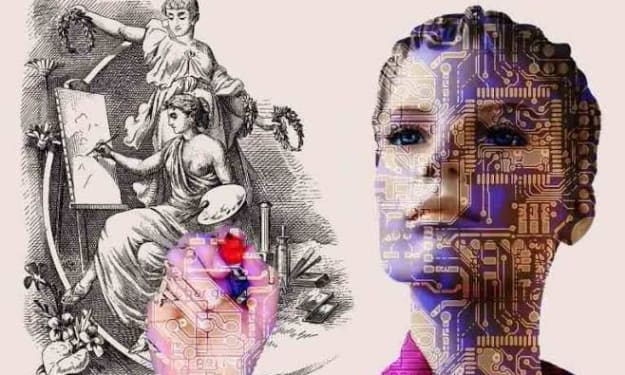
The arts are among the many domains where artificial intelligence (AI) is proving to be a revolutionary force. For human artists, AI-generated art—art produced by computers and machine learning techniques—offers both possibilities and difficulties. The effects of AI art on creativity, innovation, teamwork, and the future of artistic expression will all be discussed in this essay as we examine the implications of AI art for human artists. First of all, AI art questions conventional ideas of authorship and creativity. The assumption that only human artists are capable of conceptualizing, imagining, and expressing ideas in a unique way has long been held. But AI makes it harder to distinguish between human and artificial creation, which begs the question of what an artist's job as a creator is. Artificial intelligence (AI) algorithms have the ability to produce visually spectacular artworks that can compete with those made by human hands. This questions the conventional order of creative merit based on human authorship and casts doubt on the idea of artistic genius. Furthermore, AI art opens up new creative and innovative possibilities for human artists. Large-scale data analysis, pattern recognition, and the creation of unique visual element combinations that human artists could not have thought of are all capabilities of AI algorithms. This creates new opportunities for experimentation and exploration, enabling artists to push the limits of their imagination and go where no one has gone before. Human artists can enhance their creative process and discover new avenues for expression and creativity by integrating AI tools into their work. AI art also makes it easier for humans and robots to work together, which promotes the development of hybrid artistic practices. AI systems and artists work together on collaborative projects in which the former provides the creative direction and the latter helps AI algorithms carry out artistic concepts. The line between human and machine agency is blurred by this collaborative method, resulting in the co-creation of artworks that combine computational intelligence and human intuition. These kinds of partnerships encourage interdisciplinary communication and exchange, adding a variety of viewpoints and methods to the artistic environment. AI art also pushes traditional artists to reconsider how they interact with technology and to adopt new instruments and techniques. AI tools are being used by artists more frequently in their creative processes as these technologies become more widely available and intuitive to use. With artificial intelligence (AI), artists have access to a wide range of tools and resources that can improve their creative output, from generative art algorithms to neural network-based image processing approaches. Human artists can experiment with new techniques, broaden their creative arsenal, and remain on the cutting edge of technological advancement in the arts by embracing AI technologies. But in addition to the potential, AI art presents difficulties and worries for human artists. The possibility that AI-generated art would substitute human artists is one of the main worries. There is concern that as AI algorithms advance, the market may become oversaturated with AI-generated art, thereby overshadowing the creations of human artists. This calls into question the future of artistic labor in an AI-driven world, as well as the economic viability of artistic careers. AI-generated art may become more competitive with human artists, which would decrease the market for works created by humans. Furthermore, the nature of originality, authenticity, and creativity are among the ethical and philosophical issues that AI art presents. Since AI algorithms are trained on already-existing datasets of artistic works, there are worries around artistic style appropriation, plagiarism, and copyright violations. Artificial intelligence-generated art might not have the same emotional richness, cultural resonance, or personal expression as art made by humans. This calls into question the legitimacy and significance of AI art as well as its worth and place in the canon of creative expression In conclusion, Human artists must change and adapt as AI continues to transform the field of artistic practice. They must embrace technology as a tool for creative discovery and promote moral and acceptable methods of using AI in art. Human artists may manage the changing relationship between art and technology and influence the direction of artistic expression in the digital era by participating in critical reflection, conversation, and collaboration
By Muniru Azeez Abiola2 years ago in Art