ICD-10 Codes for Hyperlipidemia: Diagnosis and Treatment
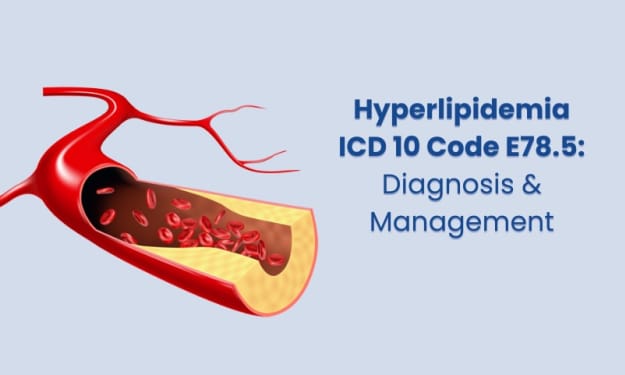
Hyperlipidemia refers to elevated levels of lipids, or fats, in the bloodstream, mainly cholesterol and triglycerides. While lipids are essential for normal bodily functions such as hormone production and cell structure, excessive levels significantly increase the risk of serious cardiovascular conditions, including heart disease, stroke, and atherosclerosis. Hyperlipidemia is commonly classified into primary and secondary forms. Primary hyperlipidemia is usually inherited and linked to genetic factors, whereas secondary hyperlipidemia develops due to lifestyle habits, underlying medical conditions, or certain medications. Conditions such as hypercholesterolemia, hypertriglyceridemia, and mixed hyperlipidemia represent different lipid abnormalities, each requiring specific diagnosis and management.