Mebrie Moges
Stories (4)
Filter by community
what if we do not get enough sleep?
In the bustling world of today, where the glow of screens and the hum of activity often dominate our lives, the value of sleep is frequently underestimated. Yet, beneath the surface of our consciousness, sleep plays a pivotal role in maintaining our mental and physical well-being. Dr. Matthew Walker, a distinguished professor of neuroscience and psychology at the University of California Berkeley, sheds light on the profound repercussions of sleep deprivation in his seminal work, "Why We Sleep." Through his research, Dr. Walker unveils the intricate mechanisms by which sleep deprivation exacts its toll on the human body, offering a stark reminder of the indispensable nature of restorative slumber.
By Mebrie Moges2 years ago in Education
How big is our Galaxy?
In the vast expanse of the universe, galaxies stand as cosmic islands, each containing billions to trillions of stars, along with vast clouds of gas, dust, and dark matter. These colossal structures, bound together by gravity, come in various shapes and sizes, from spiral and elliptical galaxies to irregular formations. Within galaxies, stellar nurseries give birth to new stars, while gravitational interactions shape their evolution over billions of years. Galaxies serve as laboratories for understanding the fundamental laws of physics and the processes that govern the cosmos. They are the building blocks of the universe, forming clusters and superclusters that span unimaginable distances, weaving together the tapestry of cosmic evolution. As we gaze into the depths of space, galaxies captivate our imagination, offering a glimpse into the majestic dance of celestial bodies on a truly cosmic scale.
By Mebrie Moges2 years ago in Education
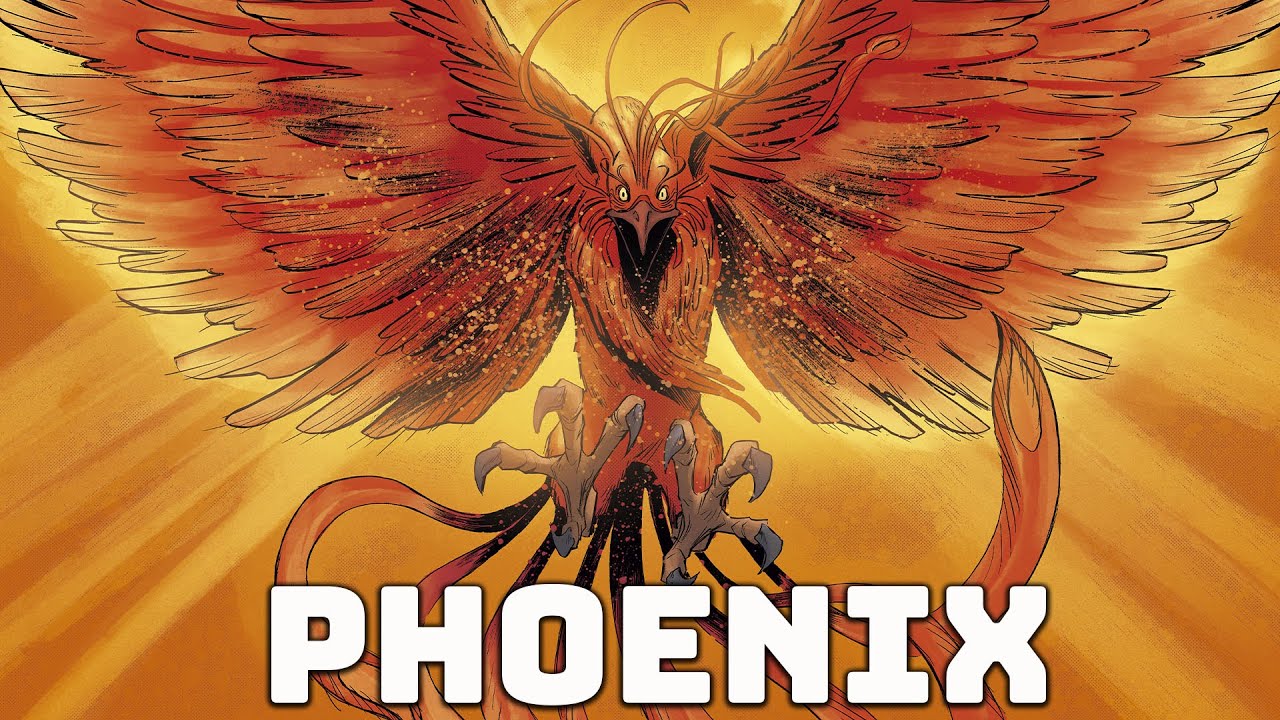
the History of phoenix bird
Since ancient times, the myth of the phoenix has captivated the human imagination, weaving its way through diverse cultures and leaving an indelible mark on our collective consciousness. Originating from Persian, Egyptian, Greco-Roman, and Jewish mythologies, the phoenix is a symbol of power, resilience, and immortality. With its vibrant red and yellow plumage, the phoenix is often depicted as a bird of prey or a flaming peacock, embodying both majesty and awe.
By Mebrie Moges2 years ago in History
What happens if we hold our pee for a long period of time?
Urination, a fundamental bodily function, is orchestrated by the kidneys, which meticulously filter waste from our blood, producing urine that finds its temporary abode in the bladder. Typically accommodating one to two cups of urine, the bladder is marvellously elastic, capable of stretching to hold more under certain conditions. However, habitual retention of urine can induce a remarkable expansion in bladder capacity. Studies, such as those conducted on nurses constrained by job requirements, have shown that individuals subjected to prolonged urine holding can develop nearly double the average bladder capacity. Surprisingly, many of these individuals reported no discernible adverse effects from this practice. Nonetheless, it's imperative to underscore that this doesn't advocate for the habit of urine retention. Prolonged holding not only stretches the bladder but also poses risks to the external sphincter muscles, crucial for controlling urinary flow.
By Mebrie Moges2 years ago in Education