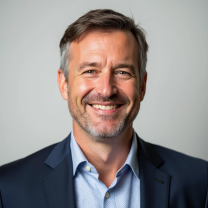
Mahmoud Khalil
Who is Mahmoud Khalil? Background and Initial Involvement
Mahmoud Khalil, at the time of the 2024 Columbia University pro-Palestinian campus occupations, was a graduate student at the university’s School of International and Public Affairs (SIPA) . His background is marked by displacement and a deep personal connection to the Palestinian cause. Born in 1995 in a refugee camp in Damascus, Syria, to Palestinian refugees from Tiberias, Khalil experienced the realities of statelessness from a young age . This experience was compounded when he and his family were forced to flee to Lebanon in 2012 following the onset of the Syrian civil war, leading journalist Lauren Bohn to describe him as a “double refugee” . Despite these challenges, Khalil pursued his education, teaching himself English while working with Syrian refugees through the Syrian-American education nonprofit Junsoor . Simultaneously, he earned a bachelor’s degree in computer science from the Lebanese American University in Beirut . His commitment to international affairs is further evidenced by his years working for the British government’s Foreign, Commonwealth and Development Office in Beirut, where he managed the Chevening Scholarship and supported diplomats with his language skills and local knowledge . In 2022, Khalil immigrated to the U.S. on a student visa to attend SIPA at Columbia University . He married a U.S. citizen, Noor Abdalla, in New York in 2023 after a seven-year long-distance relationship, and subsequently received a green card in 2024, granting him permanent residency . He completed his master’s degree in December 2024 and was due to graduate in May 2025 . Adding to his experience in international affairs, Khalil also interned for a United Nations relief agency that supports Palestinian refugees, UNRWA . This background suggests that Khalil’s activism was likely informed by his personal history, educational pursuits, and professional experiences in the realm of international aid and development. The fact that his permanent residency became a focal point during his arrest indicates a significant shift in the legal grounds for his detention .