IBTESUM ISLAM WASI
Stories (3)
Filter by community
𝙷𝚞𝚗𝚍𝚛𝚎𝚍𝚜 𝚒𝚗𝚓𝚞𝚛𝚎𝚍 𝚊𝚗𝚍 𝚍𝚎𝚊𝚝𝚑𝚜 𝚛𝚎𝚙𝚘𝚛𝚝𝚎𝚍 𝚒𝚗 𝚖𝚊𝚜𝚜𝚒𝚟𝚎 𝚋𝚕𝚊𝚜𝚝 𝚊𝚝 𝚔𝚎𝚢 𝙸𝚛𝚊𝚗 𝚙𝚘𝚛𝚝💤
A comprehensive article based on all of the information about the recent explosion in Iran is provided here: --- Hundreds of people were injured and killed in a massive blast at a crucial Iranian port. On April 26, 2025, Shahid Rajaee Port, Iran's largest commercial port in Bandar Abbas, was the scene of a massive explosion that killed at least five people and injured more than 700 others. Authorities are describing the incident as one of the deadliest industrial accidents in the country in recent years. The blast occurred around 12:10 p.m. local time and was powerful enough to be heard and felt across a wide area, including on Qeshm Island, more than 25 kilometers away. The explosion originated from a cluster of shipping containers on one of the port’s wharves, and initial reports suggest that the containers held hazardous chemical materials. Disruption and Destruction The explosion's force sent a huge cloud of black smoke into the sky, which could be seen for miles. Numerous structures in and around the port were severely damaged, with at least one building completely falling down. Windows were shattered up to five kilometers away, and vehicles were overturned or incinerated near the blast zone. Eyewitnesses described scenes of chaos as flames spread through the port complex. "It was like an earthquake," said a port worker who managed to escape with minor injuries. “The entire sky went black. All over, people were running. Response to an emergency is underway. Emergency services quickly mobilized, with dozens of ambulances and fire trucks arriving at the scene within minutes. The Iranian Red Crescent Society dispatched rapid response units from Hormozgan province, while medical centers in Bandar Abbas were placed on high alert. Over 700 people had been injured, according to Iran's Ministry of Health. Many of them had burns, smoke inhalation, or shrapnel wounds. There are currently dozens of people in critical condition, which raises concerns that the death toll could rise further. Firefighting crews battled for hours to control the flames. Authorities temporarily shut down port operations and cordoned off the area to facilitate rescue and recovery efforts. Hazardous cargo mishandling may be the cause. While the exact cause of the explosion is still under investigation, early reports point to containers holding sodium perchlorate — a chemical commonly used in missile fuel — as the likely source. According to the security firm Ambrey, the port had received a shipment of the chemical from China in March. Experts believe that improper storage or handling of the flammable compound may have triggered the initial fire, which then led to the catastrophic explosion. Iranian officials have so far downplayed suggestions of sabotage or foreign interference, though security has been heightened throughout the port and surrounding areas. National and International Concerns The Shahid Rajaee Port plays a critical role in Iran’s economy, handling nearly 80 million tons of cargo annually and accounting for over half of the country’s commercial maritime trade. The incident is even more concerning from a geopolitical perspective due to its proximity to the crucial Strait of Hormuz, which is where a significant portion of global oil shipments pass. Notably, the explosion coincides with sensitive nuclear negotiations taking place in Oman between Iranian officials and representatives from the United States and European nations. Iranian Foreign Minister Abbas Araghchi acknowledged the incident but urged the public not to jump to conclusions. “We are fully committed to investigating this event transparently and thoroughly,” Araghchi said. “All possibilities are on the table, but our immediate focus is on saving lives and restoring safety.” International Reactions and Solidarity From all over the world, condolences and assistance requests came flooding in. The United Nations issued a statement expressing "deep sorrow" over the loss of life and injury, while several countries, including Turkey, Russia, and India, extended offers to send medical aid and recovery teams. U.S. State Department officials declined to speculate on the cause of the explosion but confirmed that they were monitoring the situation closely. Looking Ahead The catastrophe has sparked serious concerns regarding Iranian port safety regulations and oversight, particularly with regard to the handling and storage of hazardous materials. Legislators in Iran are pleading for immediate reforms and a thorough examination of national port safety protocols. President Ebrahim Raisi has ordered an official inquiry and has pledged full government support to the victims and their families. In a televised address, he stated, "This tragedy must not be repeated." “We owe it to the nation to ensure that our ports, as vital arteries of the economy, are secure and resilient.” The nation is mourning the loss of lives, but the search for answers and accountability has only just begun. ---
By IBTESUM ISLAM WASI9 months ago in Earth
Love Effects🍃
The Effects of Love: How Love Shapes the Human Experience One of the most potent feelings known to man is love. It affects how we think, feel, and live across generations, languages, and cultures. Love has an impact on every facet of our lives, from the passionate fire of romantic love to the steady warmth of family ties to the deep trust of lifelong friendships. It can change minds, heal bodies, and uplift souls, and its power extends far beyond fleeting emotions. In this article, we’ll explore the multifaceted effects of love on the human experience. --- 1. Love and Emotional Well-Being Love is fundamentally an emotional experience. It provides a sense of security, acceptance, and connection. When individuals feel loved, they are more likely to experience happiness, optimism, and emotional stability. Love acts as a buffer against life’s stressors, offering comfort during times of uncertainty. Scientifically, love activates the brain’s reward system. The brain releases neurotransmitters like dopamine, oxytocin, and serotonin, which are chemicals that make people feel better, give them more pleasure, and help them form relationships. Oxytocin, also known as the "love hormone," is essential for strengthening emotional bonds and fostering trust between people. On the other hand, emotional suffering can result from love absence or loss. Anxiety, depression, and heartbreak can all lead to feelings of depression. Mental health can be significantly affected by social isolation and a lack of emotional support, according to studies. This underlines how essential love is to emotional well-being. --- 2. Physical Health Benefits of Love Beyond its emotional effects, love can also be beneficial to physical health. People in loving and supportive relationships—whether romantic, familial, or platonic—tend to enjoy better physical health and a longer life expectancy. Love helps reduce stress, which is closely linked to chronic health conditions like high blood pressure, heart disease, and weakened immunity. The calming presence of a loved one can lower cortisol levels, decrease anxiety, and promote relaxation. Even simple physical gestures like hugging, holding hands, or cuddling release oxytocin, which not only deepens emotional connection but also promotes healing and reduces physical pain. Couples or close companions often encourage each other to adopt healthier lifestyles. They might cook healthy meals together, encourage one another to exercise, go to medical appointments, or support one another when they are sick. This shared responsibility fosters a healthier, more balanced life. --- 3. Influence on Behavior and Personality Love doesn’t just affect how we feel—it also influences how we behave. People who experience love often display increased empathy, patience, and kindness. Love encourages individuals to be more giving, selfless, and understanding, helping to build stronger social connections and communities. Loving relationships can inspire personal growth. People are more likely to strive for self-improvement when they are motivated by love, whether it’s to be a better partner, parent, or friend. Love pushes individuals to confront their weaknesses, develop emotional intelligence, and grow in compassion. However, love can also lead to irrational or impulsive behavior. In some cases, the intensity of love can cause people to overlook red flags, become overly dependent, or lose themselves in the relationship. It’s important for love to be balanced with self-awareness and healthy boundaries to avoid unhealthy dynamics. --- 4. Love as a Social Connector Humans are inherently social beings, and love is the glue that holds relationships—and societies—together. Love fosters trust, cooperation, and mutual support. It strengthens families, builds friendships, and sustains communities. In social settings, love promotes positive communication, reduces conflict, and encourages people to work together toward common goals. Societies with strong social ties frequently exhibit greater stability, resilience, and empathy. Love not only benefits individuals but also contributes to the collective well-being of a group or community. Our cultural expressions also show love. It has inspired countless works of literature, art, music, and film. Love is still a universal language of connection and continues to captivate human imagination, from Shakespeare's sonnets to contemporary romantic comedies. --- 5. Importance Spiritual and Existential Love goes beyond the physical and emotional—it can also hold deep spiritual meaning. Many people find purpose, identity, and transcendence through love. Whether it’s the love of a child, a partner, a friend, or a higher power, love provides a sense of belonging and significance. Spiritual traditions across the world emphasize love as a guiding principle. From compassion in Buddhism to agape in Christianity, love is seen as a divine force that elevates the human spirit. It exhorts individuals to transcend self-centeredness, show kindness, and seek deeper connections with others. Love also influences how we view our lives and our place in the world. It gives everyday actions meaning and transforms ordinary experiences into deeply satisfying ones. When people love and are loved, they often feel more connected to life itself. --- 6. The Challenges of Love While love has many positive effects, it can also bring challenges. Love makes us vulnerable to loss, disappointment, and heartbreak. Navigating the complexities of relationships requires effort, communication, and emotional resilience. Sometimes, love can become possessive, obsessive, or conditional. Emotional manipulation, codependency, and even abuse can result from unhealthy love expressions. It is essential to acknowledge that genuine love ought to nurture rather than oppress or harm. Healthy love is based on respect, trust, and equality. Understanding the balance between love for others and love for oneself is also crucial. Self-love is not selfish—it’s foundational. When individuals value themselves, they are better able to form healthy, loving relationships with others. --- Conclusion Love is a force unlike any other. It touches every part of the human experience—mind, body, and soul. It uplifts, heals, motivates, and connects. While it comes with its own set of challenges and risks, the rewards of love are profound and far-reaching. In a world that can often feel divided or uncertain, love offers hope. It reminds us of our shared humanity and our capacity for connection, compassion, and growth. Whether it’s through a hug, a kind word, or a lifelong bond, love continues to be the most transformative and enduring element of the human story. --- If you'd like a version that is optimized for SEO, blog publishing, or printing, let me know!
By IBTESUM ISLAM WASI9 months ago in Motivation
China pushes for tariff cancellation to end US trade war
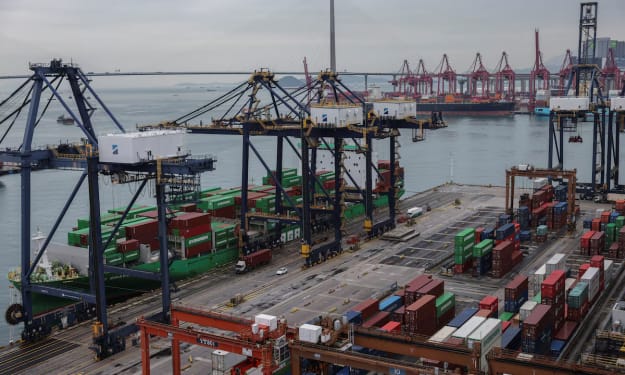
China Pushes for Tariff Cancellation to End US Trade War China is requesting that all tariffs imposed as a result of the trade war between the United States and China be lifted completely in an effort to reduce tensions and rekindle economic cooperation. Chinese officials have indicated that the removal of these punitive measures is necessary to reset bilateral relations and reestablish trust between the two largest economies in the world. A Legacy of the Trade War The trade war, which began in 2018 under the Trump administration, saw the United States impose tariffs on hundreds of billions of dollars’ worth of Chinese goods, citing concerns over intellectual property theft, forced technology transfers, and a massive trade imbalance. China responded with its own retaliatory tariffs on American exports, including agricultural products and automobiles. Numerous tariffs remained in place despite the fact that the two sides signed a "Phase One" agreement in January 2020, which included China's commitment to purchase additional American goods and implement structural reforms. This has largely remained the same under the Biden administration, resulting in ongoing conflict. The Position of China The Ministry of Commerce of China has consistently emphasized that the global economy would benefit from the removal of tariffs in addition to China and the United States. Chinese officials have increased their lobbying efforts in recent months, urging Washington to repeal policies they see as politically motivated and damaging to the economy. “The additional tariffs are not in line with the interests of the two peoples,” a spokesperson from the Ministry said in a recent briefing. "We believe removing them is consistent with global expectations, would assist in stabilizing supply chains, and would reduce global inflationary pressures," Beijing contends that the continuation of tariffs has been detrimental to both parties, restricting American businesses' access to Chinese markets and contributing to rising costs for American consumers. Challenges and US Response However, the United States has remained cautious. While the Biden administration has expressed openness to improving economic relations with China, it remains wary of lifting tariffs without concrete progress on key issues such as market access, human rights, and national security. U.S. Trade Representative Katherine Tai has described the tariffs as “leverage” in ongoing negotiations and has advocated for a strategic approach rather than a wholesale rollback. Some members of Congress, particularly those concerned with American manufacturing and national security, have resisted calls to lift tariffs, arguing that doing so without ensuring structural changes in China’s trade practices would amount to a concession. Business Community Weighs In Both sides' business leaders have become increasingly vocal proponents of tariff relief, citing its potential to cut costs and stabilize the economy. Apple, Tesla, and Boeing, among other American businesses with significant exposure to China, have lobbied for a reduction in trade barriers for a long time. According to a report published by the United States-China Business Council, U.S. exports to China support nearly one million American jobs and that lessening trade friction could significantly benefit manufacturing, agriculture, and semiconductors. Similarly, Chinese firms affected by U.S. tariffs have pushed their government to negotiate for greater market access and the removal of what they perceive as discriminatory practices. Implications for Geopolitics and Strategy The call to cancel tariffs is part of a larger strategic rethink that goes beyond economics. As global challenges such as climate change, pandemics, and regional security require cooperation between Beijing and Washington, leaders on both sides recognize the need for more stable ties. As a confidence-building measure, rolling back tariffs, according to some analysts, could pave the way for more substantial agreements on complex topics like technology competition and cybersecurity. Others, on the other hand, warn that economic negotiations could be overshadowed by geopolitical tensions, particularly those over Taiwan, the South China Sea, and U.S. export controls, limiting the likelihood of meaningful progress. The Way Forward China's request to end all tariffs imposed during the trade war sends Washington the clear message that cooperation is possible, but it requires concrete steps toward de-escalation. Whether the U.S. will respond with equal enthusiasm remains uncertain, but the conversation has clearly returned to the negotiating table. A resolution to the ongoing trade war could provide much-needed stability and growth as the global economy continues to face uncertainty from inflationary pressures to disruptions in supply chains. It is abundantly clear that, if the impasse persists, both nations stand to lose a lot by repairing their economic ties. Conclusion The unresolved issues in U.S.-China trade relations are brought to light by China's renewed demand for tariff cancellation. While political hurdles remain, the economic and strategic incentives to move toward de-escalation are growing. The world will be watching closely to see whether words will turn into action—and whether the scars of the trade war can finally begin to heal.
By IBTESUM ISLAM WASI9 months ago in History