Haven Holidays
Stories (148)
Filter by community
What to Pack for Everest Base Camp Trek?
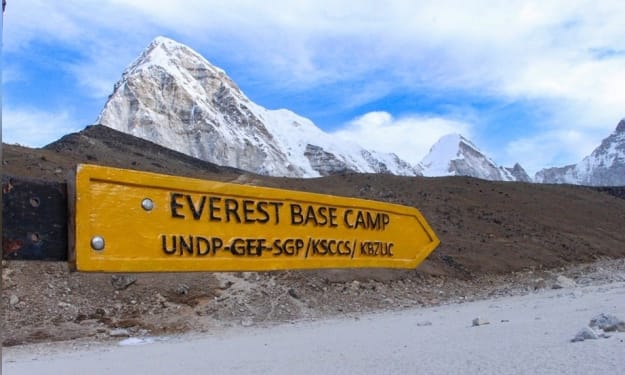
Everest Base Camp Trek: Introduction The most famous high-altitude trek in Nepal is the Everest Base Camp (EBC) Trek. Generally, It is initiated by a scenic flight to Lukla at 2,860 meters. During peak seasons ( Autumn and Spring), you will drive to Manthali and then fly to Lukla. The trek then continues from there via Phakding and to Namche Bazaar at 3,440 meters. The Sherpa village is the trading hub of the Khumbu region. Then, trekkers visit Tengboche, Dingboche, and Lobuche. The trek ends at Everest Base Camp, 5,364 meters above sea level.
By Haven Holidays7 months ago in Journal
What to Pack for Annapurna Base Camp Trek?
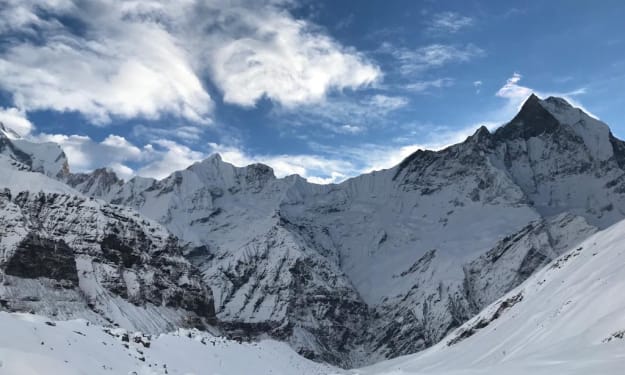
What to Pack for Annapurna Base Camp Trek? Annapurna Base Camp Trek: Overview Annapurna Base Camp Trek elevates to 4,130 meters, Annapurna Base Camp, in central Nepal near Pokhara city. Actually, Annapurna Base Camp Trek (ABC) is recognized for its breathtaking Himalayan views of summits like Annapurna I (8,091m), Machapuchare (6,993m), and Hiunchuli (6,441m). The trek traverses dense woods, stone steps, and traditional Gurung settlements located in Annapurna Conservation Area. The trek blends adventure, culture, and nature into one trail. Meanwhile, the ABC trek usually begins at Nayapul (1,070m) or Ghandruk (1,940m) or Ulleri or Jhino Danda. Most trekkers complete the trek in 7 to 11 days. The path rises steadily, passing through villages like Chhomrong, Dovan, and Deurali. Trekkers overnight at teahouses that serve hot food and basic rooms. You walk along Modi Khola, cross suspension bridges, and walk through rhododendron forests and waterfalls. In fact, it takes 9-11 days if you are doing Annapurna Base Camp via Poon Hill. Actually, Spring (March to May) and autumn (September to November) are best seasons for Annapurna Base Camp Trek. The skies are clear and views are sharp at these times. Winter (December to February) is cold and snowy at base camp. Monsoon (June to August) is wet, with landslides and slippery trails. However, the lower trails are green and lush during monsoon. Moreover, the Annapurna Base Camp trek entails moderate physical condition. Steep uphill and downhill climbs test your endurance. Technical mountaineering is not needed, but sensitivity to the altitude is a must. Acclimatization days and slow walking avert mountain sickness. Most trekkers hire guides or porters, but independent ABC trekking is manageable. In summary, Annapurna Base Camp Trek is a classic Himalayan Trekking route. It’s accessible, scenic, and rewarding from Pokhara and Kathmandu. You’ll experience diverse landscapes, warm hospitality, and epic mountain views. With good preparation, it’s suitable for beginners and experienced trekkers alike. What to Pack for Annapurna Base Camp Trek? Packing the right gear for the Annapurna Base Camp Trek (4,130m) is crucial. Actually, the path traverses a number of climate zones. Therefore, prepare yourself for heat as well as cold. Use the layering system in order to accommodate changing temperatures. First, begin with moisture-wicking base layers. They prevent you from getting wet on treks. For mid-layer warmth, add a wool or fleece sweater. A down jacket is a must above 3,000m, particularly at night. Include a rainproof and windproof outer shell as well. Weather changes rapidly, so remain prepared for rain or snow. Likewise, for bottoms, carry trekking trousers and a thermal set. Convertible trousers prove useful on sunny days. Waterproof trousers to be used in case of rainy days are necessary. Three to four pairs of socks—wool or synthetic—are best for avoiding blisters. Meanwhile, reliable and conformable footwear matters a lot during Annapurna Base Camp Trek. Use high-ankle trekking shoes with good grip. Break them before the trek. Carry sandals or light shoes for evening wear. Carry gloves, warm hat, sun cap, and sunglasses as well. More importantly, don't forget to pack personal belongings for Annapurna Base Camp Trek. A water bottle, purification tablets for water, sunscreen, lip balm, and headlamp are required. Pack a limited first aid kit, toiletries, and small towel. Use dry bags or packing cubes to pack clothing. Store electronics in water-proof containers while packing for Annapurna Base Camp Trek. Additionally, snacks like energy bars, nuts, and chocolates give quick energy. Carry your passport, permits, and some Nepali rupees in small denominations. Finally, keep your total pack weight under 10kg if possible. In conclusion, packing smart improves your Annapurna Base Camp trek. You’ll stay comfortable, dry, and prepared for all weather. What to pack for Annapurna Base Camp Trek in Autumn? Actually, Autumn, September to November, is the best time for Annapurna Base Camp Trek (4,130m). Weather remains stable, clear skies, and a wonderful view of the mountains during Autumn months. Mornings and evenings may be cold, especially at higher altitudes. Hence, packing well for autumn for ABC Trek is vital. First, start with warm base layers in the form of thermal tops and bottoms. Add to this a mid-layer fleece or woolen sweater to provide extra warmth. A good down jacket is warranted on cold nights. Because temperatures near Annapurna base camp sometimes drop below freezing. Windproof and waterproof outer shells protect you from cold winds and intermittent rain. Second, wear airy trekking shirts and quick-dry trekking pants during the day for Annapurna Base Camp Trek in Autumn. These maintain body warmth when the sun is out. Convertible pants might be helpful for warmer middle-of-the-day hikes. Pack a rain jacket as an emergency measure, though rain during autumn is less frequent. Moreover, for footwear, good waterproof trekking boots with ankle support are the best. The trails may be slippery with dew or frost in the mornings. Bring a couple of pairs of wool or artificial socks to dry out and keep feet warm. Also, don't forget warm gloves, a beanie, and a neck gaiter. Sunglasses and sunscreen also guard against strong UV light at higher elevations. Pack a headlamp with extra batteries for early morning and late evening. More importantly, layering is the most crucial in autumn. Pack clothing that keeps you warm but is ventilated. Preparing for temperature swings will make your hike safer and more enjoyable. What to Pack for Annapurna Base Camp Trek in Spring? Spring, March to May, is second most beautiful season for the Annapurna Base Camp Trek (4,130m). Rhododendron woods are painted with vibrant flowers. Weather gets warmer but continues to be cold at higher elevations. Hence, packing in advance for unpredictable weather is necessary. First, start with lightweight moisture-wicking base layers for warm daytime activity. Add a fleece or wool sweater for extra warmth in the morning and evening. For colder nights at high altitudes above 3,000 meters, a down jacket will come in handy. Windproof and water-resistant outerwear shields from spring rain showers and chilly winds. Second, wear trekking shirts and pants that are quick-drying. Convertible pants are ideal to cope with temperature changes. Carry sun hat and high-strength sunscreen since UV rays become stronger at altitude. Sunglasses that protect against UV reduce sun and snow glare. Third, shoes should be waterproof, ankle-braced hiking boots for ABC Trek in Spring. Trails may get sloppy when it rains, so wear gaiters to exclude mud from your boots. Bring at least three pairs of wool or synthetic socks to keep feet warm and dry. Also, don't forget rain gear—a waterproof jacket and backpack cover—to keep dry in unexpected showers. Trekking poles are useful on steep or slippery ground. Use reusable water bottles and purification tablets to stay hydrated. Additionally, bring a headlamp, power bank, and small first aid kit. Snacks like nuts and energy bars are good for instant energy bursts. Briefly, Annapurna Base Camp Trek in spring needs adaptive gear for safe and exciting trek. Layering allows you to adjust to changing weather. Pack well so that you can have fun with flowering valleys and see-through mountain views. Here, Haven Holidays Team suggests you prepare for springtime snow fall during Annapurna Base Camp Trek in April. What to Pack for Annapurna Base Camp Trek in Winter? Winter, December through February, is chilly and quiet on the Annapurna Base Camp Trek (4,130m). During Annapurna Base Camp Trek in Winter, steep trails are covered with snow, and temperatures can drop below -10°C at base camp. Good warm apparel is required for protection and comfort. Foremost, start with thermal base layers for bottom and top. Add a wool or thick fleece sweater as mid-layer. A decent down jacket for insulation, especially during nights is a must for ABC Trek in Winter. Insulated gloves, a warm hat, and a neck gaiter or scarf to protect your face from cold winds are to be brought. Likewise, outer, windproof, waterproof layers are a must for Annapurna Base Camp Trek in winter. Trails can biting and icy, so go with good, waterproof, aggressive-tread trekking boots. Snow and ice get in your boots, but gaiters keep it out. Microspikes or crampons will do nicely if it gets icy during your ABC Trek in December, January and February. Similarly, carry a sleeping bag with a rating of at least -15°C, as there is no heating in some teahouses. Hand warmers can provide extra warmth on freezing days. Carry a thermos to keep a hot drink. Actually, the winter days are shorter, so carry a good headlamp with extra batteries. Trekking poles are helpful for balance on snowy or icy terrain. Insulate water bottles to prevent freezing. Also, pack sunscreen and UV-blocking sunglasses because snow bounces powerful sunlight. A typical first aid kit and altitude sickness medication are a must. In fact, Annapurna Base Camp Trek in winter, in short, involves serious preparation. Insulated, layered gear and safety gear keep you comfortable and safe. Well-prepared, a winter ABC trek offers incredible solitude and awe-inspiring snowy vistas. Trekking requires preparation. Insulated, layered gear keeps you safe. Carry high-energy food and essential navigation tools. Check weather conditions to avoid emergencies. Enroll in a first-aid course and communicate your ABC Trek itinerary. Acclimatize to high altitudes to prevent sickness. With proper planning, every trek can be a memorable adventure. What to Pack for Annapurna Base Camp Trek during Rainy Season? Heavy monsoon rain during June to early September falls on the Annapurna Base Camp Trek (4,130m). Trails during rainy months are muddy and slippery. Leeches may appear at lower elevations. Good waterproof gear and careful packing must be done in order to stay dry and comfortable. First, start with a good-quality, ventilated rain jacket that has a hood. Waterproof pants are equally important to maintain your lower extremities dry. Use a rain cover over your backpack so that your equipment does not get wet. Pack clothes in dry bags or waterproof stuff sacks to protect against water damage. More importantly, choose quick-drying moisture-wicking base layers and trekking tops. Avoid cotton, which retains moisture and causes blisters. Pack some wool or synthetic socks so that your feet remain dry. Waterproof walking shoes with an effective tread are essential for slippery trails. Gaiters can be very useful to prevent mud and leeches from entering your shoes. Also, carry a large-brimmed rain hat or poncho for extra cover. A little towel and dry microfiber cloth help with sweat and rain management. Insect repellent is taken to keep mosquitoes and leeches at bay. More importantly, staying hydrated matters a lot, so refillable water bottles and purification tablets are carried. A headlamp is handy due to shorter daytimes and cloudy conditions. Snacks and a basic first aid kit are also carried. Briefly, Annapurna Base Camp Trek in monsoon requires good rain protection, moisture control, and good foot care. Staying dry reduces the risk of illness and enhances comfort. With smart packing, the green scenery and thinner tourists of the monsoon months can be enjoyed nevertheless. How to pack for Annapurna Base Camp Trek? Packing for Annapurna Base Camp Trek (4,130m) is a prerequisite and requires preparation. For maximum use of the trek, pack with comfort and climate thought. Use the layering method for clothes to adapt with changing temperatures. First, start with a light and roomy 40 to 50-liter backpack. It is large enough to carry all the essentials but not so heavy. Use packing cubes or dry bags to organize clothes, electronics, and toiletries. Keep items like passport, permits, and cash in an easily accessible pocket. Likewise, distribute the weight evenly in the bag while packing for Annapurna Base Camp Trek. Place heavier items closer to your back and in the middle for balance. Pack clothes in layers: base layers, mid, and outer layers. Roll clothes to save space and reduce wrinkles.
By Haven Holidays7 months ago in Journal
What to Pack for Langtang Valley Trek?
Langtang Valley Trek: Overview Langtang Valley Trek takes you up to the viewpoints from where people can see Langtang Lirung (7,227m) in northern Nepal. It is a trek with beautiful mountain views, rich Tamang culture, and diverse landscapes. The trek begins at Syabrubesi (1,470m) and goes through forests, villages, and alpine meadows. The drive by bus or jeep from Kathmandu to Syabrubesi takes 7-8 hours.
By Haven Holidays7 months ago in Education
Hot Shower and Laundry on Annapurna Base Camp Trek
Annapurna Base Camp Trek: Overview Annapurna Base Camp (ABC) Trek takes you to an elevation of 4,130 meters, Annapurna Base Camp. It offers beautiful scenery of mountains like Annapurna South (7,219m) and Machhapuchhre (6,993m). The trek can be accomplished in 7 to 10 days by going through thick rhododendron forests and scenic Gurung villages.
By Haven Holidays7 months ago in Journal
What to Pack for Manaslu Circuit Trek?
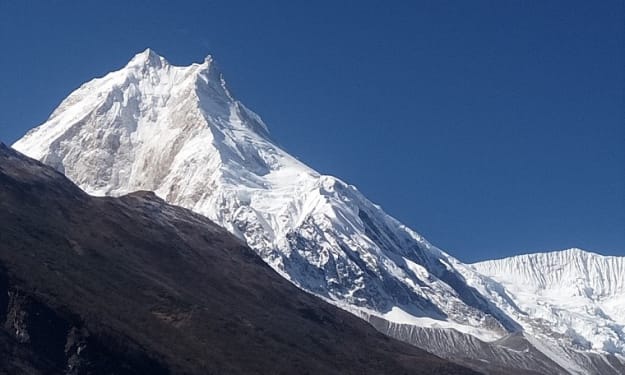
Manaslu Circuit Trek: Overview Manaslu Circuit Trek is surrounded by mount Manaslu that has an altitude of 8163 meters.It starts from Soti Khola/Machhakhola(930m) that goes up in altitude to result in finishing at Dharapani. You will take either jeep or bus from Kathmandu to Machhakhola. Actually, it takes 7-8 hours to get Machhakhola from Kathmandu.
By Haven Holidays7 months ago in Wander
Required Permits for Everest Base Camp Trek
Required Permits for Everest Base Camp Trek For the Everest Base Camp Trek, you have to have three main permits that you should possess. First, you need the TIMS (Trekkers' Information Management System) card. The card is employed to keep trekkers under observation by government officials for safety concerns. Secondly, you should possess the Sagarmatha National Park Permit. This permit allows you access to the conserved park area, where Mount Everest rises to a height of 8,848 meters. Thirdly, you need to buy Khumbu Local Area Entry Permit as well.
By Haven Holidays7 months ago in Journal
Accommodation Facility on Poon Hill Trek
Poon Hill Trek: Overview Poon Hill Trek is one of Nepal's most popular short treks. Actually, Poon Hill Trek is also known as Ghorepani Poon hill Trek. The trek offers stunning views of Annapurna (8,091m) and Dhaulagiri (8,167m), two of the highest mountains in the world. The trek starts at Nayapul (1,070m) and proceeds along through beautiful villages like Tikhedhunga (1,540m), Ulleri, and Ghorepani (2,860m). Also, the Poon Hill Trek begins with a jeep ride from Pokhara to Ulleri/ Banthanti. As the trail ascends steadily but continuously, it is suitable for beginners and children. The trek further passes through thick rhododendron forests and terracing fields. Trekkers here can see varied birds and animals at sight.
By Haven Holidays7 months ago in Journal
Hot Shower and Laundry on Langtang Valley Trek
Langtang Valley Trek: Overview Langtang Valley Trek is located towards the north of Kathmandu, in Nepal. Actually, the trek starts from Syabrubesi village, which is at an altitude of 1,540 meters. Either the bus or jeep ride from Kathmandu to Syabrubesi will take you there in 7-8 hours. In fact, there are no any domestic flights to connect the trailhead, Sybarubesi from Kathmandu. Therefore, you have to go with drive either bus local bus or jeep.
By Haven Holidays7 months ago in Journal
Hot Shower and Laundry on Poon Hill Trek
Poon Hill Trek: Overview Poon Hill Trek is a short and one of the most famous treks in Nepal. It reaches as high as Poon Hill at 3,210 meters. From here, trekkers can see Annapurna South (7,219m) and Dhaulagiri (8,167m). The trek passes through Ghorepani (2,874m), Tadapani (2,630m), and Ghandruk (2,012m) villages. Trekkers can experience local culture, lifestyle and freshly cooked cuisines during the trek.
By Haven Holidays7 months ago in Journal
Food and Drinks on Poon Hill Trek
The Poon Hill Trek is one of Nepal’s most scenic and accessible trekking routes. Located in the Annapurna region, this short yet rewarding trek is famous for its breathtaking sunrise view over the Himalayan peaks. But beyond the stunning landscapes and cultural charm, another important part of the trekking experience is food and drink. What you eat and drink along the trail fuels your journey, keeps you healthy, and adds a delightful cultural flavor to your adventure.
By Haven Holidays7 months ago in Education
Hot Shower and Laundry on Manaslu Circuit Trek
Hot Shower and Laundry on Manaslu Circuit Trek Manaslu Circuit Trek: Overview The Manaslu Circuit Trek includes the most spectacular view of Mount Manaslu, which is 8,163 meters in height. Actually, the trek begins at Soti Khola/Machhakhola, 710/910 meters in elevation. You will drive to Machhakhola from Kathmandu by bus or jeep. It takes 7-8 hours to get Machhakhola from Kathmandu. The trek ends at Dharapani, 1,963 meters in elevation. Moreover, the trek goes over Larkya La Pass, 5,160 meters, the highest point on the Manaslu Trekking trek.
By Haven Holidays7 months ago in Education
Annapurna Base Camp Trek Permits
Annapurna Base Camp Trek: Overview Annapurna Base Camp (ABC) Trek offers a scenic Himalayan experience. Actually, the Annapurna Base Camp is at an altitude of 4,130 meters. The ABC trek begins from Nayapul or Jhinu Danda, near Pokhara. The trek passes through the villages of Ghandruk, Chhomrong, and Deurali. Likewise, trekkers move along green forest cover and stone-paved roads. Moreover, you also receive glimpses of Machapuchare (6,993m) and Hiunchuli (6,441m). Actually, Annapurna I (8,091m) is above the skyline at the base camp.
By Haven Holidays7 months ago in Journal