Galina J. Libby
Bio
Stories (1)
Filter by community
Causes and care of shoulder joint instability
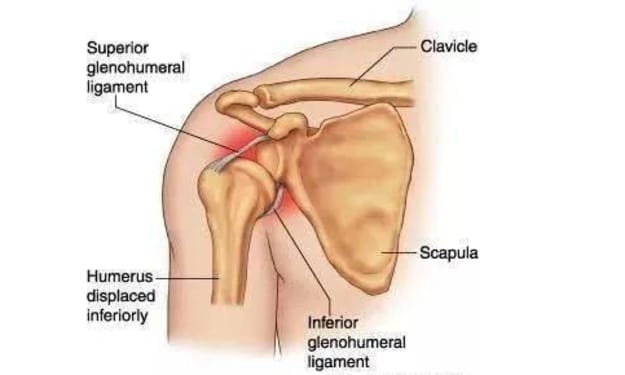
Due to the failure of the dynamic or static stabilization mechanism to maintain the balance of the glenohumeral joint, the humeral head cannot be maintained in the center of the glenoid, and excessive movement occurs. Including unstable front, unstable rear and multi-directional instability. The shoulder joint consists of the head of the humerus and the scapular glenoid. At any time, only 1/4 of the humeral head forms a joint with the joint. This small and flat glenoid does not provide inherent stability to the humeral head as the acetabulum to the hip joint. Due to the presence of the glenoid labrum, the glenoid is deepened by 50%. The end point of the long head of the biceps brachii tendon is one of the essential components of the glenoid labrum. It stops at the upper end of the joint and gradually merges with the posterior glenoid. The joint lip can be used as a "blocking mold" to prevent the excessive backward rolling of the pus bone. The shoulder joint capsule is loose and weak, and by itself only provides little resistance or stability. The front of the joint capsule is strengthened by the thickened parts or ligaments of the three joint capsules, and these structures are closely integrated with the labrum surrounding the glenoid. Another factor that maintains the stability of the shoulder joint is the action of the ligaments and muscles around the joint. If the stabilization mechanism of the shoulder joint fails, the relative stability of the joint can be destroyed and the shoulder joint may be unstable.
By Galina J. Libby5 years ago in Longevity