Fiaz Ahmed
Bio
I am Fiaz Ahmed. I am a passionate writer. I love covering trending topics and breaking news. With a sharp eye for what’s happening around the world, and crafts timely and engaging stories that keep readers informed and updated.
Stories (1558)
Filter by community
UAE Court Orders Global Search Engine to Remove Offensive Video. AI-Generated.
In a landmark ruling that could reshape digital accountability and online privacy in the United Arab Emirates, a UAE court has ordered a major international search engine to remove an offensive video from its search results — establishing an important precedent for how global tech companies must comply with local judicial decisions. The case highlights the growing importance of digital dignity and the enforcement of online content regulation in the Emirates. Background of the Case The legal battle began when a video containing offensive material targeting a woman living in the UAE was posted on a global online platform. Despite local authorities prosecuting the individual responsible under existing cybercrime and digital content laws, the video remained accessible online, continuing to cause reputational harm. When the woman requested the removal of the content from public view, the international search engine failed to respond, prompting her to take legal action. In hearings at both the court of first instance and on appeal, judges considered whether the global technology company — which operates locally through a registered UAE entity — could be held responsible for content discoverable via its service. The company argued that it did not directly control the platform hosting the video and therefore should not be obliged to take action. Court Ruling and Legal Implications UAE judges ultimately ruled in favor of the plaintiff, concluding that local subsidiaries or legal entities of global tech firms are obligated to comply with judicial rulings, even if the company’s servers or management are located overseas. The court ordered the offensive content to be removed from search results accessible in the UAE. The ruling was upheld on appeal, after which the search engine complied and removed the video. Legal experts say the decision reflects a broader effort by UAE authorities to hold technology platforms accountable for the spread and persistence of harmful content online. The ruling reinforces that digital platforms with legal presence in the UAE cannot sidestep local court orders simply by pointing to operational structures abroad. One prominent digital law researcher described the decision as part of an expanding focus on the “right to digital forgetting” — a concept that allows individuals to petition for the removal of outdated, irrelevant, or privacy‑violating content that continues to harm their reputation online. Such legal frameworks seek to balance freedom of expression with protections for personal dignity and privacy in the digital age. Context: UAE Digital Laws and Enforcement The ruling comes amid heightened regulatory scrutiny of online content in the UAE. Authorities have recently warned residents and social media users against sharing unverified information, rumors, or misleading material, stressing that such conduct can be legally punishable if it threatens public security or social stability. The Federal Decree‑Law on Countering Rumors and Cybercrimes criminalizes the dissemination of harmful digital content and imposes penalties ranging from fines to imprisonment. The judiciary has also pursued defamation and privacy cases in other contexts. For example, influencers and social media users have faced fines, sanctions, and orders to delete defamatory content under UAE law, reflecting the broad application of online content regulations. Digital rights advocates note that UAE authorities place strong emphasis on content that threatens national stability or infringes on individual dignity. While freedom of expression remains protected within certain bounds, laws governing online behavior can be strict compared with many Western jurisdictions. Critics argue that this may have a chilling effect on online discourse, though supporters maintain such measures are necessary to maintain social harmony and protect individuals from harm. Impact on Global Tech Platforms The ruling signals to international technology companies that local legal presence in the UAE comes with legal responsibilities. Firms operating in the country through subsidiaries, offices, or registered entities must be prepared to respond to judicial orders — even those that involve content hosted beyond national borders. Compliance with such orders could increasingly become a condition of doing business in the region’s rapidly growing digital market. Experts say the decision may prompt other countries with strict online content laws to issue similar orders targeting global platforms. If more courts adopt comparable interpretations of digital accountability, search engines and social platforms might face a complex patchwork of legal obligations requiring greater resources for localized compliance. Conclusion The UAE court’s decision to compel a global search engine to remove an offensive video represents a defining moment in digital jurisprudence within the Emirates. It underscores the evolving landscape of online regulation, personal dignity protections, and corporate responsibility in the age of ubiquitous digital platforms. As governments around the world grapple with how best to balance free speech and harmful content, the UAE’s landmark ruling may influence broader debates on content moderation, privacy rights, and the obligations of international technology companies operating in diverse legal environments.
By Fiaz Ahmed 12 days ago in The Swamp
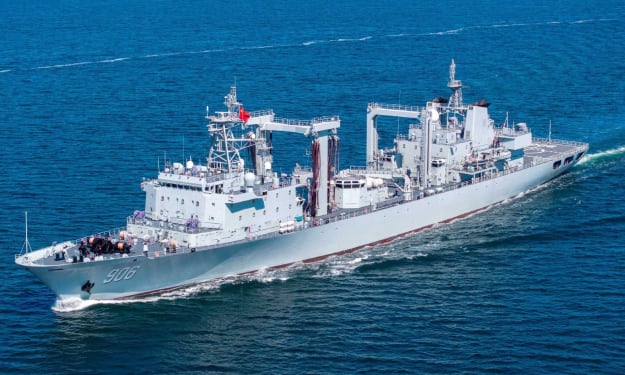
Chinese Navy Inducts Additional Type 903 Fleet Replenishment Ships. AI-Generated.
The People's Liberation Army Navy (PLAN) has officially inducted two more Type 903 fleet replenishment ships into service, marking a significant enhancement of China’s underway replenishment capabilities. The new vessels, designed to extend the reach and sustainability of PLAN task groups at sea, reflect Beijing’s ongoing efforts to modernize its naval logistics and support infrastructure in line with its expanding blue‑water aspirations. Type 903 replenishment ships — officially designated the Fuchi class — are a critical component of modern naval operations. Unlike traditional supply ships limited to port resupply, these vessels are capable of underway replenishment (UNREP), providing fuel, food, ammunition, spare parts, and other essentials to warships while both are underway. This capability enables naval task forces to remain operational far from home ports for extended periods without returning to port for resupply. The two latest additions, commissioned after rigorous sea trials and outfitting, join a growing fleet of Type 903s already serving with PLAN. The class has been continually upgraded since its introduction in the early 2000s, with enhancements to cargo handling, automation, and replenishment rigs to support coordinated supply operations with destroyers, frigates, and submarines. These improvements reflect a global trend toward logistics ships capable of integrating with advanced combat fleets in contested environments. Chinese naval analysts argue that the expanded replenishment fleet will bolster PLAN’s ability to conduct sustained missions across distant theatres. In recent years, China has increased its naval presence beyond regional waters, deploying task groups to the Gulf of Aden for anti‑piracy operations, participating in multinational exercises, and conducting port calls as far as Europe and Africa. The ability to maintain a forward naval presence depends heavily on replenishment ships like the Type 903. Strategic observers note that the enhanced logistics capacity also supports China’s evolving maritime strategy. As the PLAN transitions from a primarily coastal defense force to a more expeditionary blue‑water navy, reliable logistics become indispensable. Replenishment ships not only keep combatants supplied but also act as force multipliers by allowing carrier strike groups, amphibious assault vessels, and surface combatants to remain at sea for longer durations. In addition to fuel and supplies, modern Type 903 vessels are equipped with medical facilities and can support humanitarian assistance and disaster relief (HADR) operations. During previous deployments, Chinese replenishment ships have played roles in delivering aid following natural disasters and in supporting evacuation efforts for Chinese nationals in crisis zones. Such missions underscore the dual‑use nature of logistics vessels in both military and civilian contexts. Experts believe that the PLAN’s expanding fleet of Type 903s will complement China’s future naval infrastructure, including potential overseas support bases. While China maintains a formal logistics hub in Djibouti, additional forward support facilities would further enhance the PLAN’s global reach. Replenishment ships bridge gaps when overseas basing is limited or unavailable, allowing naval groups to sustain operations without relying solely on fixed installations. The induction of these ships also conveys a message about China’s industrial and technological capabilities. Building complex, ocean‑going logistics vessels requires advanced shipbuilding infrastructure, sophisticated engineering, and integrated supply systems. Shipyards along the Chinese coast have now demonstrated an ability to produce these vessels at scale, supporting not only the PLAN but also commercial shipbuilding demand. International reactions to China’s naval expansion have been mixed. Some observers view the strengthening of logistics capabilities as a natural evolution of a growing naval power. Others express concern about the implications for regional security dynamics, particularly in areas where China’s maritime interests intersect with those of rival powers or contested territorial claims. The debate often centers on whether increased logistical support signifies a shift toward power projection versus defensive posturing. Regardless of interpretation, the operational impact is clear: replenishment ships enhance fleet endurance. In naval parlance, logisticians say that “amateurs talk tactics; professionals talk logistics.” This adage underscores the importance of supply chains and support vessels — assets that rarely make headlines but are indispensable to sustained naval operations. As the PLAN incorporates these additional Type 903 ships into its order of battle, training and integration with existing formations will likely follow. Joint exercises, underway replenishment drills, and interoperability tests will ensure that the vessels can operate seamlessly with China’s surface combatants and submarines. In summary, the induction of additional Type 903 fleet replenishment ships represents a strategic investment in naval logistics by the People’s Liberation Army Navy. These vessels will enhance China’s ability to sustain maritime operations far from its shores, support humanitarian missions, and project influence in distant waters. As naval competition continues in the Indo‑Pacific and beyond, logistics ships like the Type 903 will play a vital role in shaping how maritime power is exercised.
By Fiaz Ahmed 12 days ago in The Swamp
Kevin O’Leary debuts $20 million Kobe Bryant card necklace at 2026 SAG Awards. AI-Generated.
Finance personality Kevin O’Leary turned heads on the red carpet at the 2026 Screen Actors Guild (SAG) Awards this weekend — not for a fashion statement from a luxury brand or couture gown, but for a dazzling piece of sports memorabilia worn as jewelry. O’Leary unveiled what he described as a “statement of legacy and investment” — an estimated $20 million Kobe Bryant card necklace that instantly became one of the most talked‑about accessories of the night. The necklace features a rare and highly coveted trading card encapsulated in a custom diamond and gold setting, suspended from a thick gold chain. The card itself is a PSA‑graded 10 — the highest mint condition — featuring NBA legend Kobe Bryant during his early career with the Los Angeles Lakers. Collectors and enthusiasts have long considered this card among the most prized artifacts in basketball memorabilia, with individual sales in recent years commanding record auction prices. O’Leary, known for his brash investment commentary on shows like Shark Tank and his focus on alternative assets, has been vocal about the growing market for sports collectibles. He has argued publicly that rare cards and memorabilia represent a new frontier for serious investors, blending cultural value with tangible scarcity. His decision to wear the Kobe Bryant card as a necklace sparked a flurry of reactions — from financial analysts intrigued by his bold move to sports fans debating the intersection of fashion, fandom, and investment. Speaking to reporters on the red carpet, O’Leary explained his choice: “This isn’t just jewelry — it’s a symbol of how value has shifted in the modern economy. Kobe Bryant’s legacy transcends sports, and this card encapsulates that legacy. By presenting it as something wearable, I hope to challenge perceptions of what constitutes a ‘portfolio.’” He also hinted that the piece might be loaned for exhibition displays or philanthropic events related to youth sports and basketball heritage. The unveiling at the SAG Awards — a high‑profile entertainment event that honors acting talent — was an unexpected cultural crossover, blending sports history with Hollywood glamour. While award shows have seen celebrity musicians and actors display expensive pieces of jewelry and luxury watches, a $20 million collectible card fashioned into a necklace was unprecedented. Social media lit up almost instantly, with trending hashtags and photo posts tagging O’Leary’s bold accessory. Collectors weighed in with mixed reactions. Some praised O’Leary for bringing attention to the high end of the memorabilia market, pointing to multimillion‑dollar transactions at auctions for iconic cards like the 1952 Topps Mickey Mantle or early Michael Jordan rookie cards. Others expressed concern that turning rare artifacts into wearable art could risk damage or diminish their historical context. Professional memorabilia graders and auction house representatives noted that protective encapsulation and security measures are critical for preserving the condition and value of such rare items. O’Leary addressed these concerns, noting that the card remains sealed in a protective case and that the necklace design allows for secure removal and safekeeping when not worn. He also stressed that his intention was to celebrate Bryant’s impact, not to commodify his legacy disrespectfully. Fans of Kobe Bryant, whose basketball career and postplaying philanthropic work have left a lasting impression globally, sent mixed but passionate messages. Some applauded the tribute, saying it reflects Bryant’s pervasive cultural influence. Others felt that the emotional weight of Bryant’s legacy should be preserved in more traditional forms — museums, charities, or youth‑focused programs rather than fashion statements. Art and culture commentators pointed out that the moment reflects broader trends in the fusion of pop culture, finance, and personal branding. Modern collectibles, whether digital NFTs or physical artifacts, have become mainstream topics of conversation, not just niche corners of hobbyist communities. By showcasing a multimillion‑dollar card in such a public forum, O’Leary invited discussion about how society values athletes, art, and cultural icons in the digital age. As the SAG Awards ceremony continued, headlines about O’Leary’s necklace dominated entertainment and financial news outlets, suggesting that his bold gesture had succeeded in capturing public attention. Whether praised or critiqued, the moment sparked debate about the evolving norms of collectibles, investment, and celebrity culture. In the end, Kevin O’Leary’s Kobe Bryant card necklace did more than glitter on the red carpet — it became a pointed cultural statement. It underscored how collectibles have risen from dusty binders to multimillion‑dollar assets, and how figures at the intersection of finance and pop culture are shaping conversations about value, legacy, and the meaning of iconic memorabilia in the 21st century.
By Fiaz Ahmed 12 days ago in Geeks
Lufthansa Airbus A380 Becomes Most Tracked Flight in the World as First Departure From Abu Dhabi Following Airspace Closure. AI-Generated.
In the midst of ongoing turmoil in the Middle East that has dramatically disrupted global aviation, a Lufthansa Airbus A380 superjumbo has become the most tracked flight in the world after taking off from Abu Dhabi — marking the first departure from the emirate since widespread airspace closures paralyzed commercial aviation across the region. The aircraft’s unusual distinction stems from extraordinary circumstances: with much of the Gulf’s airspace shut or heavily restricted amid military conflict and safety concerns, aviation tracking platforms reported unprecedented attention from aviation enthusiasts and passengers alike as the A380 climbed out of Abu Dhabi’s skies. Flight trackers logged tens of thousands of simultaneous views of the aircraft’s transponder data, making it the most tracked flight globally in real‑time. Airspace Chaos and the First Takeoff The departure unfolded against the backdrop of one of the most severe aviation disruptions seen in decades. Following escalating regional tensions and military action involving United States and Israel operations against Iran, aviation authorities across the Gulf — including Iran, Kuwait, Qatar, Bahrain, and large parts of the United Arab Emirates — issued emergency Notices to Airmen (NOTAMs) closing or severely restricting airspace due to safety concerns. Major hubs such as Dubai International Airport and Abu Dhabi International Airport were among the hardest hit. Regional carriers including Etihad Airways, Emirates, and others suspended operations as a precautionary measure, leaving thousands of passengers stranded and grounding hundreds of flights. Despite these closures, special permissions were reportedly granted for select repositioning and evacuation flights to move aircraft and crews safely back to their home bases. The Lufthansa A380 departure was one such flight, executed under strict aviation safety protocols and arguably as part of a limited reinstatement of essential flights from Abu Dhabi’s airfield. Why It Became the Most Tracked Flight Under ordinary circumstances, an A380 departure would be notable for aviation fans but far from the most tracked flight globally. However, the unique situation in the Middle East — with most commercial routes suspended and millions of passengers and aviation observers glued to flight‑tracking websites — propelled this specific aircraft to the top of global tracking charts. Websites such as Flightradar24 and other flight‑monitoring platforms allow users worldwide to follow aircraft in real time via transponder data. The rarity of any large aircraft moving through the closed Gulf airspace, combined with heightened public and media interest in aviation developments during the crisis, drove record numbers of people to track the Lufthansa A380 as it climbed and vanished from the region’s constrained air In many cases, the aircraft was listed by trackers as a unique or “N/A” flight — a placeholder indicating limited public data due to airspace restrictions — which fueled curiosity and increased attention from users. This feedback loop of tracking activity made the flight one of the most‑viewed on global flight‑monitoring platforms. Broader Aviation Impact The A380’s tracking milestone illustrates just how deeply the Middle East crisis has impacted global aviation. With key air routes across the region closed, long‑haul airlines have been forced to reroute flights around the Gulf or suspend them entirely, significantly lengthening travel times and straining airline operations. Western carriers, including Lufthansa and others, have temporarily suspended flights to and from the UAE and surrounding states until at least early March, according to official aviation advisories. Even after limited departures resumed, the operation remained cautious and restricted, focusing on repositioning aircraft and assisting evacuation efforts for stranded passengers and crews. Reports indicate that some flights resumed to key cities like London and Munich, often with minimal crew onboard due to operational constraints. Public and Industry Reactions Travelers, aviation professionals, and flight‑tracking enthusiasts alike have reacted with curiosity and concern. For many on social media and tracking forums, the stark contrast between routine A380 operations in normal times and this extraordinary, almost symbolic departure underscores how geopolitical events can ripple through civilian domains like international travel. Aviation analysts point out that such disruptions highlight the vulnerabilities of global flight networks to geopolitical instability. Even carriers with large fleets and extensive international reach — like Lufthansa — must adapt to sudden airspace closures, route disruptions, and heightened risk environments. Looking Ahead While the Middle East situation remains fluid, the tracked A380 departure serves as both a hopeful sign of controlled resumption and a reminder of ongoing uncertainty in the global skies. As airspace authorities and airlines continue to assess safety, departures from impacted hubs may slowly increase — but each flight through the region will likely remain under heightened scrutiny by both the industry and the flying public.
By Fiaz Ahmed 12 days ago in The Swamp
Middle East crisis live: Israel launches new attacks on ‘heart of Tehran’; US fighter planes mistakenly shot down in Kuwait. AI-Generated.
The Middle East is engulfed in a rapidly escalating conflict as joint Israel and United States military operations against Iran have expanded across the region, drawing in Gulf states and triggering chaotic engagements that include a rare friendly‑fire incident involving U.S. jets in Kuwait. The conflict, which began with large‑scale combined strikes on Iran’s military infrastructure and government targets, has entered a third day of intense violence. The Israeli Defense Forces (IDF) and U.S. forces have reportedly launched fresh attacks deep into Tehran, with explosions reported in multiple districts of the Iranian capital and Iran vowing to retaliate “regardless of the cost.” Israeli‑U.S. Strikes Deep in Tehran Israeli military sources said their air force carried out “broad wave” airstrikes targeting key strategic positions in the “heart of Tehran,” intensifying a campaign that began with a coordinated offensive involving hundreds of aircraft and missile launches. The joint operation aims at degrading Iran’s air defenses and military command structures after initial strikes reportedly killed high‑ranking officials. The strikes have been followed by repeated explosions across Tehran, underscoring the scale of the operation. While independent verification remains limited due to restricted access, multiple reports indicate that central districts of the capital have been rocked by heavy bombardment. Iran’s Regional Retaliation In response to the offensive, Iran has unleashed successive waves of missile and drone attacks aimed at Israeli territory, U.S. bases, and allied Gulf states. Explosions have been reported not only in Israel but also in other countries hosting American military assets, including Bahrain, Qatar, the United Arab Emirates, and Kuwait itself. The Iranian Islamic Revolutionary Guard Corps (IRGC) has described its actions as a legitimate defense against what it calls an aggressive campaign, asserting that all U.S. and Israeli targets across the region are legitimate military objectives and vowing to continue operations until its stated goals are met. Friendly‑Fire Incident in Kuwait Amid the swirl of attacks, a grave and unusual incident occurred in Kuwait when its air defense forces mistakenly shot down three U.S. fighter jets. According to United States Central Command, the aircraft—identified as F‑15E Strike Eagles—were downed when Kuwaiti defenses misidentified them as hostile while they were supporting coalition operations. All six aircrew ejected safely and were recovered in stable condition. Kuwaiti authorities have acknowledged the friendly‑fire mistake and are cooperating with U.S. military investigators to review procedures and prevent future errors. The incident, though non‑fatal, illustrates the confusion and heightened alertness sweeping across allied forces as the regional crisis unfolds. Regional Impacts and Civilian Consequences The conflict’s spillover has affected civilian populations and infrastructure beyond battlefields. Major cities across the Gulf region have reported explosions and air defense activations as Iranian missiles and drones targeted facilities and bases. Flights in and out of key hubs such as Dubai and Doha have been suspended due to airspace closures and safety concerns. Global markets have reacted sharply as well, with oil prices surging amid fears of broader disruption to energy exports through key transit routes like the Strait of Hormuz. Concerns over the safety of shipping lines and regional economic stability have sent shockwaves through international financial markets. Meanwhile, international leaders have urged restraint and called for diplomatic engagement to prevent further escalation. The United Nations, along with major powers worldwide, has expressed deep concern about the widening conflict and the risk of a broader regional war. Looking Ahead As fighting continues with no immediate sign of de‑escalation, military analysts warn that the dynamics of the conflict could evolve rapidly, with regional actors and global powers closely monitoring developments. The friendly‑fire episode in Kuwait highlights the risk of miscalculation amidst complex multinational operations, while repeated strikes in Tehran underscore the intensity of the U.S.–Israel campaign. For civilians across the Middle East, the escalation has brought renewed fear and disruption to daily life. Emergency services in multiple countries are on high alert, warning residents to seek shelter and stay informed amid intermittent missile alerts and explosions. The conflict’s trajectory remains uncertain, with world leaders pushing for urgent talks even as military actions continue unabated. As the crisis enters another critical phase, the international community watches anxiously, hopeful that diplomatic channels can avert a larger conflagration.
By Fiaz Ahmed 12 days ago in The Swamp
Met Office Forecasts Dry Weather for Sindh. AI-Generated.
The Pakistan Meteorological Department has issued a forecast indicating that Sindh province is expected to experience a prolonged period of dry weather over the coming weeks. Meteorologists say the region will see little to no rainfall, with temperatures remaining above seasonal averages, raising concerns about agriculture, water resources, and public health. According to the Met Office, a high-pressure system over the Arabian Sea and the Indian subcontinent is likely to dominate weather patterns in Sindh for the next fortnight. This atmospheric configuration inhibits cloud formation, leading to clear skies and minimal precipitation. Forecasts predict daytime temperatures in major cities, including Karachi and Hyderabad, to hover between 28°C and 34°C, slightly above the long-term average for this period. Nighttime temperatures are expected to remain mild, ranging from 18°C to 22°C. The dry spell comes at a critical time for the agricultural sector. Sindh is a major contributor to Pakistan’s wheat, sugarcane, and rice production. Farmers are being advised to monitor soil moisture levels carefully and consider supplemental irrigation for crops at sensitive growth stages. Prolonged dry conditions can affect germination, yield, and quality, particularly for wheat crops that rely on moderate rainfall in the final stages before harvest. Water resource management is also expected to become a key challenge. Reservoirs and canals in Sindh, which depend on upstream flows from the Indus River system, are already operating at variable levels due to reduced inflows and increased water demand. Local authorities are monitoring water distribution closely, emphasizing conservation measures and urging residents to avoid excessive usage. In some districts, water rationing plans may be activated if the dry period persists. Public health officials have cautioned about potential heat-related risks. Although the current temperatures are not extreme, prolonged dry conditions can exacerbate health issues, particularly for vulnerable populations such as the elderly, children, and people with preexisting medical conditions. Heat stress, dehydration, and respiratory issues may become more common if residents do not take appropriate precautions. Health authorities recommend staying hydrated, avoiding prolonged exposure to the sun during peak hours, and ensuring access to cool environments. The Met Office also noted that dust storms and haze could occur in some areas due to the dry conditions combined with occasional strong winds. These phenomena can reduce visibility and impact road traffic, aviation, and outdoor activities. Residents are advised to take safety precautions, particularly when traveling, and to follow local advisories regarding dust and air quality. Economists have warned that the dry spell could have indirect effects on local markets. Reduced crop output may drive up food prices, especially for wheat, rice, and vegetables, affecting household budgets and contributing to inflationary pressures. Traders and suppliers are being advised to monitor market conditions and plan accordingly to avoid shortages or sudden price hikes. Despite the dry weather, meteorologists have noted that this pattern is part of a natural seasonal variation. Sindh typically experiences dry periods during the pre-monsoon and post-winter seasons, and occasional heat waves are not unusual. However, experts also emphasize that climate change may be altering rainfall patterns, leading to longer dry spells and more unpredictable weather events. Continuous monitoring and early warning systems are essential to mitigate risks to agriculture, water supplies, and public health. Authorities in Sindh have urged residents and local businesses to remain vigilant. Farmers should adopt efficient irrigation practices, municipal agencies should ensure water distribution networks function effectively, and the public should take measures to protect health and safety. Collaboration between government departments, meteorological agencies, and the community will be crucial in managing the impacts of this dry period. Looking ahead, the Met Office expects the dry spell to continue into late March, with little relief from rainfall until the onset of the pre-monsoon showers. While temperatures are likely to remain moderate, the persistence of dry weather underscores the need for careful planning and resource management in Sindh. Residents are encouraged to stay updated with official forecasts and advisories to minimize the effects of prolonged dry conditions on daily life and livelihoods.
By Fiaz Ahmed 12 days ago in Longevity
Mark Carney Meets Narendra Modi in Historic Trip to Reset Ties with India. AI-Generated.
In a significant move aimed at strengthening economic and financial relations, former Bank of England governor Mark Carney recently met with Indian Prime Minister Narendra Modi in New Delhi. The meeting, described by officials as historic, comes amid efforts to deepen cooperation between India and the international financial community, promote sustainable investment, and explore opportunities for economic collaboration on a global scale. Carney, who served as governor of the Bank of England from 2013 to 2020 and as governor of the Bank of Canada before that, has long been an advocate for climate-conscious financial policies and global economic stability. His visit to India marks one of the most high-profile interactions between the former central banker and the Indian leadership, reflecting both Carney’s influence in international finance and India’s growing role on the global economic stage. The discussions reportedly focused on several key areas. Among them were sustainable finance initiatives, investment in green energy, and strengthening India’s financial markets to attract international capital. Carney has previously emphasized the importance of integrating climate risks into financial planning, and Indian officials expressed interest in leveraging his expertise to expand India’s green bond market and other environmentally-focused investment instruments. During the meeting, Prime Minister Modi highlighted India’s economic achievements over the past decade, noting its sustained growth, rising manufacturing capacity, and expanding digital economy. Modi underscored the government’s commitment to financial reforms, transparent regulatory frameworks, and policies aimed at attracting foreign investment. Carney reportedly commended India’s efforts while providing insights into global trends that could impact emerging markets. Observers note that Carney’s visit comes at a pivotal moment. India is seeking to consolidate its position as a major global economic player, while international investors are increasingly attentive to opportunities in Asia’s fastest-growing economies. By engaging directly with Modi and senior financial officials, Carney’s visit signals confidence in India’s economic direction and reinforces the potential for collaboration on long-term investment projects. A significant portion of the conversation reportedly revolved around sustainable and responsible investment. Carney has been a leading voice in promoting the integration of climate considerations into corporate and national financial strategies. India, facing both environmental challenges and energy demands, has prioritized renewable energy expansion and carbon reduction initiatives. Officials said that the dialogue explored ways to accelerate financing for green projects, encourage private-sector participation, and improve the transparency of environmental reporting standards. Trade and financial market cooperation were also on the agenda. Carney emphasized the importance of efficient, robust, and globally integrated financial systems. India has been reforming its financial sector, with steps aimed at improving banking stability, fostering capital market depth, and creating frameworks conducive to foreign investment. The discussions reportedly included mechanisms to streamline cross-border capital flows, strengthen regulatory alignment, and enhance investor confidence. In addition to formal discussions, Carney met with representatives from India’s private banking and investment sectors. These sessions focused on identifying mutual opportunities for innovation, fintech expansion, and strategic partnerships in emerging markets. Industry insiders noted that Carney’s reputation and global connections could open doors for Indian firms seeking to expand internationally while encouraging foreign firms to invest in India. Analysts say the visit is emblematic of India’s growing engagement with global economic thought leaders. By hosting a figure of Carney’s stature, India signals its willingness to adopt international best practices, embrace financial innovation, and align with global standards, particularly in sustainable finance and climate-related risk assessment. The meeting concluded with both sides emphasizing the importance of ongoing dialogue and cooperation. While no immediate policy changes were announced, the discussions are expected to shape future collaborations in finance, investment, and sustainable economic development. The visit reinforces India’s aspirations to be a key partner in shaping global financial trends and underlines Carney’s role as an influential bridge between developed and emerging markets. In conclusion, Mark Carney’s visit to India and his meeting with Prime Minister Narendra Modi represents a milestone in international economic engagement. By focusing on sustainable finance, investment opportunities, and financial market reform, the discussions laid the groundwork for deeper cooperation. As India continues its journey as a rising global economic power, collaborations of this nature are likely to play a crucial role in shaping its long-term financial and environmental strategies.
By Fiaz Ahmed 12 days ago in The Swamp
Three in Four Women Unaware Menopause Can Trigger New Mental Illness, Poll Finds. AI-Generated.
A new poll has revealed a striking gap in public understanding of menopause and mental health, with nearly three in four women unaware that the hormonal transition can trigger the onset of new mental illnesses. The findings highlight a growing concern among health experts that psychological symptoms linked to menopause are being underestimated, misdiagnosed, or ignored altogether. Menopause is commonly associated with physical symptoms such as hot flashes, night sweats, and sleep disruption. However, medical professionals stress that the hormonal changes occurring during perimenopause and menopause can also have a profound impact on the brain. Fluctuating estrogen levels influence neurotransmitters like serotonin and dopamine, which regulate mood and emotional stability. For some women, this can result in anxiety, depression, panic disorders, or even more severe psychiatric conditions emerging for the first time in midlife. According to the poll, a majority of respondents believed menopause only worsens existing mental health issues rather than creating new ones. This misconception is worrying, experts say, because it delays diagnosis and treatment. Women experiencing sudden mood swings, intrusive thoughts, or prolonged low mood may not associate these symptoms with menopause and instead blame stress, work pressure, or family responsibilities. Mental health specialists report an increase in middle-aged women seeking help for symptoms that began during perimenopause. Many describe feeling unlike themselves for the first time in their lives, experiencing unexplained anxiety, emotional numbness, or depressive episodes. In some cases, women who had never previously struggled with mental illness suddenly find themselves needing therapy or medication. The stigma surrounding both menopause and mental illness adds another layer of difficulty. Many women hesitate to discuss emotional changes openly, fearing they will be dismissed as “overreacting” or told it is simply part of aging. As a result, they may suffer in silence for months or even years before seeking professional support. Healthcare providers also face challenges. General practitioners are often trained to focus on physical menopausal symptoms, while mental health symptoms may be treated separately without considering hormonal causes. This fragmented approach can lead to misdiagnosis. A woman might be prescribed antidepressants without being offered hormone therapy, or vice versa, even though a combined treatment plan could be more effective. Campaigners argue that menopause education needs urgent reform. Schools, workplaces, and healthcare systems should treat menopause as both a physical and psychological transition. Employers are also being encouraged to recognize menopause-related mental health struggles, especially as more women remain in the workforce into their 50s and 60s. Reduced concentration, fatigue, and emotional distress can significantly affect job performance if left unsupported. The poll also revealed generational differences in awareness. Younger women were slightly more informed about menopause and mental health than older respondents, suggesting that social media and online health campaigns are beginning to shift perceptions. However, experts warn that online information can be inconsistent and sometimes misleading, reinforcing the need for reliable public health guidance. Treatment options are available, and outcomes can be positive when menopause-related mental illness is identified early. Hormone replacement therapy (HRT), talking therapies, lifestyle changes, and in some cases medication can work together to stabilize mood and improve quality of life. Regular exercise, better sleep habits, and stress management are also known to ease symptoms. Ultimately, specialists say the findings should serve as a wake-up call. Menopause is not just a physical milestone but a complex biological transition that can reshape mental wellbeing. Recognizing this reality could prevent unnecessary suffering and help women access the care they need sooner. As awareness grows, advocates hope conversations around menopause will become more open and medically informed. Understanding that new mental health conditions can emerge during this stage of life is a crucial step toward removing stigma and ensuring that women are supported through every aspect of this significant change.
By Fiaz Ahmed 12 days ago in Longevity
Admission of Weakness by the World’s Most Powerful Navy? The U.S. Navy Scales Back Ambitions for Its Future Amphibious Armada. AI-Generated.
The United States Navy has long been regarded as the most powerful maritime force in history, projecting strength across every ocean and maintaining a global presence unmatched by any rival. Yet recent decisions to scale back plans for its future amphibious fleet have sparked debate among defense analysts: is this a pragmatic adjustment to new realities, or an admission that even the world’s strongest navy is facing limits to its ambitions? For years, the U.S. Navy and Marine Corps envisioned a large and modern amphibious armada capable of deploying Marines rapidly across contested regions. These ships—designed to transport troops, vehicles, and aircraft—are essential for operations ranging from humanitarian relief to high-intensity conflict. However, rising costs, shipyard delays, and shifting strategic priorities have forced planners to reconsider how many such vessels the fleet truly needs and what role they should play in future wars. At the heart of the shift is a changing view of warfare. Traditional amphibious assaults, once a central pillar of U.S. military doctrine, are increasingly seen as risky in an era dominated by long-range missiles, drones, and advanced surveillance systems. Potential adversaries can now detect and target large ships far from shore, making massive beach landings far more dangerous than in past conflicts. As a result, military leaders are exploring smaller, more agile platforms that can disperse forces rather than concentrate them in vulnerable formations. Budget pressures have also played a major role. Building and maintaining large amphibious ships is enormously expensive. Each vessel can cost billions of dollars and requires a skilled workforce and long construction timelines. With competing demands from submarine programs, aircraft carriers, and next-generation destroyers, the Navy has had to make difficult choices. Reducing the size of the amphibious fleet allows resources to be redirected toward technologies viewed as more relevant to future conflicts, such as cyber warfare, unmanned systems, and missile defense. The Marine Corps has been particularly affected by the new strategy. Traditionally dependent on amphibious ships for rapid deployment, the Marines are now restructuring around a concept known as “distributed operations.” This approach emphasizes smaller units operating across wide areas, supported by lighter and more flexible naval platforms. While proponents argue this makes forces harder to target and more adaptable, critics worry it could weaken the Marines’ ability to respond to large-scale crises. Supporters of the Navy’s decision say the shift reflects realism rather than weakness. They argue that modern threats demand innovation, not adherence to Cold War-era fleet structures. By investing in fewer but more technologically advanced ships—and pairing them with unmanned vessels and long-range strike capabilities—the Navy aims to maintain dominance without relying on vulnerable, high-profile assets. Still, concerns remain. Amphibious ships play a crucial role not only in war but also in diplomacy and disaster response. They provide visible reassurance to allies and serve as floating bases for humanitarian missions after earthquakes, hurricanes, and tsunamis. Scaling back their numbers could limit America’s ability to respond quickly to crises in distant regions, potentially reducing its global influence. International observers are watching closely. Rivals may interpret the move as a sign that the U.S. is overstretched, while allies could worry about reduced support in times of need. At the same time, some see the changes as part of a broader evolution toward a leaner, more technologically sophisticated navy better suited to 21st-century challenges. Whether this represents an “admission of weakness” depends largely on perspective. The U.S. Navy is not abandoning amphibious warfare altogether; it is redefining it. The goal is to balance traditional power projection with survivability and cost-effectiveness in a world of rapidly advancing military technology. What is clear is that even the world’s most powerful navy must adapt. The decision to scale back its amphibious ambitions reflects a recognition that future conflicts will not look like those of the past. In this sense, the shift may be less about retreat and more about transformation—an effort to ensure that American sea power remains credible in an increasingly complex and contested global environment.
By Fiaz Ahmed 12 days ago in The Swamp
British Military Base in Cyprus Targeted in Suspected Drone Attack. AI-Generated.
A British military base in Cyprus has been targeted in what authorities believe was a suspected drone attack, raising serious concerns about regional security and the vulnerability of strategic installations in the eastern Mediterranean. The incident marks a rare but alarming development involving one of the United Kingdom’s most important overseas military facilities. The base, located within the British Sovereign Base Areas on the island, reportedly detected an unidentified aerial object approaching its perimeter before defensive measures were activated. While no casualties were reported and damage appears to have been limited, the event has triggered an immediate security review and heightened alert levels across British forces stationed in the region. British officials have not publicly confirmed the origin of the drone or whether it was armed, but defense sources described the incident as a “serious security breach attempt.” Investigations are underway to determine who launched the device and whether it was part of a coordinated action linked to broader regional tensions. The eastern Mediterranean has recently seen increased military activity due to instability in the Middle East, making the incident particularly sensitive. The British bases in Cyprus play a vital role in intelligence gathering, air operations, and regional surveillance. They support missions related to counterterrorism, humanitarian relief, and the protection of shipping routes. Because of their proximity to conflict zones in the Middle East, these installations are considered strategically invaluable for the United Kingdom and its allies. Local authorities in Cyprus confirmed that airspace around the area was temporarily restricted following the incident. Residents in nearby communities reported hearing unusual sounds and seeing military helicopters patrolling the skies shortly afterward. While the Cypriot government emphasized that there was no immediate threat to civilians, it acknowledged that the attempted attack highlighted the growing risks posed by drone technology. Security analysts say the suspected drone attack reflects a broader trend in modern warfare. Unmanned aerial systems have become cheaper, more accessible, and increasingly capable of bypassing traditional defenses. Even heavily fortified military installations can be challenged by small, fast-moving drones that are difficult to detect with conventional radar systems. “This is a reminder that the nature of threats has changed,” one defense expert noted. “It no longer takes a missile or aircraft to test a base’s security. A small drone can cause disruption, gather intelligence, or deliver explosives with relatively low cost and high impact.” The timing of the incident has also drawn attention. It comes amid heightened tensions in the Middle East and increased Western military involvement in regional security operations. British forces have been active in monitoring airspace, supporting allies, and ensuring the protection of international shipping routes. Any attempt to target a UK base could be interpreted as a warning signal or an effort to probe defenses. Officials stressed that contingency plans worked as intended and that personnel followed established protocols. The base remains operational, and there has been no disruption to ongoing missions. However, the Ministry of Defence is expected to introduce additional counter-drone measures, including enhanced surveillance systems and electronic jamming equipment. Diplomatic channels are also being engaged. The UK government is reportedly coordinating with Cypriot authorities and allied intelligence services to assess whether the incident was linked to state actors, militant groups, or rogue operators. If evidence points to an organized attack, it could carry serious political consequences and further strain already fragile regional stability. For Cyprus, the event underscores its delicate position as a host to foreign military bases in a volatile neighborhood. While the island has long served as a hub for international security operations, it also faces the risk of becoming entangled in conflicts beyond its borders. As investigations continue, the suspected drone attack serves as a stark illustration of how modern threats are evolving. The episode has reinforced the need for advanced defense systems and close international cooperation to protect critical military infrastructure. In an era when drones can cross borders silently and strike with precision, even long-established bases are no longer immune. The incident in Cyprus is likely to prompt renewed debate over military preparedness, regional security, and the growing challenge posed by unmanned aerial warfare.
By Fiaz Ahmed 12 days ago in The Swamp
Kuwait Shoots Down U.S. Jets in Friendly-Fire Incident, U.S. Central Command Says. AI-Generated.
The chief executive of Rolls-Royce has signaled openness to Germany joining the United Kingdom’s next-generation fighter jet program, a move that could reshape Europe’s defense industrial landscape and strengthen transatlantic collaboration. The comments come amid ongoing discussions about the Tempest program, the UK-led initiative to develop a stealth-capable, sixth-generation combat aircraft intended to replace the Eurofighter Typhoon in the 2030s. Rolls-Royce, responsible for designing and producing the jet’s engines, plays a critical role in the program’s development. The CEO emphasized that greater European participation could bring technical expertise, shared financial responsibility, and stronger interoperability between allied air forces. “We are always open to collaboration with our European partners,” he said, noting that the Tempest program could benefit from additional industrial and technological contributions. Germany, a leading European military power and a key Eurofighter Typhoon partner, has previously focused on its own fighter modernization initiatives. However, rising costs, technological complexity, and the evolving geopolitical environment have sparked renewed interest in multinational cooperation. Defense analysts suggest that Germany’s participation could also help ensure that the Tempest program achieves full-scale production more efficiently while reinforcing Europe’s independent aerospace capabilities. The UK government has made clear that the Tempest program remains a strategic priority. The project is part of the broader Future Combat Air System (FCAS) concept, which envisions a networked approach to air dominance, integrating manned aircraft, unmanned systems, and advanced sensors. Rolls-Royce is responsible not only for propulsion but also for working on adaptive engine technologies that will improve performance, reduce emissions, and enable the aircraft to operate in highly contested environments. Joining the program would allow Germany to leverage Rolls-Royce’s expertise and contribute its own advanced aerospace capabilities, including avionics, stealth technology, and systems integration. Proponents argue that pooling resources across European nations can reduce duplication, accelerate development timelines, and mitigate the financial burden associated with cutting-edge military aviation projects. However, multinational collaboration is not without challenges. Differences in procurement policies, budget cycles, and defense priorities have complicated previous European defense projects. Industrial and political negotiations will be needed to ensure equitable participation and protect national interests. Some observers caution that integrating German firms into the Tempest program may require complex agreements on intellectual property, workshare, and export controls. Despite these hurdles, the strategic rationale is compelling. Europe faces a rapidly evolving security landscape, with renewed military assertiveness from Russia and rising global tensions. A collaborative approach to developing next-generation fighter jets could enhance NATO’s overall air combat capabilities while demonstrating that European nations can maintain technological independence from non-European suppliers. Rolls-Royce’s CEO also highlighted the benefits of collaboration for the domestic aerospace sector. By expanding the pool of partners, the program could create more opportunities for UK suppliers and engineers while fostering international knowledge exchange. This could bolster the UK’s position as a leader in advanced aerospace technologies, ensuring that British industry remains competitive in the global defense market. Defense officials in both the UK and Germany have yet to comment officially on potential collaboration, but the announcement from Rolls-Royce underscores the growing interest in multinational approaches to complex defense projects. Analysts expect that discussions between governments and defense contractors will intensify in the coming months, particularly as timelines for the first prototypes accelerate. In conclusion, Rolls-Royce’s openness to German involvement signals a potentially transformative moment for European defense cooperation. By combining technological expertise, financial resources, and industrial capacity, a UK-Germany partnership on the Tempest program could set a new standard for next-generation fighter development. While challenges remain, the move reflects a broader recognition that multinational collaboration may be the most viable path to maintaining Europe’s strategic and technological edge in aerial warfare.
By Fiaz Ahmed 12 days ago in The Swamp
Mark Carney meets Narendra Modi in historic trip to reset ties with India. AI-Generated.
In a significant move aimed at strengthening economic and financial relations, former Bank of England governor Mark Carney recently met with Indian Prime Minister Narendra Modi in New Delhi. The meeting, described by officials as historic, comes amid efforts to deepen cooperation between India and the international financial community, promote sustainable investment, and explore opportunities for economic collaboration on a global scale.
By Fiaz Ahmed 13 days ago in The Swamp