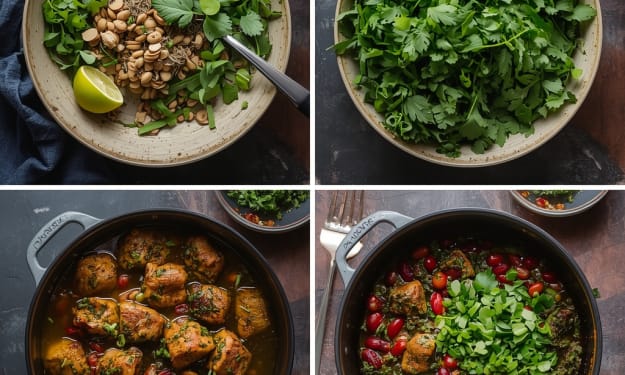
How to Make Authentic Ghormeh Sabzi (Iranian Herb Stew). AI-Generated.
⭐ Authentic Ghormeh Sabzi: A Complete Guide to Iran’s Most Beloved Stew
Ghormeh Sabzi is more than just a meal—it's a cultural treasure, a symbol of Iranian family gatherings, and one of the most flavorful herb-based stews in the world. Known for its rich aroma, deep-green color, and perfectly balanced sour notes, this dish has captured the hearts of food lovers everywhere. In this complete guide, you will learn about the history, ingredients, cooking method, and useful tips for making truly authentic Ghormeh Sabzi at home.
✨ What Makes Ghormeh Sabzi So Special?
Ghormeh Sabzi is a harmony of slow-fried herbs, tender meat, earthy beans, and the unmistakable tang of dried Persian limes. Its flavor profile is unlike any other stew: herbal, slightly smoky, savory, and pleasantly sour. The secret lies in the unique combination of ingredients and the patient cooking technique passed down through generations.
This iconic dish has been prepared in Iranian homes for hundreds of years. Even today, many families judge a cook’s skills based on how well they make Ghormeh Sabzi.
🌿 Essential Ingredients
The magic of Ghormeh Sabzi comes from a few key ingredients:
1. Fresh Herbs
Aromatic herbs are the heart of the dish. The traditional mix includes:
Parsley
Cilantro
Green onions
Fenugreek (dry or fresh)
These herbs must be chopped finely and fried slowly until they darken and release their fragrance. This step is crucial and gives the stew its rich, signature flavor.
2. Meat
Most people use lamb or beef, cut into medium cubes. The meat becomes incredibly tender during the long cooking process. Some modern versions use chicken or plant-based alternatives, but the classic version remains unmatched.
3. Beans
Kidney beans are the most common choice, though some regions use pinto beans or black-eyed peas. The beans add body and texture to the stew.
4. Dried Limes (Limoo Amani)
These small, sun-dried Persian limes are the soul of Ghormeh Sabzi. They give the stew a deep sourness and a mild smoky flavor that cannot be replaced with lemon juice alone.
🍳 How to Cook Authentic Ghormeh Sabzi
Step 1: Fry the Herbs
Patience is everything. The herbs should be fried on medium heat for at least 10–15 minutes until they become dark green. This step builds the base flavor.
Step 2: Brown the Meat
In a separate pot, sear the meat lightly to bring out its natural taste. Add turmeric for extra aroma.
Step 3: Combine Ingredients
Add the fried herbs, beans, salt, pepper, water, and dried limes. Pierce the limes so their flavor spreads evenly.
Step 4: Slow Cooking
Let the stew simmer gently for at least 2–3 hours. The longer it cooks, the more delicious it becomes. Ghormeh Sabzi is known for doing well as a “next-day dish”—it tastes even better after resting overnight.
💡 Expert Tips for the Best Results
Don’t add too much water at the beginning; Ghormeh Sabzi should not be watery.
If the stew becomes too thick, add a little hot water during cooking.
For deeper color, fry the herbs slightly longer.
Always taste the dried limes first—some are very sour, and you may need fewer.
Let the stew rest for 15–20 minutes before serving to let the flavors settle.
🍽 How to Serve Ghormeh Sabzi
Traditionally, it is served with Persian saffron rice (chelow). Many Iranians also enjoy it with:
Pickled vegetables
Plain yogurt
Fresh herbs
Crispy tahdig
This creates a perfect balance of textures and flavors.
🌍 Regional Variations
Different parts of Iran add their own twist:
South of Iran: Uses black dried limes for a smokier taste
North: Adds fresh fenugreek
Some homes: Add potatoes or use white beans instead of red
Every family proudly believes their version is the best—and that’s part of what makes this dish special.
❤️ Why Ghormeh Sabzi Matters
More than a stew, Ghormeh Sabzi represents memories, hospitality, and tradition. It is a dish passed down from mothers and grandmothers, meant to be shared with loved ones. For many Iranians living abroad, cooking Ghormeh Sabzi is a way to feel close to home again.
Whether you’re an experienced cook or trying this dish for the first time, following the tips and techniques in this guide will help you create a delicious, authentic Ghormeh Sabzi full of aroma, color, and history.