Blueroseone
Stories (224)
Filter by community
What is Dystopian: Definition, Tips, and How to Publish
What Does Dystopian Mean? A fictitious world that has devolved into a state of oppression, chaos, or great inequality is referred to as “dystopian.” In contrast to utopias, which show an ideal society, dystopias examine the negative aspects of people and government, emphasizing the potential consequences of striving for control or perfection.
By Blueroseoneabout a year ago in BookClub
Psychological Thriller: Definition, Tips and How to Write
Psychological thrillers are compelling, mind-bending stories that explore the complexity of human conduct. They keep readers on the edge of their seats, questioning their assumptions and drawing them into a web of suspense. Let’s dive down what makes this genre so appealing, and how you can master composing it.
By Blueroseoneabout a year ago in BookClub
How to Choose a Pen Name in 2025
Have you ever wondered how writers like J.K. Rowling or Mark Twain come up with such unique names? These are pseudonyms, or pen identities, that authors employ for a variety of purposes. Choosing the appropriate pen name can have a significant impact on your writing career, whether it is for privacy, branding, or overcoming societal preconceptions. This post will discuss how to choose the ideal pen name for 2025.
By Blueroseoneabout a year ago in BookClub
Scribd vs Audible: Which One is Better for You?
It has never been simpler to access books and audiobooks in the current digital world. Audible and Scribd are two of the most popular sites for book lovers. Which one, though, is best for you? To assist you in making a decision, let’s examine their features, costs, and special offers in detail.
By Blueroseoneabout a year ago in BookClub
What is Rising Action in a Story: Definition with Examples
Have you ever gotten captivated by a story and wondered why you couldn’t put it down? That is the beauty of rising action—the section of the story that captures your attention and refuses to let go. In this post, we’ll look at what rising action is, why it’s important for storytelling, and how it appears in some of your favorite books and films.
By Blueroseoneabout a year ago in BookClub
Literary Fiction vs Genre Fiction: Definition & Examples
When it comes to literature, readers are frequently divided into two groups: those who appreciate the complex layers of literary fiction and those who prefer the thrilling narratives of genre fiction. But what distinguishes these two types? Let’s look at their definitions, major traits, and instances to better comprehend their distinguishing features.
By Blueroseoneabout a year ago in BookClub
5 Act Structure: Definition, Examples, and More
The 5 Act Structure is a narrative framework used in storytelling that dates back to classical drama, including William Shakespeare’s plays. This structure breaks down a story into five separate sections: exposition, rising action, climax, falling action, and denouement. Each act has a distinct role in the narrative’s evolution, leading the spectator on a cohesive journey of conflict, climax, and conclusion.
By Blueroseoneabout a year ago in BookClub
7-Point Story Structure: Definition, Examples and More
The 7-point tale structure is a popular framework for writers to organize their narratives, resulting in a fascinating and unified plot. Dan Wells developed this structure, which focuses on important turning points to take the protagonist from the beginning to the end of the novel. It’s commonly utilized in books, movies, and short stories.
By Blueroseoneabout a year ago in BookClub
What is Thriller: Definition, Examples, and More
What is a Thriller? A thriller is a type of storytelling that is intended to keep readers or spectators on the edge of their seats through suspense, excitement, and anticipation. It frequently incorporates high-stakes scenes, unexpected twists, and a sense of danger to keep the viewer captivated. Crime, espionage, and psychological strain are common themes, with protagonists frequently racing against the clock to solve a mystery or avert tragedy. Thrillers include The Girl with the Dragon Tattoo and Gone Girl.
By Blueroseoneabout a year ago in BookClub
Point of View vs Perspective: The Difference with Examples
Ever wondered what distinguishes point of view from perspective in storytelling? Although these phrases are frequently used interchangeably, they play distinct functions in crafting narratives. Understanding the distinction can help you write deeper and more interesting stories.
By Blueroseoneabout a year ago in BookClub
What is an Epigram? Definition, Uses And Examples
What is an Epigram? An epigram is a brief, humorous, and frequently paradoxical statement or poetry that conveys a single thought or idea in an effective manner. It usually combines wit, wisdom, and brevity to produce a lasting impact. Epigrams are frequently employed in literature, speeches, and everyday conversation to emphasize truths, ironies, or insightful insights.
By Blueroseoneabout a year ago in BookClub
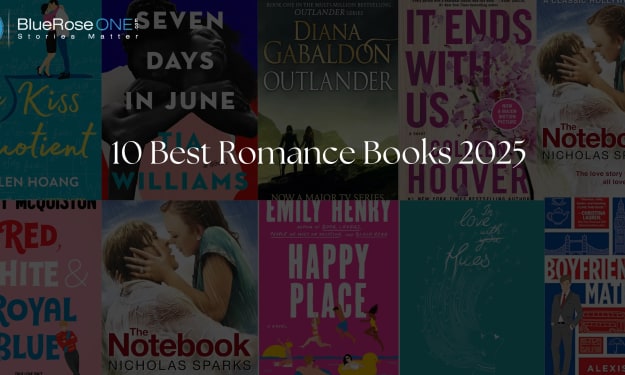
10 Best Romance Books
Romance novels have a unique ability to capture hearts and transport readers to realms full of love, passion, and hope. Whether you enjoy swoon-worthy contemporary stories, historical settings, or mystical fantasies, 2024 offers something for everyone. Let’s look at the 12 best romance books you can’t miss this year!
By Blueroseoneabout a year ago in BookClub