Anu Bhandari
Stories (1)
Filter by community
WHAT IF HUMAN BODY HAD NO BONES?
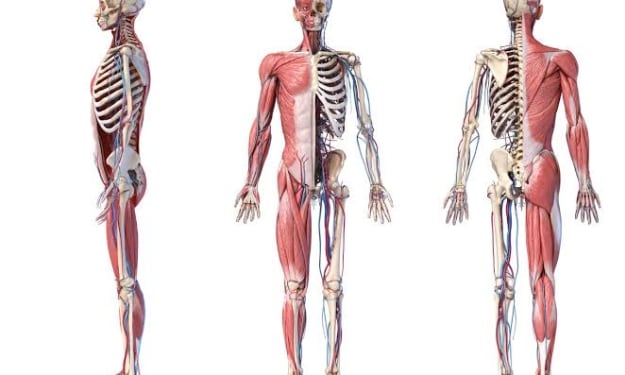
The skeletal system is a crucial component of human anatomy, consisting of tendons, ligaments, and cartilage, in addition to bones. The bones not only provide a sturdy structure that supports the body, but also produce blood cells, fats, and minerals that are essential for overall bodily function. However, in the hypothetical scenario of the removal of all bones, including the skull, femur, and rib cage, the consequences would be dire. Without bones, movement would be impossible, and the individual would require constant ventilation due to the inability of the lungs to expand without a rib cage. Furthermore, the lack of bone marrow would result in a weakened immune system, making the individual highly susceptible to infections and diseases such as leukaemia. Additionally, the absence of a jawbone would render the individual unable to chew, necessitating the use of a feeding tube. In short, a life without bones would be unsustainable, and survival would be measured in mere minutes to a few hours. While the removal of bones is a hypothetical scenario, it is important to recognise the significance of the skeletal system and not take it for granted. Mental health challenges can also be destabilising, but therapy can provide the necessary support and tools to navigate these difficulties. In contrast, if humans had evolved without bones, they would not have been able to survive outside of the ocean, as bones provide necessary protection for organs such as the brain, heart, lungs, and liver. Alternatively, an exoskeleton could have evolved, but this would also come with its own set of challenges and limitations. In conclusion, the importance of bones cannot be overstated, and their absence would result in a multitude of negative consequences. It is crucial to appreciate and care for our skeletal system, as it is an essential component of our overall health and well-being.
By Anu Bhandari3 years ago in Humans