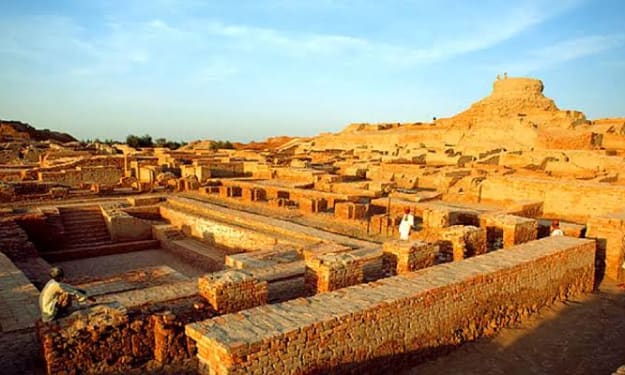
The Tradition of Akbar the Incomparable: A Radiant Part in Indian History
The Tradition of Akbar the Incomparable: A Radiant Part in Indian History
Akbar, also known as Akbar the Great, is one of the most revered emperors in Indian history. His reign, which lasted from 1556 to 1605, marked a golden era for the Mughal Empire. Known for his military conquests, administrative brilliance, and remarkable cultural achievements, Akbar's legacy continues to influence India even today.
Early Life and Ascension to the Throne
Akbar was born on October 15, 1542, in Umarkot (present-day Sindh, Pakistan) to Emperor Humayun and his wife Hamida Banu Begum. His father, Humayun, had lost the Mughal throne to Sher Shah Suri, and Akbar’s birth occurred during this period of exile. Humayun regained his empire with the help of the Persian Empire, but tragically died when Akbar was just 13 years old.