Aakib Ansari
Stories (2)
Filter by community
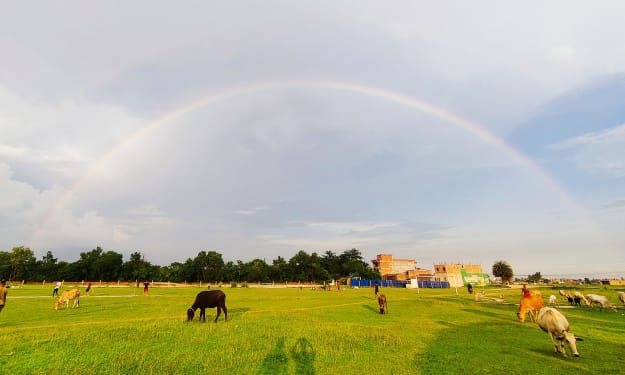
Chasing Rainbows: The Art of Colorful Inspiration
In a world often characterized by its gray routines and monotonous patterns, the vibrant allure of rainbows remains a timeless symbol of hope, diversity, and the beauty of life's ever-changing canvas. Chasing rainbows isn't just a pursuit of a fleeting meteorological phenomenon; it's a quest for the essence of color, the magic of transformation, and the inspiration that comes from embracing life's kaleidoscope of experiences.
By Aakib Ansari2 years ago in Motivation
The Festival of Lights: Understanding the Significance of Diwali
Diwali, also known as Deepavali, is one of the most celebrated festivals in India and among Indian communities worldwide. This auspicious festival is deeply ingrained in the cultural and religious fabric of various communities, and it holds a special place in the hearts of millions. Let's explore the reasons why people celebrate Diwali and the significance it holds. 1. Spiritual Renewal: Diwali is often considered a time for spiritual renewal. It's the victory of light over darkness, good over evil, and knowledge over ignorance. People believe that lighting lamps and diyas during Diwali symbolizes the removal of spiritual darkness and the ushering in of new beginnings. 2. Historical and Mythological Significance: Diwali has several mythological stories associated with it. The most famous one is the return of Lord Rama to Ayodhya after his 14-year exile and victory over the demon king Ravana. This story signifies the triumph of righteousness and the celebration of good deeds. 3. Goddess Lakshmi: Diwali is dedicated to the worship of Goddess Lakshmi, the goddess of wealth and prosperity. People believe that welcoming and appeasing Goddess Lakshmi during this time brings good fortune to their homes and businesses. Many businesses start their new financial year on Diwali, hoping for a prosperous year ahead. 4. Family and Community Bonding: Diwali is a time when families come together, share festive meals, exchange gifts, and enjoy each other's company. It strengthens the bonds within families and communities, fostering a sense of unity and togetherness. 5. Cultural Diversity: Diwali is celebrated by people from diverse backgrounds, including Hindus, Jains, Sikhs, and Buddhists. Each community has its own unique way of celebrating Diwali, making it a vibrant and culturally rich festival that promotes understanding and respect among different groups. 6. Victory of Light: The lighting of lamps, diyas, and candles during Diwali is not only symbolic but also literal. It's a time when streets, homes, and public places are illuminated, spreading joy and dispelling darkness. This is also a way of celebrating the victory of light, knowledge, and enlightenment. 7. Renewal of Relationships: Diwali is a time for forgiveness, reconciliation, and the rekindling of relationships. People often use this occasion to reach out to friends and family members they might have lost touch with, mending broken bonds and starting anew. 8. Cleansing and Purification: Diwali is not just about external celebrations; it also involves inner purification. People clean and decorate their homes to welcome the goddess of wealth, but this practice also symbolizes the cleansing of the mind and heart, removing negativity, and making way for positivity and clarity.
By Aakib Ansari2 years ago in Humans