
Why Does Art Matter?
Exploring the Power of Creativity in Our Lives


Art is everywhere. From the colors on a canvas to the melodies of a song, from the intricate designs in architecture to the stories told through dance, art surrounds and shapes our existence. Yet, many people ask: Why does art matter? Why do humans feel such a deep need to create and experience art? What role does it play in our personal lives and in society as a whole?
In this article, we’ll explore the profound power of art — how it connects us, heals us, inspires us, and ultimately defines what it means to be human.
Art: A Universal Language of Expression
Art is often called a universal language, and for good reason. Unlike spoken languages, which require translation and cultural knowledge, art speaks directly to the human soul. A painting, a piece of music, or a dance can evoke feelings of joy, sorrow, fear, or hope — without uttering a single word.
Throughout history, people have used art to express what words cannot. When emotions are too complex, too raw, or too sacred for speech, art becomes a channel. The brushstrokes of a painter, the verses of a poet, or the gestures of a dancer tell stories of the human experience — love and loss, conflict and peace, dreams and despair.
The Healing Power of Art
Art is not just about beauty; it is also a powerful tool for mental and emotional healing.
Studies in psychology and neuroscience have shown that creating or engaging with art can reduce stress, alleviate symptoms of depression, and enhance overall well-being. This is because art activates parts of the brain associated with reward, pleasure, and emotional regulation.
For example, art therapy has become an established method to help trauma survivors express pain they can’t verbalize. When words fail, painting, drawing, or sculpting can release suppressed emotions and start a path toward healing.
Art can also foster mindfulness — focusing one’s attention on the creative process helps quiet the mind and relieve anxiety.
Art Reflects Our Culture and History
Art is a mirror to society. It reflects the values, struggles, and triumphs of a culture across time.
Think about the Renaissance era, when artists like Leonardo da Vinci and Michelangelo redefined the human form and celebrated intellectual curiosity. Their masterpieces weren’t just beautiful; they embodied a spirit of discovery and human potential.
In contrast, the street art movement brings the voice of the marginalized to the public space — murals and graffiti that challenge social injustice and spark conversations.
Art preserves history in a way that textbooks cannot. The murals of ancient civilizations, the pottery designs of indigenous tribes, or the protest posters of the civil rights era all tell stories that keep culture alive and relevant.
How Art Inspires Innovation and Creativity
Artists don’t just create beauty; they push boundaries and challenge norms. Their creativity drives innovation not only in the arts but also in science, technology, and business.
The curiosity and problem-solving skills honed through artistic practice often translate into new ideas and inventions. Many great thinkers, including Albert Einstein and Steve Jobs, credited their creativity to exposure to the arts.
In today’s fast-changing world, the ability to think creatively is one of the most valuable skills. Art encourages risk-taking, experimentation, and open-mindedness.
Art Connects Us
Art has a unique way of bringing people together. Whether it’s an audience at a concert, visitors at a gallery, or participants in a community mural project, art creates shared experiences.
These experiences foster empathy and understanding by allowing people to see the world through someone else’s eyes.
In a world often divided by politics, race, and culture, art serves as a bridge that reminds us of our common humanity.
Personal Transformation Through Art
Many people have stories of how art changed their lives — how a painting inspired them to pursue a dream, or how writing helped them process a difficult period.
Consider the story of Mark Donovan, a man stuck in a monotonous job who found an old mysterious book that sparked a journey of self-discovery (like in the story I wrote earlier). This transformation wouldn’t have been possible without art’s power to inspire.
You don’t have to be a professional artist to benefit. Trying your hand at drawing, writing, or playing music can unlock new parts of your brain and open doors to emotional growth.
Why You Should Make Art Part of Your Life
Engaging with art doesn’t require talent or training. It requires curiosity and willingness.
Visit a local museum or art gallery to experience new perspectives.
Listen to music from different cultures and genres.
Pick up a sketchbook or journal and start creating.
Attend theater performances, dance recitals, or poetry readings.
Explore photography or digital art.
The act of experiencing or creating art brings joy, stimulates your imagination, and deepens your connection with the world.
Art as a Force for Social Change
Artists have long used their craft to protest injustice and promote change. From Picasso’s Guernica, a powerful anti-war painting, to hip-hop lyrics addressing systemic racism, art can be a tool for activism.
Art makes the invisible visible — shining a light on issues ignored by mainstream discourse.
Social movements often harness art to mobilize communities and inspire action.
The Science Behind Why Art Moves Us
Neuroscience has begun to unlock why art impacts us so deeply.
Studies show that viewing art can release dopamine, the "feel-good" chemical in the brain. This is why a beautiful painting or a moving song can literally make us feel pleasure.
Moreover, mirror neurons in our brains respond to artistic expressions of emotion, helping us empathize with the artist’s feelings.
Art engages multiple senses and cognitive functions simultaneously — making it a holistic experience that touches body, mind, and soul.
The Everlasting Impact of Art
Art is timeless. Works created thousands of years ago still resonate today because they capture universal human experiences.
Art preserves what is fragile — emotions, memories, dreams — making them tangible and passing them on to future generations.
In this way, art is not just for the present; it is a gift to the future.
Final Thoughts: Embracing the Art in Your Life
Art matters because it is a celebration of humanity. It helps us understand ourselves and each other, offers healing when we are broken, and inspires us to dream bigger.
No matter your background, art can be a source of joy, wisdom, and connection.
So next time you see a painting, hear a song, or watch a performance, remember — you are participating in something that has shaped and will continue to shape the very essence of who we are.
Art is life, made visible.
About the Creator
Farzad
I write A best history story for read it see and read my story in injoy it .
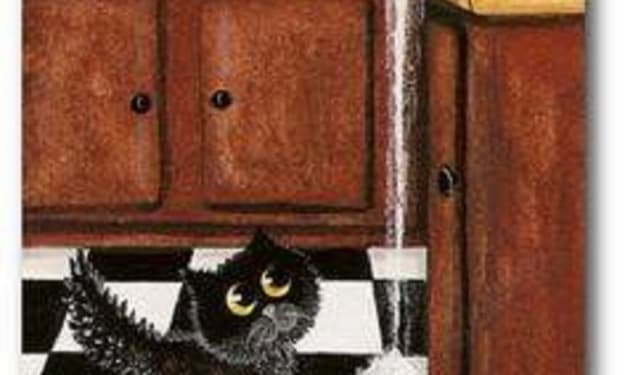
Kitchen Help by Amy Lyn Bihrle
Introduction I follow The Reiki Cat Lady on Facebook as they share some wonderful feline artwork and this lovely funny one caught my eye to inspire a story. They remind me of my friends Cherri and Amanda's and my daughter Juliet's cats that know where all the treats are hidden, in the kitchen.
By Mike Singleton 💜 Mikeydred 3 days ago in Art
When the Shelter Closes
Across the street from my house, a man slept under a tree, his dog by his side. My first, naive thought: he must be traveling through. But he kept coming back, often sleeping there during the day. Then it hit me—that person might not have a home.
By Bride of Sound5 days ago in Humans



Comments
There are no comments for this story
Be the first to respond and start the conversation.