
What are Considered Montessori Toys? A Guide to Educational Play
Uncover the Key Features of Montessori Toys and How to Select the Ideal Toy Set for Your Child's Developmental Needs

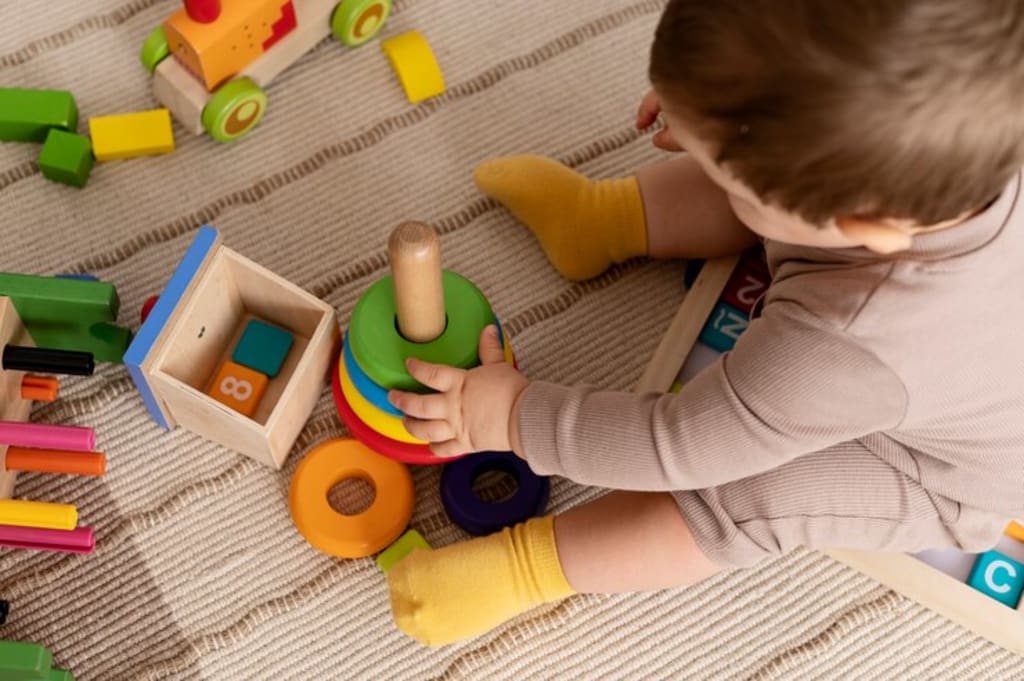
Montessori education is renowned for its unique approach to fostering independent learning and cognitive development in children. Central to this method are Montessori toys, which are specifically designed to support the principles of the Montessori philosophy. These toys are not just playthings; they serve as tools that guide children in their exploration of the world, helping them to develop critical thinking, creativity, and problem-solving skills. In this guide, we’ll delve into what are considered Montessori toys, what makes a toy Montessori, and how to select the best Montessori toy set for your child.
What is a Montessori Toy?
A Montessori toy is a carefully crafted educational tool that aligns with the Montessori method of teaching. The goal of Montessori education is to promote independence, self-directed learning, and hands-on engagement. Montessori toys are designed to support these goals by encouraging children to explore, experiment, and learn through play.
Montessori toys are typically made from natural materials such as wood, metal, or fabric, and they are designed to be simple yet purposeful. The focus is on quality over quantity, with each toy serving a specific function that contributes to a child’s development. These toys often have a tactile element, allowing children to engage their senses and develop fine motor skills. They are also aesthetically pleasing, with a focus on minimalism and natural colors, which helps to avoid overstimulation and encourages concentration.
What Makes a Toy Montessori?
Understanding what makes a toy Montessori is key to selecting the right tools for your child's development. Several characteristics define Montessori toys:
Purposeful Design: Each Montessori toy is designed with a specific educational purpose in mind. Whether it's developing motor skills, enhancing cognitive abilities, or teaching problem-solving, every aspect of the toy is intentional. For example, a Montessori toy set of stacking rings helps children learn about size, order, and coordination.
Natural Materials: Montessori toys are primarily made from natural materials like wood, cotton, metal, and glass. These materials are durable, safe, and provide a sensory experience that plastic toys do not offer. The use of natural materials also aligns with the Montessori principle of connecting children to the natural world.
Simplicity: The design of Montessori toys is intentionally simple. This simplicity helps children focus on the task at hand without being distracted by bright colors, flashing lights, or loud noises. A Montessori toy is typically designed to engage one or two senses at a time, promoting deeper learning and concentration.
Self-Correcting Features: Many Montessori toys are self-correcting, meaning they allow children to identify and correct their mistakes independently. For instance, a puzzle that only fits together one way teaches problem-solving and patience, as the child learns through trial and error.
Developmentally Appropriate: Montessori toys are designed to match the developmental stage of the child. For instance, a Montessori toy set for an infant might include simple grasping toys, while a set for a preschooler might feature more complex puzzles or building blocks that challenge their cognitive skills.
What Are Considered Montessori Toys?
When asking, “What are considered Montessori toys?” it’s important to recognize that these toys go beyond traditional playthings. They serve as educational tools that encourage children to learn through exploration and discovery. Below are some examples of what are considered Montessori toys:
Wooden Blocks: A staple in Montessori classrooms, wooden blocks are versatile tools that help children learn about shapes, sizes, balance, and symmetry. They encourage open-ended play, where the child decides what to build, fostering creativity and problem-solving.
Shape Sorters: Shape sorters are classic Montessori toys that teach children about geometry, spatial awareness, and hand-eye coordination. The child learns to match shapes with corresponding slots, which enhances their cognitive development.
Stacking Rings: Stacking toys, such as rings, are used to teach children about size, sequencing, and fine motor skills. The act of stacking and unstacking helps with hand-eye coordination and understanding the concept of order.
Puzzles: Montessori puzzles are designed to be simple yet challenging. They often feature large pieces that fit together in a specific way, helping children develop problem-solving skills and patience.
Practical Life Toys: These toys mimic real-life tools and activities, such as a child-sized kitchen set or cleaning tools. Practical life toys help children develop independence and a sense of responsibility as they engage in tasks that reflect the adult world.
Sensory Toys: Sensory toys, such as textured balls or fabrics, are designed to engage a child’s senses and help them explore different textures, weights, and temperatures. These toys are particularly useful for infants and toddlers as they develop their sensory awareness.
Montessori Toy Sets for Different Age Groups
Choosing the right Montessori toy set depends on your child’s age and developmental stage. Here’s a breakdown of suitable Montessori toys for different age groups:
Infants (0-12 Months): Montessori toys for infants focus on sensory exploration and motor skill development. A typical Montessori toy set for this age might include soft fabric balls, wooden grasping toys, and simple rattles that encourage reaching and grasping.
Toddlers (1-3 Years): For toddlers, a Montessori toy set might include stacking rings, shape sorters, and simple puzzles. These toys help toddlers develop fine motor skills, hand-eye coordination, and an understanding of basic concepts such as size and shape.
Preschoolers (3-6 Years): As children grow, their need for more complex toys increases. Montessori toy sets for preschoolers might include building blocks, more advanced puzzles, and practical life toys that encourage imaginative play and the development of life skills.
School-Age Children (6+ Years): For older children, Montessori toy sets become more sophisticated, with items such as intricate puzzles, construction sets, and educational board games that challenge their critical thinking and problem-solving abilities.
How to Choose the Right Montessori Toy Set
Selecting the right Montessori toy set for your child involves considering several factors:
Developmental Stage: Ensure that the toys are appropriate for your child’s age and developmental stage. A toy that is too advanced may frustrate them, while one that is too simple may not hold their interest.
Interests: Consider your child’s interests when choosing toys. If your child enjoys building, a set of wooden blocks might be ideal. If they are fascinated by nature, consider sensory toys that allow them to explore different textures and materials.
Quality: Montessori toys are known for their high quality. Look for toys made from durable, natural materials that can withstand regular use. Investing in well-crafted toys ensures that they will last and continue to benefit your child as they grow.
Educational Value: Focus on toys that offer educational value and align with the Montessori principles of learning through exploration and discovery. A good Montessori toy set will encourage your child to think critically, solve problems, and develop new skills.
Conclusion
Montessori toys are integral to the Montessori method, providing children with the tools they need to explore, learn, and grow. By understanding what makes a toy Montessori and how to choose the right Montessori toy set, you can create an enriching play environment that supports your child’s development. Whether you’re introducing wooden blocks, shape sorters, or practical life toys, each Montessori toy set is designed to foster creativity, independence, and a lifelong love of learning.
Investing in Montessori toys is more than just a purchase; it’s a commitment to your child’s holistic development. By choosing toys that are purposeful, well-crafted, and developmentally appropriate, you’re giving your child the foundation they need to thrive both now and in the future.
About the Creator
Alisha Chinoy
I am working in a Cellphone Booster Company and I love to write and learn about new gadgets or technology.
Reader insights
Outstanding
Excellent work. Looking forward to reading more!
Top insight
Heartfelt and relatable
The story invoked strong personal emotions
Keep reading
More stories from Alisha Chinoy and writers in Art and other communities.
What are Considered Montessori Toys? A Guide to Educational Play
Montessori education is renowned for its unique approach to fostering independent learning and cognitive development in children. Central to this method are Montessori toys, which are specifically designed to support the principles of the Montessori philosophy. These toys are not just playthings; they serve as tools that guide children in their exploration of the world, helping them to develop critical thinking, creativity, and problem-solving skills. In this guide, we’ll delve into what are considered Montessori toys, what makes a toy Montessori, and how to select the best Montessori toy set for your child.
By Alisha Chinoyabout a year ago in Art
Project Hail Mary
The anticipation for the Project Hail Mary film adaptation in 2026 is absolutely massive! Andy Weir’s story is a masterclass in 'competence porn,' and seeing Ryland Grace brought to life on the big screen is going to be a cinematic treat. Translating that level of scientific problem-solving to film is a highly strategic process—much like the focus and timing required in a top-tier ice fishing slot game in the UK—you have to get every detail right to make the 'catch' truly satisfying for the audience
By StanleyGreen2 days ago in Art




Comments (1)
nicely done