
Unveiling Creativity: The Power of Art Therapy Group
The power of art

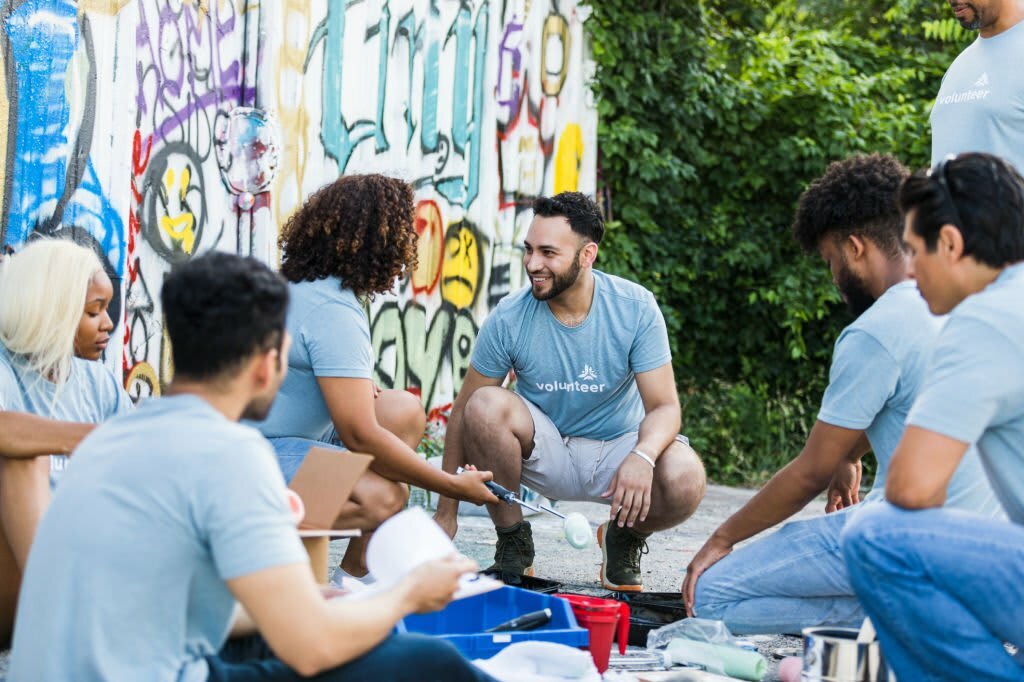
Art therapy employs art as the major form of expression. Its goal is to promote understanding, self-compassion, and a sense of agency and self-worth in order to minimize discomfort and improve social, emotional, and mental health. Art therapy may benefit individuals of different ages and phases of life, particularly those whose lives have been impacted by severe personal or cultural events. Painting, sketching, or modeling are all forms of art therapy that foster creative expression. It may help by giving a secure area for people to express themselves and feel more in control of their lives. Art therapy gives persons confronting physical, emotional, and cognitive issues with fresh avenues toward knowledge and self-expression, much as a painting or a piece of music may convey something in ways that nearly defy explanation. Art therapy does not require people to be artists or even good at art to benefit from it. This type of treatment is more than simply an art class or something to keep folks busy. Art therapy employs the power of the arts and many types of communication to encourage people to open up and participate with their treatment in new ways, which may improve overall recovery. Using art in a group setting not only allows for individual expression but also fosters a sense of community and shared experience. This study delves into a variety of art therapy group concepts, evaluating their potential benefits and applications.
Collaborative Mural Projects:
The painting of a collaborative mural is one of the most engaging group activities in art therapy. This project has the potential to be especially helpful in contexts where developing a sense of community or teamwork is critical, such as schools, businesses, or mental health institutions. Participants collaborate to design and build a big mural on a wall or canvas, deliberating over themes, colors, and designs. This method promotes collaboration, communication, and a shared sense of accomplishment. Once completed, the painting will serve as a concrete expression of teamwork and innovation.
Mask Making:
Another effective art therapy activity that allows people to explore many elements of their identity is mask fabrication. In this activity, individuals of the group make masks that reflect how they view themselves or how they feel others perceive them. This practice can be very informative since it promotes introspection and conversation about identity, self-image, and societal roles. Individuals struggling with identity issues or big life transformations may find it beneficial.
Mandala Drawing:
Mandalas are peaceful and healing art forms that include elaborate circular motifs. The act of creating a mandala is both healing and meaningful. The inner self will be reflected in the forms and colors you make in your mandala art therapy. Your instincts and feelings should motivate and lead you throughout the creative process. As you work on the mandala, you will eventually be painting a portrait of yourself. So, whatever you're feeling at the time, whatever emotions you're experiencing, will be reflected in your mandala art therapy. Making mandalas in a group can be a peaceful and centering exercise, allowing people to focus and contemplate within. This practice is typically utilized in contexts where people need to relax and de-stress since it is particularly beneficial for stress alleviation.
Clay Sculpting:
Clay is a well-known material in both art therapy and psychotherapy. Many people believe that clay has therapeutic potential as a tool for promoting therapeutic processes in individual and group therapy. People can express themselves through clay sculpture by using a tactile medium. This can help nonverbal communication and expression in a group context. This activity might be especially beneficial for people who struggle to communicate their emotions or who have experienced trauma. Clay's tactile nature can be both grounding and comforting.
Paint by Numbers Kit:
The utilization of certain paint by numbers kits themes in art therapy groups can provide participants with varied and relevant experiences. The application of paint by number flowers theme kits can be especially relaxing and cheerful. Flowers' inherent beauty and range of colors can elicit sentiments of joy and tranquility. Participants can share tales about their favorite flowers or experiences linked with different blooms in a group setting, establishing a sense of connection and shared experience. On the other hand, the Paint by Numbers Tiger theme can be empowering and encouraging. Painting a tiger, an animal noted for its strength and majesty, may be a fun way to experiment with themes like power, resilience, and courage. Also Butterfly Paint by Number kits can represent transformation and change. The process of painting a butterfly might reflect the personal growth and metamorphosis that many people in art therapy groups are going through. By adding these specific themes into art therapy sessions, facilitators may provide a controlled yet flexible avenue for expression and reflection.
Photo Collage:
A photo collage project can assist participants in exploring their history, present, and future goals. Group members create a visual representation of their life experience or aspirations using photographs, magazine cutouts, and other materials. This practice is especially good for people who are starting new objectives or in recovery because it allows them to visualize progress and hope.
Art Journals:
Participants in art journaling develop a personal diary that incorporates both textual and artistic expressions. Participants in a group environment can discuss their journals if they feel comfortable doing so, which helps develop empathy and understanding among group members. This practice is especially good for ongoing groups since it allows for continued self-expression and reflection.
Art therapy group activities are an innovative and effective method for treating a wide range of mental health disorders. They offer a safe and supportive atmosphere for people to express themselves, communicate with others, and work toward healing and personal growth. While managing group dynamics and catering to a variety of needs can be challenging, the benefits of greater self-expression, social support, stress reduction, and personal knowledge make art therapy groups an effective therapeutic tool. As the discipline of art therapy advances, these group activities will most likely play an increasing role in mental health treatment and support.
In brief, art therapy in a group environment is a strong instrument for community building, mutual understanding, and collective healing. Each of these activities provides participants with a unique opportunity to explore their emotions, communicate with others, and grow as individuals within a supportive community. As a result, art therapy groups can be extremely beneficial in mental health treatment, community centers, schools, and other settings where collective well-being is a top priority.
About the Creator
Keep reading
More stories from Paint by Numbers and writers in Art and other communities.
Unleashing the Magic of Paint by Numbers: A Journey of Creativity and Relaxation
Paint by Numbers has captivated artists and art enthusiasts alike for decades, providing a unique and accessible way to create stunning artworks. With pre-drawn outlines and numbered sections, anyone, regardless of their artistic ability, can dive into the world of painting and bring beautiful compositions to life.
By Paint by Numbers 3 years ago in Art



Comments
There are no comments for this story
Be the first to respond and start the conversation.