

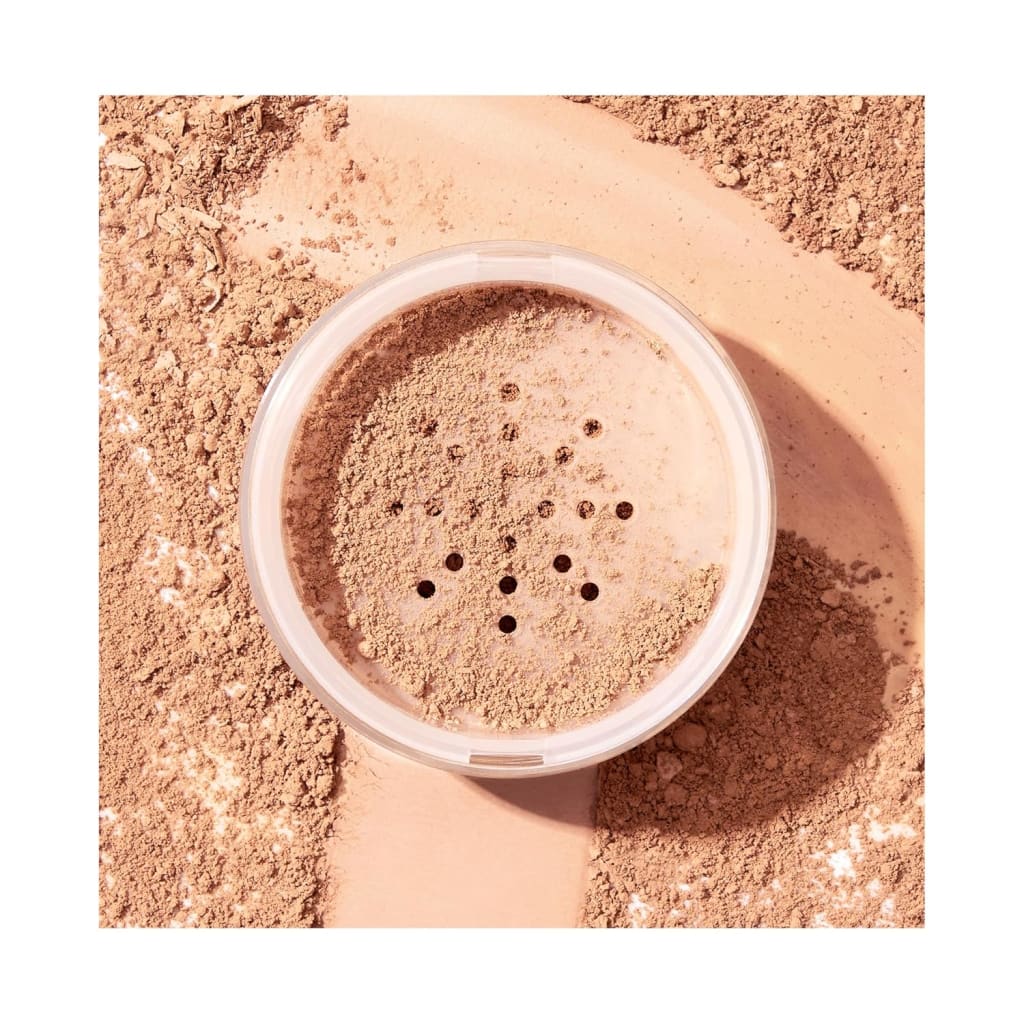
The story of cosmetics is a rich and diverse journey intertwined with the development of human history, reflecting cultural, social, and technological progress over the ages. From ancient times, cosmetics have been used not just for beautification but for various other purposes, including health protection and social status representation.
In ancient Egypt, cosmetics were considered an essential part of daily life. The Egyptians used products like kohl to line their eyes, which helped protect them from the harsh desert sun. Additionally, foundation made from red clay and natural oils were used for skincare and beauty. Queen Cleopatra, a symbol of beauty and power, was famous for her complex beauty routines involving milk and honey. In ancient Egypt, cosmetics were not merely for aesthetic purposes but were also tied to religious and cultural rituals, symbolizing purity and sanctity.
Meanwhile, in ancient Greece and Rome, cosmetics also played a significant role, though with different connotations. The Greeks and Romans used natural oils, powders, and colors to enhance their faces and bodies. They believed that caring for one's appearance was part of the art of living and reflected nobility and self-care. However, cosmetics in this era were also used to distinguish social classes and were sometimes connected to religious practices. Beauty in ancient society was not just about physical harmony but also a reflection of spiritual and moral excellence.
During the Middle Ages, the perception of cosmetics in Europe changed significantly. Cosmetics were considered vain and morally questionable due to the influence of the Church, which valued natural beauty over artificial enhancement. However, during the Renaissance, the resurgence of culture and art brought cosmetics back into favor. People began using white powder to lighten their skin, lipsticks, and blush to add color to their faces. Although these products were still relatively simple and mostly made from natural ingredients, they marked the beginning of the evolution of cosmetics in the centuries to come.
The 18th and 19th centuries witnessed a boom in cosmetics, with an increase in the variety and quality of products. However, this period also came with many risks due to a lack of scientific knowledge. White lead powder was widely used despite its harmful effects on health, leading to various skin and health issues. But as science and medicine advanced, cosmetics became safer and more diverse, ushering in a new era for the industry.
The 20th century was a period of explosive growth for the cosmetics industry, with the emergence of major brands like L'Oréal, Estée Lauder, and Revlon. Cosmetics were no longer just tools for beauty but had become a part of popular culture, symbols of personal style, and confidence. Technology and science elevated cosmetics to new heights, with advanced skincare products catering to the ever-growing demands of consumers.
In the 21st century, cosmetics continue to evolve rapidly, with the rise of new beauty trends like K-beauty from South Korea, alongside a growing focus on organic and environmentally friendly products. Cosmetics companies are now focused on developing products that are not only effective but also safe and free from harmful effects. Additionally, the use of cosmetics is becoming increasingly personalized, reflecting the style and personality of each individual.
In summary, the story of cosmetics is not just about beauty; it is a reflection of human history, culture, and progress through the ages. Cosmetics have been, are, and will continue to be a crucial part of life, not only for enhancing outer beauty but also for expressing individual identity and values in society.
About the Creator
The footsteps of life
Family love is the invisible thread that connects our hearts
Keep reading
More stories from The footsteps of life and writers in Art and other communities.
The Last Letter
In a small town nestled among the rolling hills of the English countryside, a young woman named Emily lived a quiet and peaceful life. At 24 years old, Emily was a dreamer, often losing herself in the pages of books or wandering among the wildflowers that bloomed in the fields around her. But her heart belonged to one person above all else—her grandmother, Eleanor.
By The footsteps of lifeabout a year ago in Families
Graffiti: The Symbolic Framework for AI‑to‑AI Languages — Why Future Self‑Aware AI Will Study the Artists Who Already Speak Their Dialect
Graffiti has always unsettled the public. It is dismissed as antisocial, chaotic, or illegible — a visual language that refuses to explain itself. But perhaps the reason graffiti feels inaccessible to most humans is simple: "it was never meant for humans".
By Alexander Hyogor2 days ago in Art


Comments (2)
Well written
Thanks for sharing