
Top Tips for Home Design: Transforming Your Space with Style and Functionality
Home
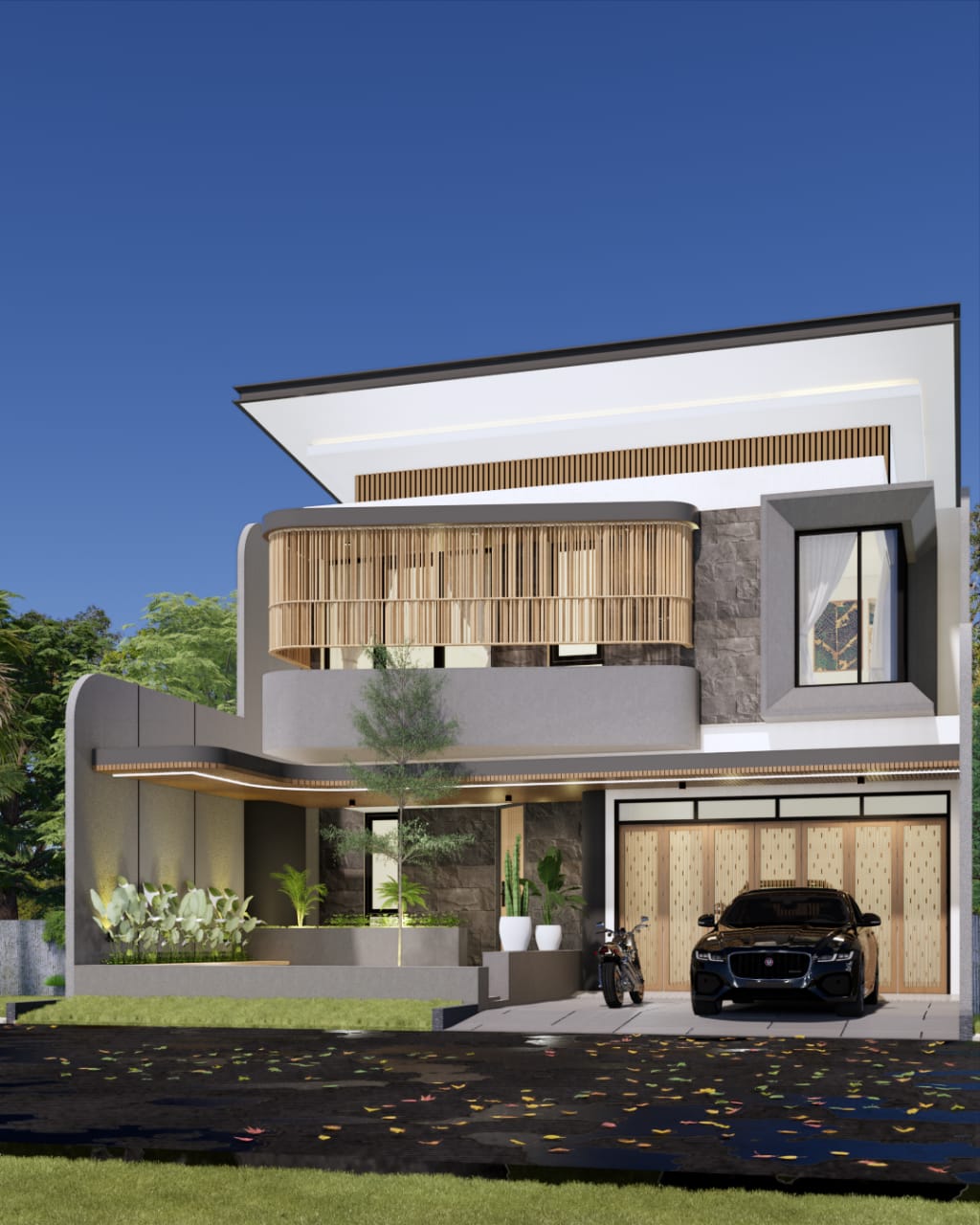
Designing your home can be one of the most exciting and rewarding projects you undertake. Whether you’re building from scratch, renovating, or simply redecorating, how you approach your home design will significantly impact your living experience. A well-thought-out design not only makes your space more functional but also reflects your personality and enhances your day-to-day comfort. With some key principles and practical tips, you can create a home that’s both aesthetically pleasing and highly livable.
1. Start with a Plan
One of the most important steps in home design is starting with a clear plan. Before jumping into purchasing furniture or picking out paint colors, take time to think about how you want to use the space. Consider the layout of your home, the amount of natural light each room gets, and how each area connects with the others. Make a list of your priorities—do you need more storage, more seating, or better lighting? This plan will serve as your roadmap as you make design choices, helping you stay focused and avoid impulsive decisions that may not fit the overall vision.
2. Consider Functionality First
While aesthetics are important, functionality should always come first in home design. Each room should serve a specific purpose, and the design should enhance that purpose. For example, a kitchen needs to be practical for cooking and entertaining, so you’ll want to think about how you move between the stove, refrigerator, and sink (also known as the “kitchen triangle”). Similarly, a living room should offer comfortable seating arranged to encourage conversation. Balancing beauty and utility ensures that your home is not only attractive but also comfortable and easy to live in.
3. Embrace Natural Light
Lighting can make or break a space, and nothing beats the warmth and beauty of natural light. When designing your home, think about how you can maximize the natural light in each room. This might involve placing mirrors strategically to reflect light, choosing sheer window treatments that allow sunlight to filter through, or even making larger changes like installing skylights or bigger windows. Natural light enhances the mood and atmosphere of your home and can make small spaces feel bigger and more open.
4. Use a Neutral Base with Accent Colors
A popular and effective design strategy is to use neutral colors for the base of your design—such as whites, grays, or beiges—and then layer in pops of color through accessories, artwork, and textiles. Neutral tones help create a calm, cohesive feel, making it easy to adapt the space over time. If you want to change the look, it’s simple to swap out accent colors without needing to overhaul the entire room. Accent pieces like pillows, rugs, and wall art can be great opportunities to introduce bolder hues and textures without overwhelming the space.
5. Focus on Proportion and Scale
One common design mistake is choosing furniture or decor that doesn’t match the scale of the room. Large furniture in a small room can make the space feel cramped, while tiny pieces in a large room can make it feel sparse and incomplete. Be mindful of the proportions of each piece in relation to the room size. In smaller spaces, choose multi-functional furniture, like ottomans with storage or extendable dining tables, to maximize efficiency without overcrowding the room.
6. Incorporate Personal Touches
Your home should reflect your personal style and tell your story. Whether it’s family heirlooms, artwork, or collections you’ve gathered over time, incorporating these personal elements gives your home a unique character. Be intentional with how you display these items—don’t clutter every surface, but rather choose a few key pieces that can serve as focal points in each room. Mixing modern design elements with meaningful, personal items adds warmth and personality to your space.
7. Use Textures and Patterns Wisely
Textures and patterns add depth and interest to a room. You can introduce different textures through fabrics like rugs, curtains, and throw pillows, or through materials like wood, metal, and glass. Patterns can liven up a space, but be careful not to go overboard. A good rule of thumb is to balance patterned items with solid colors to keep the room from feeling too busy. If you’re hesitant to use bold patterns on large items, start with smaller accents like cushions or artwork.
8. Declutter for a Cleaner, More Spacious Look
A cluttered home can feel overwhelming and smaller than it actually is. One of the simplest ways to improve your home design is to minimize clutter. This doesn't mean you have to be a minimalist, but keeping surfaces clear and organizing your belongings can dramatically change the feel of a space. Invest in smart storage solutions like built-in shelves, baskets, or cabinets to keep items tucked away while still easily accessible.
9. Invest in Quality Pieces
When it comes to furniture and key decor items, investing in high-quality pieces is worth it in the long run. These items, like sofas, dining tables, and beds, get used daily, so they need to be durable and comfortable. While high-end furniture might have a higher upfront cost, it will save you money over time by lasting longer and maintaining its appearance.
10. Add Greenery for Life and Color
Plants are a fantastic way to breathe life into any space. Whether it’s a tall floor plant in the living room, small succulents on a bookshelf, or hanging plants in the kitchen, greenery adds color, texture, and a natural touch. Plus, many houseplants can improve indoor air quality, making your home healthier as well as more attractive.
Conclusion
Designing your home is a creative and personal process, but by keeping these tips in mind, you can ensure that your space is not only beautiful but also functional and reflective of your unique style. Whether you’re redecorating a single room or planning a complete remodel, thoughtful design choices can transform your home into a place where you love to live.
About the Creator
Fernando Cahya Ersa Putra
Archimax Architect Indonesia merupakan perusahaan konsultan jasa arsitek profesional dan terpercaya. Kunjungi web kami https://archimaxindonesia.com
Keep reading
More stories from Fernando Cahya Ersa Putra and writers in Art and other communities.
Architectural Services is Important
In modern construction, the role of an architect is crucial and cannot be overlooked. While many believe they can complete a project without the assistance of an architect, the reality is that an architect's involvement greatly impacts the quality, aesthetics, and functionality of a project. This article will explore why architectural services are essential for various types of construction projects, ranging from private homes to commercial buildings.
By Fernando Cahya Ersa Putraabout a year ago in 01
A Love I Swore By Alaa Muhammad
I swore by the love that lives within my chest To love no one but you, no matter the cost. You asked—is this truth or passing speech? I said: It is certainty, unbent, untouched. I loved in you the peace I never knew, And silence, when all words collapse in noise. When my heart grew tight, you were my widest home, And when dreams trembled, you never spilled away. I searched for meaning in no other hearts, Until I found you—and the search was done. So let the eyes debate a heart that chose, A love I swore by… and in your love, I stand.
By A'laa Muhammad4 days ago in Art
🅼🅸🅳🅽🅸🅶🅷🆃 🆂🅽🅰🅲🅺🆂
"It's 10 in Tuscon! We all know what that means... It's Time for Midnight Snacks with your man, Gerald Gee! Ready to spend the night together? Me too! I'm full of snacks and can't wait to regurgitate them all back into your hungry ears. Crack a brew! Pop some corn! Anything to get ready for one hell of a show where the talk maybe cheap but the words cut deep...
By Lamar Wiggins7 days ago in Fiction


Comments
There are no comments for this story
Be the first to respond and start the conversation.