
Tips on how to make a good Portfolio
For Art School.

Before I share my tips with you, I want to clarify that these are specifically for those interested in pursuing a degree in the arts and planning to apply to art schools. If you already have an art degree and are looking for job application advice, you may need to look elsewhere.
My personal experience
In my blog post follow-your-creativity, I talked about how to start your creative journey and shared my own experiences. After deciding to pursue my creative path, my next big step was applying to art school—which meant creating a portfolio. It took me nearly six months to put mine together, and for some, it can take a year or more. Of course, there are always exceptions—some manage to build a strong portfolio in just a month. But my point is that taking the time to craft your portfolio thoughtfully is worth it. And yes, it requires a lot of patience—believe me, I’ve been there!
I recommend starting with a dedicated art schedule. How much time can you realistically invest in your portfolio each day? Yes, daily—making it a habit to work on it consistently is key. If you have a busy schedule, I know this can feel discouraging. In that case, set aside specific days each week when you can focus on your portfolio and commit to them. On my busiest days, I would spend around two hours working on it, while on my free days, I dedicated four to six hours. This is just to give you an idea of how your own art schedule might look.
I also highly recommend seeking help with your portfolio—not in the sense of having someone do the work for you, but rather getting valuable feedback. I was fortunate to have a good friend already working in the field who encouraged me and offered guidance. My sister also offered me some feedback, and even my mom’s words of encouragement made a big difference. Having a support system, no matter how small, can really help you stay motivated and push through the process.
I also booked a portfolio consultation, which I highly recommend. You can easily schedule an appointment online, and there are even free options available. The great thing about a consultation is that you receive direct, professional feedback on your work, which can be incredibly helpful. This guidance can significantly improve your portfolio and increase your chances of securing a spot at your chosen art school.
I live in Germany, so I applied to schools here, and I found that many schools offer portfolio consultations. Depending on where you live, check if your chosen art schools provide this option. The advantage of attending a school-run consultation is that it allows you to establish early contact, demonstrate your interest, and give the school a chance to get to know you better—potentially increasing your chances of being accepted.
Also, keep an eye out for events hosted by these schools, such as open days. These events give you the chance to learn more about their study programs and connect with current students and professors. Speaking with them can provide valuable insights and tips that might help you with your application. It certainly helped me!
Tips for Creating Your Art Portfolio
If you’re considering studying art, you’ll likely need a portfolio to apply. Your portfolio is the most important part of your application, so putting time and effort into it is essential.
So here I’ll share some tips to keep in mind when creating your portfolio:
1. You should approach your portfolio with a positive mindset. The joy you feel while creating your artwork will shine through in the final result. If you’re not in a good state of mind, it can be difficult to produce your best work, so try to cultivate a creative environment that makes you feel inspired and motivated.
2. Talent is only partly important. Your art portfolio is not just about talent. This is crucial, because when applying to art school, you’re doing so to learn. Art schools want to see, in your work, that you are willing to learn.
3. It takes endurance to create a portfolio. Also note that you should only create your own art. Never copy somebody else’s art work. Using references is okay, though. And remember to have patience when creating your portfolio.
4. Courage: Be brave when applying to your chosen art schools. And yes, have the courage to embrace failure as well, because failure is also a valuable teacher.
5. Have a critical attitude towards your own work. Evaluate your own work with a little distance. Let others take a look. Ask yourself: Is this the best I can deliver?
6. Strategy and concept are the keys to success. Think about what you want to say with your portfolio. And don’t present any random products.
7. Choose your selection carefully. Start by identifying your strongest pieces to determine the order of your portfolio, as others may not view your work with the same perspective. Present your best pieces at the beginning, in the middle, and at the end, with your weaker works placed in between. Keep in mind that you’ll likely be one of many applicants, and whoever reviews your portfolio will likely do so quickly, so make sure the standout pieces are easily accessible.
8. Avoid organizing your work chronologically, as this could affect how it’s perceived. Instead, make your portfolio and its themes self-explanatory to capture interest. If you’re including series, aim for three to five pieces per series to maintain focus and impact.
Keep in mind that each art school may have different expectations and focus on different aspects when it comes to your portfolio. Therefore, it can be helpful to reach out to the schools beforehand to get clarification, as this could save you time and ensure your portfolio aligns with their specific requirements.
What I Did for My Portfolio
Before I share what I did for my portfolio, take a moment to consider what you’re applying for and why. Are you applying for communication design, digital art, or media design? Understanding your focus area can give you a better idea of what to showcase in your portfolio.
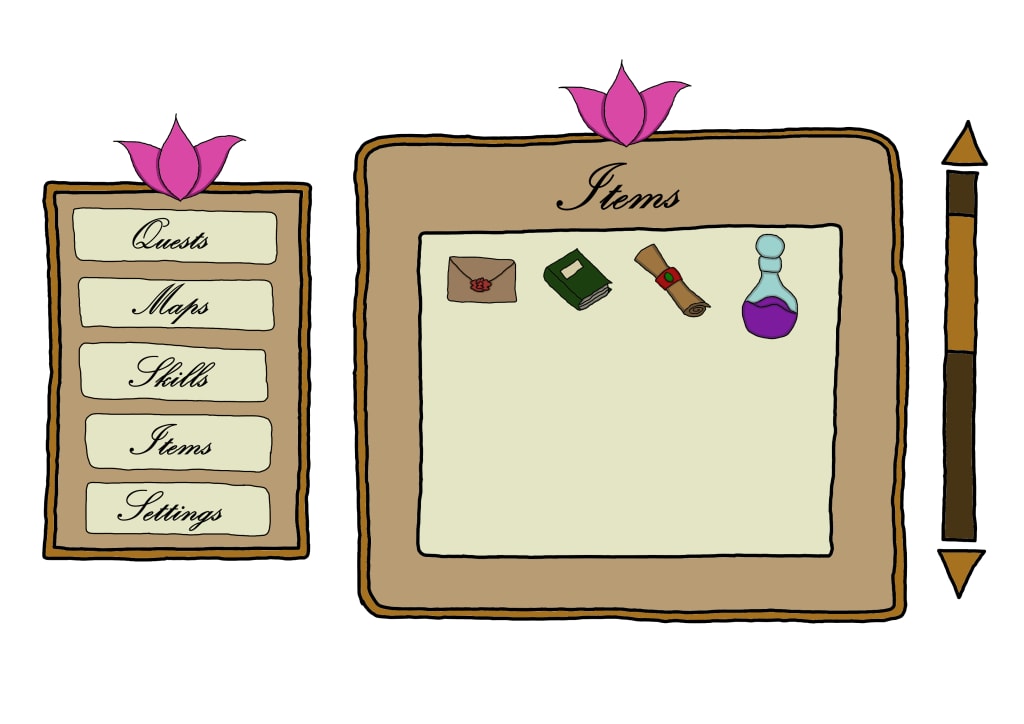
I applied for Game Design, and for that, you could include artwork such as character design, maps, concept pieces, environment art, creature design, prop and weapon design, or UI/UX design. There are so many possibilities to explore.
For my portfolio, I designed my own game and chose that as the central theme. This is just one of the many approaches you could take for your portfolio.
Conclusion
Creating a portfolio is one of the most common ways to apply to art schools. However, some schools give applicants specific tasks to complete within a set time frame. There are also schools that combine both methods. Additionally, some schools, typically private ones, may not require a portfolio at all. Depending on where you live, the process of choosing where to apply can feel overwhelming, especially with the rise of online study programs, which provide even more opportunities to consider.
If there’s one thing to take away from this, it’s to start small, take your time, and have courage. Why? Because this approach helps reduce the feeling of being overwhelmed by the amount of work involved in creating your portfolio and deciding where to apply.
If you’re interested in starting an art career, take the time to figure out which field you want to pursue. I recommend choosing the area that interests you the most, then doing your research. Once you’re clear on your direction, begin working on your portfolio (if required, which is usually the case). Have the courage to start, push through, and don’t be afraid to ask for help along the way.
That being said, thank you for reading until the end. I hope I was able to help you a bit on your way, pursuing your creative path.
blessed be,
Kayla
About the Creator
Kayla Breyanna
Hi there! I'm Kayla, and I love to write about games, game development, cartography, and a little bit about spiritual topics.
Keep reading
More stories from Kayla Breyanna and writers in Art and other communities.
Follow your Creativity
Let’s start off with the ugly Before I begin telling you about the start of my creative path, let me start telling you about the ugly first. What I mean by this is that last summer 2024, I’ve been fired from my job. It was a job I actually liked, so I needed some time to process the news. The reason why I got fired: The company went bust. Things like this happen, and I was one of many who got fired. What does that have to do with starting a creative path? Don’t worry; well, get there. But what I want to share here is that when we lose our current job, it puts us in a situation where we most likely have to start over again.
By Kayla Breyanna11 months ago in Art
A Matter of Coincidence
Tuesday, 3 September 2024 Ayesha Fareed Ahmed, Mirpur Khas Sheeda was a simple and innocent man. One day, he was going to his wife’s village to bring her back. On the way, he saw some donkeys grazing on grass at a certain place. Eventually, he reached his in-laws’ house. His wife’s brother asked him to sit in the guest room.
By Sudais Zakwan4 days ago in Art
How to Succeed at the Benson Directory®
Congratulations and welcome to the Benson Directory® employee #22391! As our newest call handler, you will have the privilege of speaking with dozens of unique and interesting people on a daily basis as well as the opportunity to earn bonuses for high performance. Contained within this handbook you will find a set of ease to follow instructions designed to help you settle in to your new role and begin paving the way to success.
By S. A. Crawford4 days ago in Fiction




Comments (1)
Wonderful tips! Amazing work! I’ll make a portfolio today!