
Timeless Elegance: The Allure and Craftsmanship of Exquisite Jewelry
Timeless Elegance: The Allure and Craftsmanship of Exquisite Jewelry
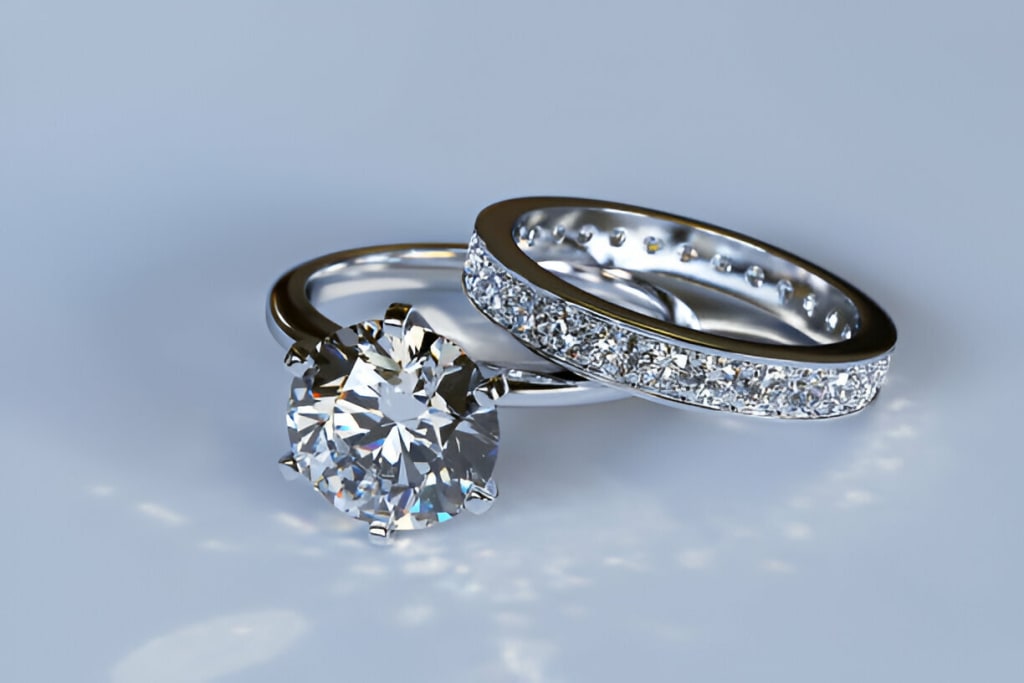
Timeless Elegance: The Allure and Craftsmanship of Exquisite Jewelry
In a world where trends come and go, one element of style remains perpetually captivating: exquisite jewelry. These dazzling pieces are more than mere accessories; they are works of art that tell stories, evoke emotions, and serve as symbols of love, power, and status. The allure of fine jewelry transcends time and culture, capturing the hearts and imaginations of people across the globe. From ancient civilizations to modern fashion runways, jewelry has played a pivotal role in human history, reflecting the artistry and craftsmanship of its makers.
The History and Evolution of Jewelry
Jewelry has been an integral part of human adornment for thousands of years. The earliest known jewelry dates back to around 100,000 years ago, with the discovery of beads made from Nassarius shells. Ancient civilizations such as the Egyptians, Greeks, and Romans adorned themselves with intricate pieces made from gold, silver, and precious gemstones. Each culture had its own unique styles and techniques, often using jewelry to signify status, religious beliefs, and personal identity.
The Egyptians, for example, were known for their elaborate necklaces, bracelets, and rings made from gold and adorned with colorful gemstones like turquoise, lapis lazuli, and carnelian. These pieces were not only decorative but also believed to have protective and magical properties. Similarly, the Greeks and Romans used jewelry to showcase their wealth and social standing, often incorporating mythological motifs and intricate designs.
During the Middle Ages, jewelry became more symbolic, with religious themes dominating the designs. The Renaissance period marked a revival of classical art and culture, leading to an explosion of creativity and innovation in jewelry making. This era saw the introduction of new techniques such as enamel work and the use of gemstones to create intricate and realistic floral designs.
The 19th and 20th centuries brought about significant advancements in jewelry design and manufacturing. The Victorian era, named after Queen Victoria, was characterized by sentimental and romantic pieces, often featuring motifs like hearts, flowers, and lockets. The Art Nouveau movement, which emerged in the late 19th century, embraced flowing lines, natural forms, and a sense of organic beauty. This was followed by the Art Deco period, which introduced bold geometric shapes, vibrant colors, and a sense of modernity that continues to influence contemporary jewelry design.
The Art of Craftsmanship
The creation of exquisite jewelry is a meticulous process that requires a high level of skill, precision, and artistry. Each piece begins with a concept or design, which is often inspired by nature, history, or personal experiences. Jewelry designers use a combination of traditional techniques and modern technology to bring their visions to life.
One of the most important aspects of jewelry making is the selection of materials. Precious metals such as gold, platinum, and silver are commonly used as the foundation for fine jewelry. These metals are prized for their durability, malleability, and timeless appeal. Gemstones, on the other hand, add color, brilliance, and value to a piece. Diamonds, sapphires, rubies, and emeralds are some of the most sought-after gemstones, each with its own unique characteristics and allure.
Once the materials are selected, the process of creating a piece of jewelry involves several steps, including:
1. Designing: The designer sketches the initial concept, taking into consideration the aesthetics, functionality, and wearability of the piece. This stage often involves collaboration with the client or other artisans to refine the design and ensure it meets their vision.
2. Wax Modeling: A wax model of the piece is created to serve as a prototype. This model allows the designer to visualize the final product and make any necessary adjustments before moving forward.
3. Casting: The wax model is encased in a plaster mold and heated until the wax melts away, leaving a cavity in the shape of the jewelry. Molten metal is then poured into the mold to create the basic structure of the piece.
4. Setting Gemstones: Skilled gem setters carefully place each gemstone into its designated setting. This requires precision and expertise to ensure the stones are securely held in place while maximizing their brilliance and beauty.
5. Polishing and Finishing: The final steps involve polishing the metal to a high shine and adding any additional details, such as engravings or enamel work. The piece is then inspected for quality and perfection before being presented to the client.
Iconic Jewelry Houses and Their Masterpieces
Throughout history, certain jewelry houses have distinguished themselves through their exceptional craftsmanship, innovative designs, and dedication to excellence. These iconic brands have created some of the most memorable and coveted pieces of jewelry in the world.
Cartier
Founded in Paris in 1847, Cartier is renowned for its timeless elegance and luxurious creations. The brand has a rich history of crafting exquisite jewelry for royalty and celebrities, earning the nickname "Jeweler of Kings and King of Jewelers." Some of Cartier's most famous pieces include the Love Bracelet, the Trinity Ring, and the iconic Panthère de Cartier collection, which features the brand's signature panther motif.
Tiffany & Co.
Established in 1837 in New York City, Tiffany & Co. is synonymous with sophistication and style. The brand's signature blue box has become an icon of luxury and romance. Tiffany is known for its exceptional diamonds and innovative designs, such as the Tiffany Setting, which revolutionized the way diamonds are set in engagement rings. The company has also created legendary pieces like the Tiffany Yellow Diamond, a stunning 128.54-carat gemstone that has been worn by celebrities such as Audrey Hepburn and Lady Gaga.
Van Cleef & Arpels
Founded in 1906 in Paris, Van Cleef & Arpels is celebrated for its whimsical and poetic creations. The brand is known for its innovative techniques, such as the Mystery Set, which allows gemstones to be set without visible prongs or metal. Van Cleef & Arpels' enchanting designs often draw inspiration from nature, fairy tales, and the ballet, resulting in pieces that are both magical and timeless. Notable collections include the Alhambra, with its signature clover motif, and the Zip Necklace, which can be transformed from a necklace to a bracelet with a simple zip.
Bulgari
Since its founding in 1884 in Rome, Bulgari has been synonymous with bold and vibrant designs. The brand is known for its use of colorful gemstones, geometric patterns, and distinctive Italian flair. Bulgari's creations often feature cabochon-cut stones, which showcase the natural beauty and brilliance of the gems. Iconic pieces include the Serpenti collection, which features snake-inspired designs, and the Parentesi collection, characterized by its interlocking motif.
Harry Winston
Known as the "King of Diamonds," Harry Winston has been a leading name in fine jewelry since 1932. The brand is renowned for its exceptional diamonds and commitment to quality. Harry Winston's masterpieces include some of the most famous gemstones in history, such as the Hope Diamond and the Pink Legacy. The brand's innovative designs and dedication to excellence have made it a favorite among celebrities and royalty alike.
The Emotional and Cultural Significance of Jewelry
Exquisite jewelry holds a special place in the hearts of people around the world. It is often associated with significant life events, such as engagements, weddings, anniversaries, and graduations. These pieces serve as tangible reminders of cherished moments and milestones, passed down through generations as family heirlooms.
In addition to its personal significance, jewelry also plays a crucial role in cultural and religious traditions. In many cultures, jewelry is used to symbolize wealth, status, and social identity. For example, in India, elaborate gold jewelry is an essential part of bridal attire, representing prosperity and marital bliss. In West Africa, traditional beadwork and gold jewelry are worn during ceremonies and celebrations to honor ancestors and signify cultural heritage.
Jewelry also serves as a form of self-expression, allowing individuals to showcase their unique style and personality. Whether it's a statement necklace, a pair of elegant earrings, or a timeless bracelet, each piece of jewelry tells a story and reflects the wearer's identity and taste.
Conclusion
The world of exquisite jewelry is a captivating realm where artistry, craftsmanship, and emotion intertwine to create timeless masterpieces. From the ancient civilizations that first adorned themselves with beads and shells to the iconic jewelry houses that continue to set trends and push boundaries, jewelry remains a powerful symbol of beauty, status, and personal significance.
As we continue to cherish and celebrate these dazzling creations, we are reminded of the enduring allure and magic of fine jewelry. Each piece, whether a family heirloom or a contemporary design, holds the power to evoke emotions, tell stories, and connect us to our past, present, and future. In the ever-evolving world of fashion and style, exquisite jewelry remains a beacon of timeless elegance and enduring charm.
About the Creator
Smart phones, Humans and Aliens.
WARNING. I will be tapping into one of your favorite creative tensions: The absurdity of humans worshipping their glowing rectangles as if they were tiny oracles. There’s something deliciously poetic about that contradiction, and it lends itself beautifully to an instructive proviso.
By Novel Allen4 days ago in Poets


Comments
There are no comments for this story
Be the first to respond and start the conversation.