
The Ultimate Guide to Building Effective Exhibition Stands: Strategies for Success
Exhibition stand design should strike a balance between creative appeal and practical usability.


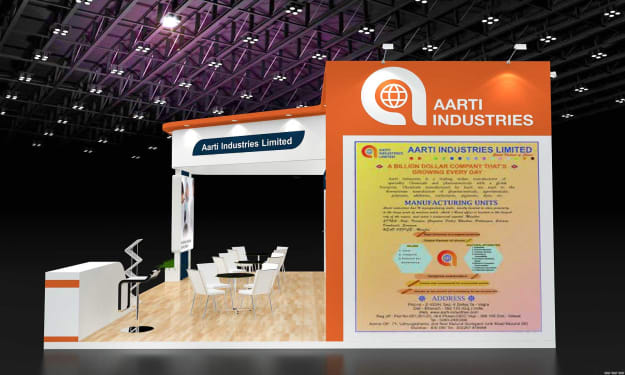
In the fast-paced world of trade shows and exhibitions, businesses have a unique opportunity to showcase their products and services. A well-crafted exhibition stand is not just a structure but a strategic asset that can boost brand awareness, attract potential customers, and create lasting impressions. For businesses looking to make an impact at these events, understanding the process of building a stand is essential.
This guide walks through the key aspects of designing, constructing, and optimizing an exhibition stand, from the initial concept to managing logistics, helping businesses maximize their investment in trade shows.
Defining the Purpose of Your Exhibition Stand
Before jumping into the design and construction process, it's crucial to clearly define the purpose of your exhibition stand. A successful stand isn’t just about aesthetics but also about effectively communicating your brand’s message and engaging your target audience. Ask yourself:
- What is the main goal of your participation? (e.g., increasing brand awareness, generating leads, or launching a product)
- Who is your target audience? (e.g., industry professionals, consumers, or investors)
- What kind of experience do you want to offer visitors? (e.g., interactive, informative, or entertaining)
By answering these questions, you can ensure that the design and functionality of your stand align with your marketing goals.
The Design Process: Blending Creativity with Functionality
Exhibition stand design should strike a balance between creative appeal and practical usability. A visually stunning design will attract attention, but a functional layout ensures your stand serves its purpose effectively during the event.
A. Conceptualizing the Design
Start by generating concepts that embody the essence of your brand. Consider factors like color schemes, materials, and overall aesthetics that align with your brand’s messaging. For example, a company focused on sustainability might incorporate eco-friendly materials and minimalistic designs to reinforce its environmental commitment.
B. Optimizing the Space
Effective space planning is essential for making the most of your exhibition stand. Think about how you want visitors to move through the space and interact with your products or services. Key areas to plan include:
Reception/Interaction zones: Where initial engagement with visitors takes place, such as a reception desk or demonstration area.
Meeting spaces: Private or semi-private areas for business discussions.
Storage areas: Hidden compartments to store marketing materials and supplies discreetly.
A well-organized layout ensures smooth visitor flow and makes the space more user-friendly.
C. Incorporating Lighting and Technology
Lighting is a key element that enhances your stand’s appeal. Use LED lights to highlight important products or create a specific ambiance that reflects your brand’s personality.
Incorporating technology like digital displays, interactive screens, or virtual reality experiences can also help engage visitors and create memorable interactions.
Selecting the Right Type of Exhibition Stand
Exhibition stands come in various types, each offering distinct benefits. Choosing the right stand type depends on the event’s scale, your objectives, and your budget.
A. Modular Stands
These flexible stands can be customized and reused for multiple events. They are easy to transport and assemble, making them ideal for companies attending numerous trade shows. Their scalability also makes them a cost-effective option for businesses with smaller budgets.
B. Custom-Built Stands
For companies seeking a unique and impactful presence, custom-built stands offer complete creative freedom. While more expensive than modular stands, they provide a tailored experience that can significantly differentiate your brand. Custom stands are perfect for making bold statements or launching new products.
C. Portable Stands
Portable stands, such as pop-up banners or lightweight displays, are suitable for smaller events or companies with limited resources. These stands are easy to set up and dismantle, offering a professional presence at a lower cost.
Budgeting for Your Exhibition Stand
Setting a clear budget early on is vital to avoid overspending and ensure that your stand meets all essential requirements.
A. Cost Considerations
Design and construction: This includes the materials, labor, and any custom fabrication.
Technology integration: Factor in costs for AV equipment, interactive displays, and software.
Logistics and transportation: Costs will vary based on the size, complexity, and distance to the event.
On-site expenses: Include booth staffing, utilities like Wi-Fi and electricity, and any additional operational costs.
B. Balancing Cost with Quality
While it’s tempting to cut costs, investing in high-quality design and engagement technologies can increase the effectiveness of your stand. Modular stands offer a great balance, as they can provide a polished look while being cost-efficient and reusable.
Working with Exhibition Contractors
Once your stand design is finalized, it’s time to work with professional exhibition contractors to bring it to life. A reliable contractor can ensure your stand is constructed efficiently and to your specifications.
A. Choosing the Right Contractor
Select a contractor with experience in building exhibition stands similar to what you have envisioned. Ask for examples of previous work, case studies, and client references to ensure you’re working with a qualified team.
B. Collaboration During the Build
Keep communication open throughout the build process. Regular updates and feedback loops will help ensure the project stays on track and any potential issues are addressed early.
C. Installation and Dismantling
Exhibition contractors typically handle the transportation, installation, and dismantling of the stand. Clear logistical planning ensures that the booth is ready before the event starts, and teardown is efficient once the event ends.
Logistics and Transportation
Transporting an exhibition stand, especially custom-built or larger stands, requires careful logistical planning. Key considerations include:
Transport mode: Depending on the event’s location, you may need truck transport, shipping, or air freight.
Packaging: Ensure that all stand components are safely packed to avoid damage in transit.
Customs and permits: For international events, ensure all paperwork and customs permits are in place.
Starting logistics planning early helps avoid costly delays and ensures a smooth setup.
Executing on the Day: Maximizing Impact
On the day of the exhibition, your focus shifts from construction to execution. The stand is built, but its success will depend on how you engage visitors and make the most of the space.
A. Training the Booth Staff
Your staff is the face of your brand at the event, so training them on product knowledge, brand messaging, and effective customer interaction is essential. Well-prepared staff can significantly enhance visitor engagement.
B. Creating Engagement Opportunities
Interactive experiences, such as live product demonstrations, presentations, or giveaways, can draw more visitors to your stand. These engagement tactics not only attract attention but also make your brand more memorable.
C. Post-Event Follow-Up
Collecting visitor information is just the beginning. Timely and personalized follow-ups after the event are crucial for converting leads into clients. Use CRM tools to organize contacts and develop outreach campaigns that resonate with your audience.
Sustainability in Stand Building
With growing awareness of sustainability, many companies are looking for ways to reduce the environmental impact of their exhibition stands. Some sustainable practices include:
Eco-friendly materials: Use recycled, biodegradable, or sustainably sourced materials in the construction of your stand.
Energy-efficient lighting: LED lights are both eco-friendly and cost-effective.
Modular designs: Reusing modular stands for multiple events reduces waste and minimizes environmental impact.
A sustainable approach not only helps the planet but can also improve your brand’s reputation, as many customers appreciate companies that prioritize eco-friendly practices.
Conclusion
Building an exhibition stand requires thoughtful planning, from defining objectives and selecting the right design to managing logistics and engaging with visitors. By considering each step carefully and working with experienced contractors, such as an exhibition stand builder in Essen, businesses can create exhibition stands that attract attention, communicate their brand’s message, and deliver tangible results. Whether opting for a modular or custom-built stand, attention to detail in both design and execution is key to success. In a crowded exhibition hall, a well-planned stand can make your brand stand out and leave a lasting impression on potential clients and partners.
About the Creator
Ava Martin
I am Ava Martin, working as an employee at MizoGlobal, I specialize in creating exceptional exhibition experiences.
Keep reading
More stories from Ava Martin and writers in Art and other communities.
Exhibition Stand Builders: The Foundation of Trade Show Success
In today's competitive business landscape, trade shows serve as pivotal platforms for showcasing products, building brand awareness, and forming new business relationships. However, the heart of any successful trade show presence lies in a well-designed exhibition stand that not only grabs attention but also communicates the brand's message clearly. This is where the expertise of an exhibition stand builder becomes indispensable.
By Ava Martinabout a year ago in Art
2026 Commercial Space Design:How Fbierglass Sculpture Drives Traffic
Today, offline commercial spaces are facing continuous pressure. With e-commerce offering convenient and fast services, physical stores must showcase unique features to attract customers. In this context, fiberglass sculptures are no longer merely decorative items; they have become visual focal points in shopping malls, brand stores, pop-up shops, and mixed-use commercial projects, playing a crucial role in increasing foot traffic.
By Shenzhen Ruiheng Crafts7 days ago in Art
Why Strategic Branding Is Essential for Long-Term Business Growth
In today’s fast-paced digital environment, businesses face constant pressure to stand out. Consumers are exposed to endless choices every day, making attention harder to earn and trust harder to keep. While quality products and services are important, they are no longer the only factors that determine success. Strategic branding plays a key role in helping businesses grow steadily and remain relevant over time.
By Ayush Bagwari7 days ago in Art



Comments
There are no comments for this story
Be the first to respond and start the conversation.