
The Sacred Feminine in the Myth of Melusina: A Journey through Art, Myth, and Renewal
On the evening of 17 December 2024, an extraordinary event took place at the Piccolo Teatro San Paolo in Rome. The theatrical play "Melusina e Raimondino," written and directed by the talented Antonella Pagano, offered the audience an experience of rare emotional and cultural intensity. More than just a theatrical performance, this production succeeded in blending art, myth, poetry, music, and dance into a polyphonic narrative that deeply explored the theme of the sacred feminine—a regenerative and vital force often relegated to the margins in contemporary society.
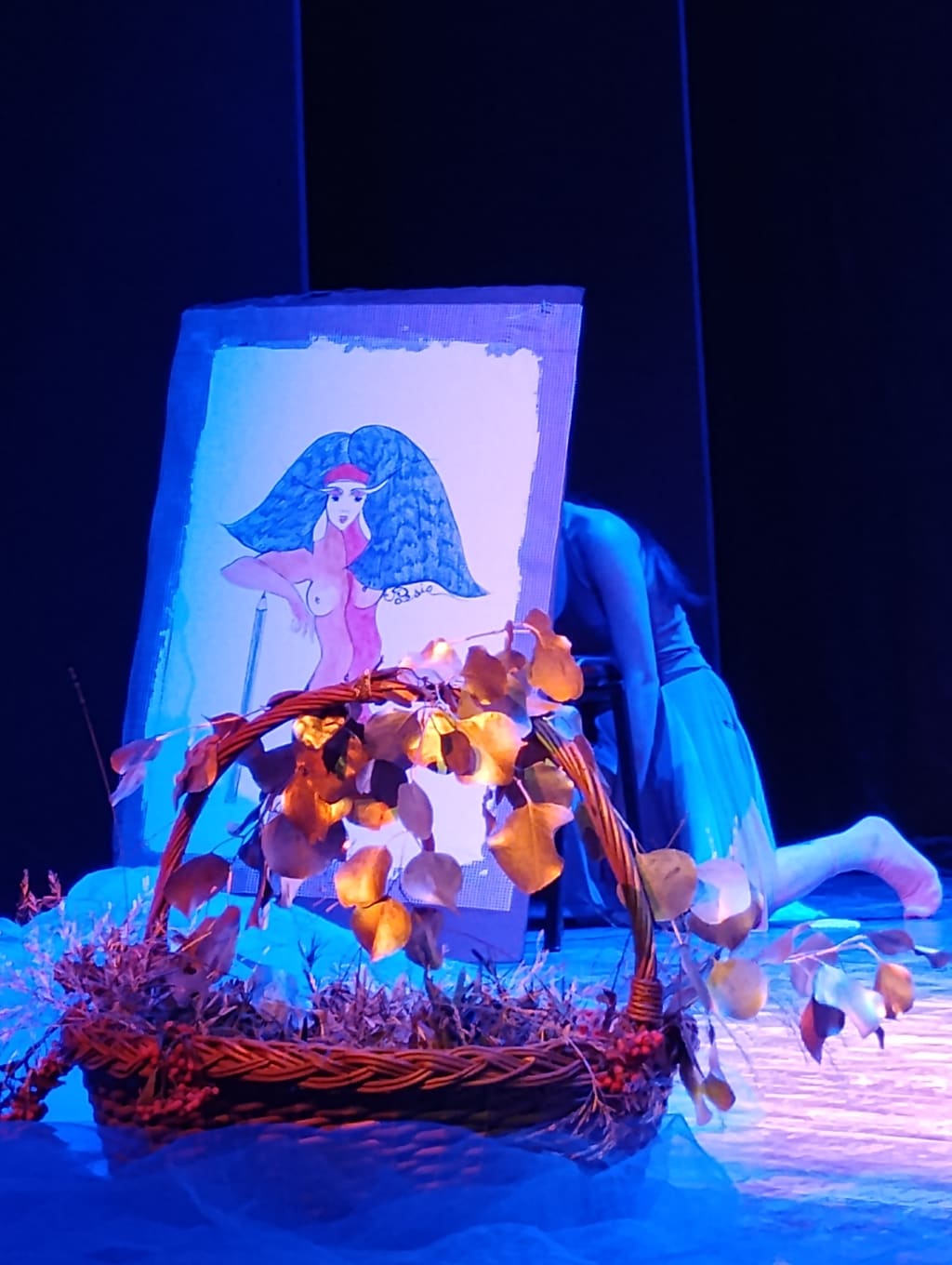
Melusina: A Mythological Figure of Extraordinary Power
Melusina, an enigmatic figure from medieval mythology, embodies the duality of being: her nature, half-human and half-serpentine, encapsulates a constant tension between opposites. This dualism forms the beating heart of the play, inviting viewers to reflect on the balance between light and shadow, order and chaos, the human and the divine. Pagano skilfully modernised this myth, transforming it into a powerful and necessary metaphor for our times, where the feminine principle must be recognised and re-evaluated as an essential element of harmony and regeneration.
The serpent, an archaic symbol of transformation, knowledge, and cyclicality, was strongly evoked through the scenography and dance. Through the fluid movements of Claudia Pompili, who portrayed Melusina in a suggestive choreographic performance, the audience could perceive the life cycle and nature’s continual capacity for renewal. Complementing this symbolism was the figure of the cat, an equally potent emblem of the sacred feminine: mysterious, independent, yet deeply tied to the dimensions of the sacred and the unknown.
A Multidimensional Narrative
The impeccably orchestrated narrative presented three distinct interpretations of Melusina, each embodying a different aspect of the mythological protagonist:
Antonella Pagano, as the narrating Melusina, delivered an intense performance, combining poetry and prose with a voice that seemed to echo from a distant past. Her narration served as the connecting thread that bound together the various components of the performance.
Monica Marziota, an Italian-Cuban soprano, and Jaquelina Barra, an Italian-Argentine composer, created a soundtrack that oscillated between lyricism and modernity. Their music enveloped the audience, transporting them to another dimension and making the evocative power of the myth palpable.
Bruce Payne, as Raimondino, portrayed the masculine in crisis yet open to transformation. Through his performance, the audience witnessed an inner journey leading to harmony with the feminine. Payne, renowned for his theatrical and cinematic roles, brought psychological depth to the character, showcasing the complexities of a man confronting his vulnerabilities and the need to integrate the feminine principle into his existence.
The Power of Symbolism on Stage
One of the most fascinating elements of the production was the masterful use of symbolism in costumes and set design. Notably, the narrating Melusina’s dress, made of bubble wrap, served as a clear call to protect our planet. This detail transformed the stage into a visual manifesto against environmental destruction and the wounds inflicted on the feminine principle, both in nature and society.
The set designs, enriched by frescoes created by Pagano herself and floral compositions by Giulia Caianiello, immersed the audience in a fairytale-like and symbolic universe, where every element spoke of transformation, beauty, and hope.
A Message of Renewal and Hope
With "Melusina e Raimondino," Antonella Pagano offered much more than a theatrical performance: she created a collective rite, an invitation to reconnect with the sacred and the transformative power of art. In an era marked by divisions and conflicts, the myth of Melusina becomes both a warning and a promise: it is possible to rediscover balance and harmony through beauty, memory, and recognition of the feminine as a creative and harmonising force.
The evening concluded with a final toast accompanied by Melusina wine—a symbolic gesture sealing a moment of collective sharing and celebration.
"Melusina e Raimondino" was not merely a theatrical production but a spiritual journey, a call to rediscover the myths and symbols that unite us, and a path towards a future where beauty and respect can finally return to the heart of our existence.
About the Creator
Keep reading
More stories from Maddalena Celano and writers in Art and other communities.
A Unique Event in Rome: The Russian House Celebrates Giacomo Puccini and His Connection with Russian Stages
An Exclusive Insight into Puccini's Russian Connections The event will feature Mikhail Bryzgalov, director of the prestigious Russian National Museum of Music, who will guide attendees on a fascinating journey through the relationship between Puccini and Russia. Bryzgalov will reveal previously unknown details about an artistic collaboration that transcended borders and cultures.
By Maddalena Celanoabout a year ago in Art
The Best Philosophy in the World Is the One You Can Live
Ask ten philosophers what the best philosophy in the world is, and you will receive at least ten different answers—possibly delivered with footnotes, counterarguments, and mild contempt for the other nine. This disagreement is not a flaw of philosophy; it is its essence. Philosophy was never meant to be a universal prescription handed down like a rulebook. It exists to help human beings live better lives. By that standard, the best philosophy in the world is not the most elegant or complex—it is the one that can be lived.
By Fred Bradford4 days ago in Art
The River and the Drops
High in the mountains, where no one watched and no one applauded, tiny drops of water slipped from melting snow. Each drop was small, almost invisible, and carried a quiet fear within itself. They began their journey without knowing where they were going, only knowing that they were moving away from where they began.
By Sudais Zakwan7 days ago in Art
A Dart at Dusk
Seconds ago, the sullen sun set on the two of us… my exuberant furry companion and me. A fresh breeze embraces us, delivering welcome relief from the day’s oppressive heat. His typical stumbling and staggering along — apace with a sloth — has turned into trip-trapping, high-stepping, almost skipping along.
By Angie the Archivist 📚🪶6 days ago in Petlife


Comments
There are no comments for this story
Be the first to respond and start the conversation.