
the role of art in our lives
six importance of art in our social life
The Transformative Role of Art in Our Lives
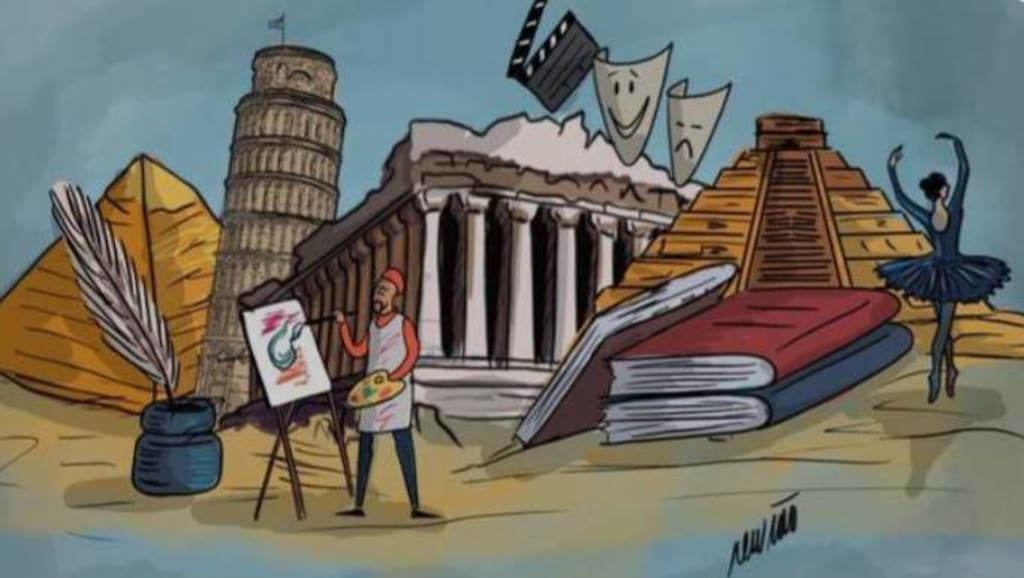
Art, in its myriad forms, has been an integral part of human civilization for millennia. From the cave paintings of our distant ancestors to the digital masterpieces of today, art has not only served as a medium of self-expression but has also played a multifaceted role in shaping our perception of the world, enriching our emotional experiences, and fostering cultural, social, and personal growth. Its significance goes beyond aesthetics, as it holds the power to provoke thought, evoke emotions, and inspire change. In a world driven by practicality and efficiency, the role of art in our lives remains essential, offering a diverse range of contributions that impact our individual and collective existence.
A Lens for Perceiving Reality
Art acts as a lens through which we perceive and interpret reality. Artists have an innate ability to capture the essence of their surroundings and internal worlds, presenting them in ways that challenge and expand our perspectives. This ability to see the world from different angles invites us to question our assumptions and broaden our horizons. Art often delves into the complexities of human experience, addressing universal themes such as love, loss, identity, and purpose. Through these explorations, art invites us to empathize with others and gain insights into the diverse array of human emotions and experiences, fostering a deeper understanding of our shared humanity.
Emotional Enrichment and Catharsis
Art possesses the remarkable capacity to stir emotions within us, offering an avenue for catharsis and emotional release. Whether it's a haunting melody, a powerful dance performance, or a thought-provoking painting, art has the potential to evoke a wide range of emotions, from joy and awe to sadness and contemplation. This emotional resonance is cathartic, allowing individuals to process their feelings and find solace in the midst of life's challenges. Moreover, art provides a safe space to explore complex emotions that might otherwise be difficult to express, offering a therapeutic outlet for both creators and consumers.
Cultural and Social Reflection
Art is a mirror that reflects the cultural and social contexts of its time. Throughout history, art has been used as a means to document historical events, societal norms, and cultural shifts. It acts as a record of human progress, capturing the essence of different epochs and preserving them for future generations. Art has the power to challenge prevailing ideologies, spark important conversations, and advocate for social change. From the Renaissance period challenging the dogma of the Church to contemporary art addressing issues like inequality and climate change, artists have often been at the forefront of pushing boundaries and advocating for justice.
Personal Growth and Self-Discovery
For both creators and enthusiasts, engagement with art is a journey of personal growth and self-discovery. Creating art allows individuals to tap into their innermost thoughts, express their unique perspectives, and connect with their subconscious minds. It encourages experimentation, risk-taking, and the development of problem-solving skills. The process of creation, whether it's painting, writing, or performing, can be meditative and introspective, enabling individuals to better understand themselves and their place in the world.
Inspiration and Innovation
Art has a symbiotic relationship with innovation. The creative process often involves thinking outside the box, breaking established norms, and exploring new possibilities. This spirit of innovation extends beyond the artistic realm and influences various fields, including science, technology, and business. Innovators and entrepreneurs often draw inspiration from art's unconventional approaches, adapting them to solve real-world problems. The interplay between art and innovation is particularly evident in fields like design, where aesthetics and functionality converge to create products that enhance our lives.
Aesthetic Joy and Beauty
While art serves numerous intellectual and emotional functions, it also provides us with a simple yet profound pleasure: the joy of experiencing beauty. Whether it's the harmonious lines of a sculpture, the vibrant hues of a painting, or the melodic arrangement of notes in music, art has the ability to uplift our spirits and bring moments of serenity and delight into our lives. This aesthetic pleasure not only nourishes our senses but also reminds us of the beauty that exists in the world, even amidst its challenges.
In conclusion, the role of art in our lives is multifaceted and deeply enriching. It provides us with lenses to perceive the world differently, a means to process and understand our emotions, a reflection of our culture and society, a catalyst for personal growth, a source of inspiration and innovation, and a wellspring of aesthetic joy. In a fast-paced and often chaotic world, art offers a sanctuary for reflection, introspection, and connection. Its enduring significance lies in its ability to transcend boundaries, bridge gaps, and touch the core of our shared humanity. As we navigate the complexities of modern life, let us continue to embrace and celebrate the transformative power of art
About the Creator
Keep reading
More stories from Khaoula Boukefoussa and writers in Art and other communities.
the role of art in our lives
The Transformative Role of Art in Our Lives Art, in its myriad forms, has been an integral part of human civilization for millennia. From the cave paintings of our distant ancestors to the digital masterpieces of today, art has not only served as a medium of self-expression but has also played a multifaceted role in shaping our perception of the world, enriching our emotional experiences, and fostering cultural, social, and personal growth. Its significance goes beyond aesthetics, as it holds the power to provoke thought, evoke emotions, and inspire change. In a world driven by practicality and efficiency, the role of art in our lives remains essential, offering a diverse range of contributions that impact our individual and collective existence.
By Khaoula Boukefoussa2 years ago in Art
2026 Commercial Space Design:How Fbierglass Sculpture Drives Traffic
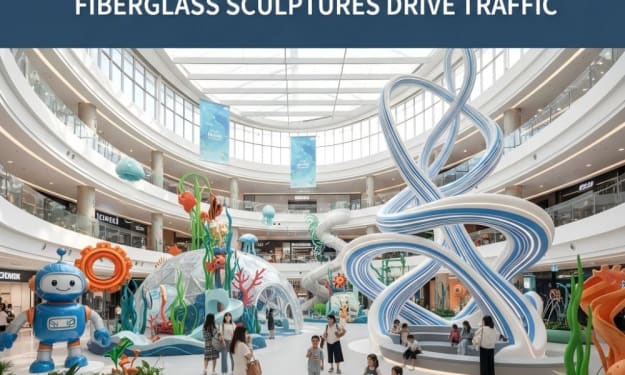
Today, offline commercial spaces are facing continuous pressure. With e-commerce offering convenient and fast services, physical stores must showcase unique features to attract customers. In this context, fiberglass sculptures are no longer merely decorative items; they have become visual focal points in shopping malls, brand stores, pop-up shops, and mixed-use commercial projects, playing a crucial role in increasing foot traffic.
By Shenzhen Ruiheng Crafts2 days ago in Art
Why Strategic Branding Is Essential for Long-Term Business Growth
In today’s fast-paced digital environment, businesses face constant pressure to stand out. Consumers are exposed to endless choices every day, making attention harder to earn and trust harder to keep. While quality products and services are important, they are no longer the only factors that determine success. Strategic branding plays a key role in helping businesses grow steadily and remain relevant over time.
By Ayush Bagwari2 days ago in Art



Comments
There are no comments for this story
Be the first to respond and start the conversation.