
The Rise and Relevance of Modern Art in Contemporary Culture
Explore the impact of modern art in today's culture. Discover its rise, influence, and relevance in shaping contemporary society and trends.

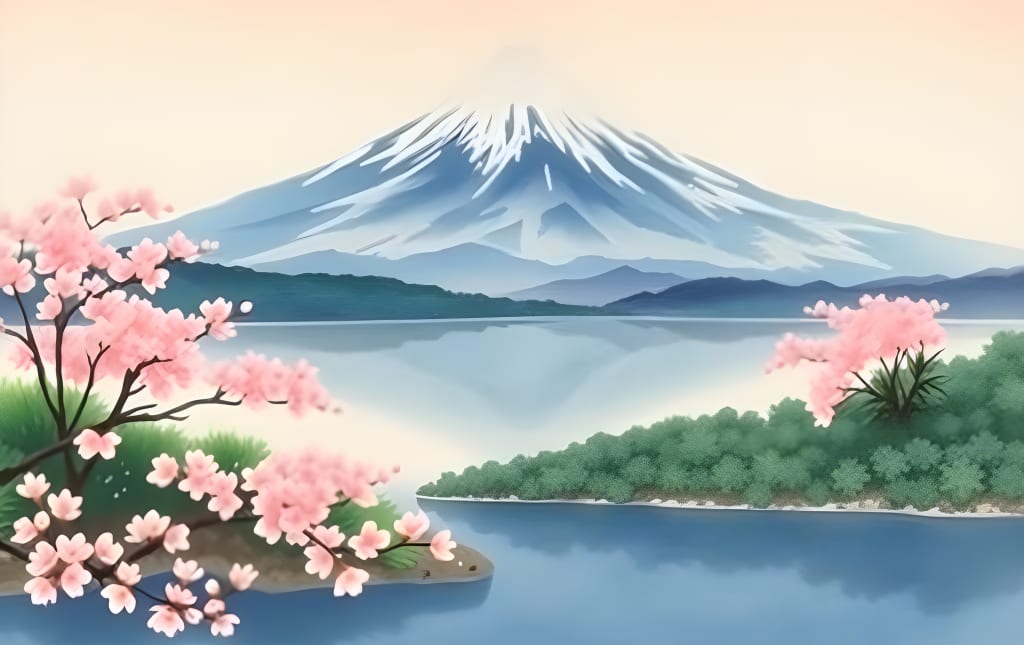
The Rise and Relevance of Modern Art in Contemporary Culture
Modern art, often misunderstood and sometimes dismissed as chaotic or overly abstract, has significantly shaped the way we perceive creativity, culture, and innovation in today’s world. Unlike classical art forms that emphasized realism and representation, modern art breaks the traditional molds to explore emotion, symbolism, and conceptual depth. It challenges viewers to look beyond the surface and invites them to participate in interpretation, making each experience unique.
Defining Modern Art
Modern art refers to artistic works produced during the period extending roughly from the 1860s to the 1970s. It encompasses a wide range of movements including Impressionism, Cubism, Surrealism, Abstract Expressionism, and more. Artists like Pablo Picasso, Henri Matisse, Jackson Pollock, and Frida Kahlo revolutionized the art world by experimenting with new techniques, forms, and ideas. They sought to reflect a rapidly changing society through their creations, often drawing upon personal experiences, psychological exploration, and political expression.
The Evolution and Impact
As societies industrialized and global events like World Wars and technological revolutions occurred, modern art evolved to capture the complexities of these changes. Instead of portraying idealized subjects, modern artists sought to mirror the chaos, disillusionment, and hope of their times. They used bold colors, fragmented forms, and unconventional materials to create works that were often controversial but undeniably impactful.
The influence of modern art extends beyond galleries and museums. It has seeped into advertising, fashion, architecture, and digital media. Concepts pioneered by modern artists have become foundational to contemporary design and aesthetics, such as minimalism, abstraction, and the power of negative space.
Modern Art in the Digital Age
In the current digital era, modern art continues to inspire new generations of creators. Online platforms allow for global exposure, and digital tools offer endless opportunities for experimentation. From NFTs to virtual exhibitions, modernist principles are being reimagined through technology.
Moreover, the democratization of art through social media means that artists no longer need traditional gatekeepers to share their vision. This opens the door for more diverse voices and styles to enter the mainstream, continuing the modern art legacy of pushing boundaries and challenging norms.
Conclusion
Modern art remains a vital force in the cultural landscape. It invites curiosity, fosters dialogue, and compels us to question our perceptions of reality. Whether you’re an art aficionado or a casual observer, understanding modern art offers valuable insights into history, emotion, and the endless possibilities of human creativity.
About the Creator
Smyrna
🎨 Smyrna is a Artist. Storyteller. Dreamer. Smyrna blends visual art, fiction, and graphic design into vibrant narratives that spark curiosity and emotion. Follow for surreal tales, creative musings, and a splash of color in every post.
The River and the Drops
High in the mountains, where no one watched and no one applauded, tiny drops of water slipped from melting snow. Each drop was small, almost invisible, and carried a quiet fear within itself. They began their journey without knowing where they were going, only knowing that they were moving away from where they began.
By Sudais Zakwan7 days ago in Art



Comments
There are no comments for this story
Be the first to respond and start the conversation.