
The Psychology of Colors: Understanding How Color Affects Mood and Behavior
Explore the Emotional Impact of Colors and How They Shape Our Perceptions, Choices, and Interactions
The Psychology of Colors: How Color Affects Mood and Behavior
Colors have deep effects on the human psyche and influence our thoughts, emotions, and behaviors. From how we decorate our houses to how we brand our businesses, colors become a very large part of shaping our experiences with the world at large. Understanding the psychology of colors allows us to make better decisions in our daily lives and professional practices-to know the right color for our walls and even which will work best in marketing.
How Colors Influence Emotions
Colors influence people emotionally, often drawing from cultural meanings, personal experiences, and inherent associations. Here's how different colors affect mood and behavior:
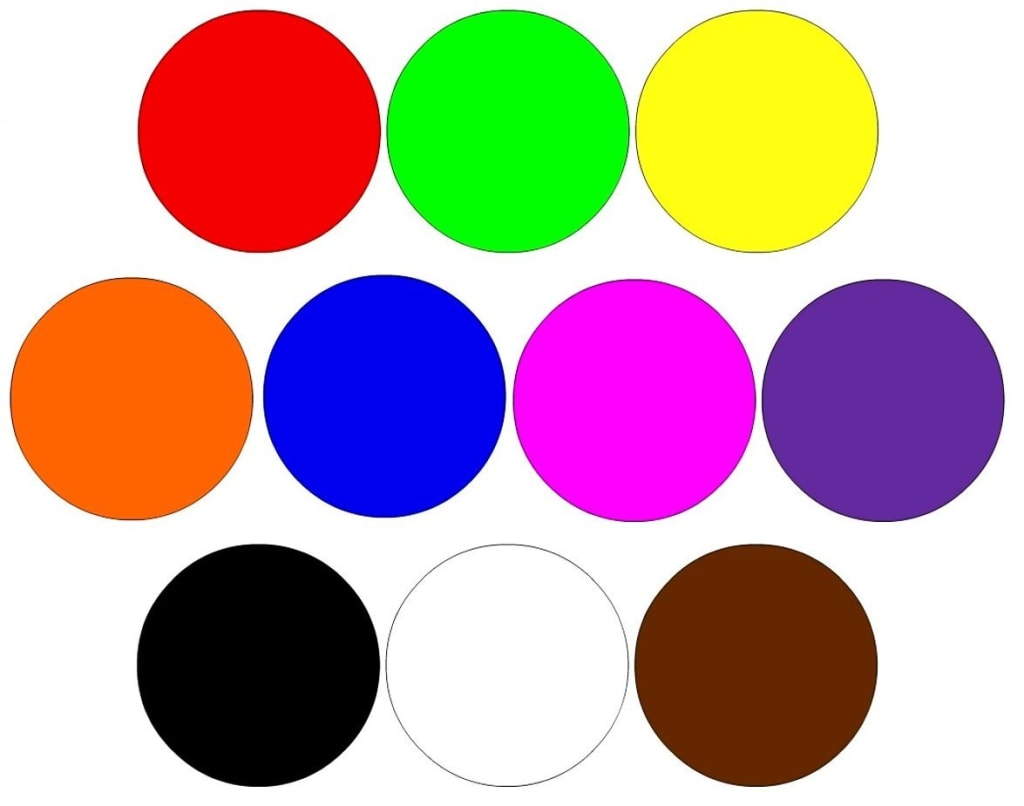
1. Red: Passion and Energy
Red is a vibrant and bold color which has been mostly related to passion, energy, and urgency. It can trigger raw emotional movements from excitement to rage. In most cultures, red is the color of love, warmth, and desire, but sometimes it could also signal danger or warning or anger.
Psychological effects
Triggers the adrenal glands, a raise in heart rate and pressure
It is normally associated with excitement, urgency, or even anger.
Can stimulate appetite, so it is a favorite color in restaurants and kitchens
How to apply it:
In advertising: Red is often used to attract attention and provoke impulsive decisions, so it is great for sales, promotions, and clearance signs.
In interior design: Red can be used sparingly to create an energetic atmosphere, but too much of it can cause irritation or stress.
2. Blue: Calm and Trust
Blue is commonly seen as an calming, soothing color. It helps in developing a sense of relaxation and serenity. This color often gets identified with the sky and sea, both naturally calm and expansive. In fact, in most societies, blue symbolizes trust, loyalty, and professionalism.
Psychological effects:
Induces a feeling of calmness, serenity, and peace
Reduces heart rate and blood pressure
Develops concentration and mental acuteness
How to use it:
In advertising: Blue is very commonly used by banks, tech companies, and healthcare providers in order to be perceived as safe and reliable.
In interior design: Light blues can create a soothing atmosphere for bedrooms or bathrooms, while deeper blues can convey sophistication in a living room or office.
3. Yellow: Hope and Inspiration
Yellow is one of the most vivid, optimistic colors that elicit happiness and optimism. Yellow symbolizes sunshine and is associated with a good feeling. In excessive amounts, however, it may be overpowering and result in anxiety or frustration.
Psychological effects
Raises mood and promotes mental activity
Increases energy levels and gives the impression of being optimistic
Enhances concentration and creativity
How to use it:
In advertising: Yellow is used in several ads and logo designs to attract attention and create cheerful emotions.
In interior design: Yellow is good for kitchens, offices, or spaces that look for areas of creativity and energy. Just be careful with the shade—the stronger the yellow, the more overstimulated.
4. Green: Balancing and Growth
Green is always associated with nature, growth, and balance. It provides feelings of relaxation, renewal, and harmony. Green is also related to health, healing, and fertility. It is very much used in the health sector industries.
Psychological effects:
Helps people to relax and reduces stress
Promotes healing and rejuvenation
Represents growth, balance, and renewal
How to apply it:
Marketing: It is mostly applied by companies working towards sustainability, health, and the environment as they represent such values.
Interior designing: Green gives the living rooms, bedrooms, or rooms where one relaxes a soothing ambience. Also, it could be used to boost productivity in a home office, thus, creating a focal point.
5. Orange: Energy and Enthusiasm
Orange is one of the liveliest, most energetic colors. It comes from the mixing of red for warmth and yellow for cheeriness. It gives an impression that can be closely associated with social activity, sociability, or fun. It stimulates excitement for fun and playfulness but at the same time, it becomes too much in some cases due to its vibrancy.
Psychological effects:
Promotes sociability and social communication
Awakens creativity and enthusiasm
Suggests warmth, optimism, and excitement
How to apply:
In advertising: Orange is utilized for promotional campaigns, food brand advertisement, and entertaining events.
In interior designing: Orange is applied to a living room or an activity room for energetic creativity, though this must be balanced by neutral shades so that overstimulation will not be seen. 6. Purple: Luxury and Spirituality
Purple has been associated with royalty, luxury, and spiritual awareness for centuries. In the past, purple was a color worn by kings and queens because of the rarity and cost of purple dye. Today, it still symbolizes elegance, creativity, and wisdom.
Psychological effects:
Luxury, sophistication, and creativity
Spirituality, intuition, and mystery
Stimulates deep thinking and introspection
How to use it:
In advertising: Purple is often used by brands targeting high-end consumers or those in creative industries.
In interior design: Purple can add a touch of luxury to bedrooms or living rooms. Lighter purples can create a calming and relaxing atmosphere, while darker purples add drama and elegance.
7. Black: Power and Sophistication
Black is a strong and flexible color, often associated with something classic, refined, classy, or powerful. It can express formality and strength and often depicts fashion or luxury goods in branding. However, if overused, it might give off feelings of darkness, sorrow, or fear.
Psychological effects:
Conveys power, sophistication, and authority
May bring mystery or secrecy
Fosters concentration and minimalism
How to use it:
In advertising: Black is used by high-end fashion, luxury brands, and tech industries to symbolize elegance and class.
In interior design: Black can be a modern and sleek look in any room but used sparingly. It works great in contrast to lighter colors that add depth and drama.
Role of Color in Branding and Marketing
Color psychology is one of the key factors in branding and marketing. Businesses select their brand colors to communicate their values, evoke the desired emotions, and create a strong association with their products or services. For instance, fast-food chains usually use red and yellow in their branding to stimulate appetite and excitement, while tech companies opt for blue to convey trust and reliability.
Conclusion
The psychology of colors is a strong tool that has an influence on how we see and interact with the world. From the clothes we wear to the environments we create and the brands we trust, colors play a deep role in our emotions, thoughts, and behaviors. Understanding the psychology of colors allows us to harness their power to improve our well-being, enhance our productivity, and make more informed decisions in our personal and professional lives. Whether you’re designing your home, choosing a logo for your business, or simply trying to create a positive atmosphere, remember that color can speak louder than words.
About the Creator
Hariprasad
Passionate writer exploring the intersection of technology, geopolitics, and nature. Sharing insights on AI, global dynamics, and the beauty of our planet to inspire curiosity and meaningful conversations.
Keep reading
More stories from Hariprasad and writers in Art and other communities.
Herbal Remedies in Ayurveda: Natural Solutions for Holistic Health
Ayurveda, the ancient system of medicine originating from India, emphasizes balance in the body, mind, and spirit. It utilizes natural remedies, including herbs, to support health, prevent illness, and promote overall wellness. Herbs play a vital role in Ayurvedic healing, offering therapeutic benefits for a wide range of conditions. Here are some popular herbal remedies in Ayurveda and their uses:
By Hariprasad12 months ago in Art
The River and the Drops
High in the mountains, where no one watched and no one applauded, tiny drops of water slipped from melting snow. Each drop was small, almost invisible, and carried a quiet fear within itself. They began their journey without knowing where they were going, only knowing that they were moving away from where they began.
By Sudais Zakwan6 days ago in Art
Rachel Reviews: The Spiral Archive by Pieter Hendrik
It's difficult for me to know where to start with a review of this book as it was, for me, an entirely unique experience and one that I'll probably never have again. I don't want that to be interpreted as unenjoyable but it has left me scratching my head a little and ruminating on its content, its themes and its characters.
By Rachel Deemingabout 6 hours ago in BookClub




Comments
There are no comments for this story
Be the first to respond and start the conversation.