
The Play Economy: Strategic Analysis of the Global Toys Market
Innovation, Licensing, and Digital Integration Reshaping Growth Across Generations of Play

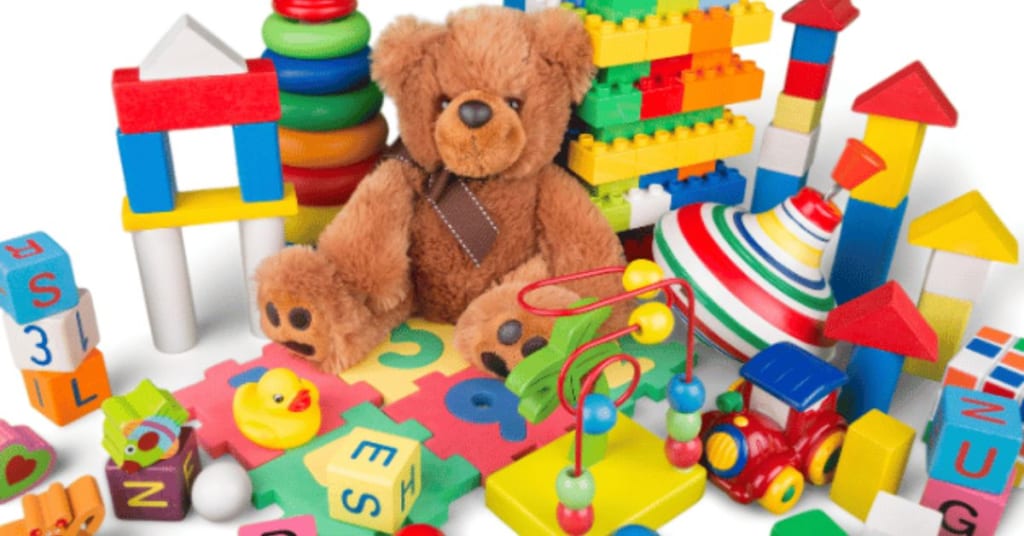
The global toys and games market, valued at approximately $108 billion in 2023, is undergoing a fundamental structural shift. While the industry was traditionally cyclical and tied strictly to the "under-12" demographic, it has evolved into a multi-generational industry driven by fandom, collectibles, and the integration of "Phygital" (physical + digital) play.
1. The "Kidult" Phenomenon: The Industry's New Engine
The most significant trend in the modern toys market is the rise of the adult consumer. "Kidults" (consumers aged 18 and older) now account for over 25% of total toy sales and are the fastest-growing demographic.
High-Value Collectibles: This segment drives demand for complex LEGO sets (Architecture/Icons series), high-end action figures (Hot Toys, NECA), and trading card games (Pokémon, Magic: The Gathering).
Emotional Spending: Unlike parents who are price-sensitive, adult consumers often buy for themselves based on nostalgia and fandom, leading to higher margins and less seasonal volatility.
The "Desk-Pet" Trend: Small, aesthetic collectibles (Smiskis, Sonny Angels, Pop Mart) have become viral sensations on social media, treating toys as home decor and lifestyle accessories.
2. Digital Integration and the "Phygital" Frontier
Toy manufacturers are no longer just competing with each other; they are competing with screens. The response has been a hybrid approach to play.
Augmented Reality (AR): Brands are using AR to breathe life into physical products. LEGO’s Hidden Side and various board games now require apps to unlock "hidden" layers of the game.
Robotics and AI: AI-integrated plush toys and robots that "learn" a child's name and habits are moving from niche tech to mainstream retail.
The Metaverse Connection: Platforms like Roblox and Fortnite have become the "new playground." Major players like Mattel and Hasbro are now licensing their IP (Hot Wheels, Nerf) as digital assets within these ecosystems.
3. The "Eco-Play" Movement: Sustainability in Plastics
As a plastic-heavy industry, the toy market faces intense pressure to become "green." Consumers, particularly Millennial and Gen Z parents, are demanding circularity.
Bio-Plastics: Leading companies are transitioning away from petroleum-based plastics. LEGO has committed to using sustainable materials like bio-polyethylene (sourced from sugarcane) for many of its elements.
The Second-Hand Market: The rise of toy-rental subscription models and "pre-loved" toy platforms is challenging the traditional "buy-and-discard" model.
Plastic-Free Packaging: Large-scale initiatives by Hasbro and Mattel to remove single-use plastics from packaging (switching to cardboard and paper ties) have become industry standards.
4. IP-Driven Retail: The Hollywood Symbiosis
The toy market is now inseparable from the entertainment industry. A "hit" movie or streaming series is often the primary driver of retail success.
The "Barbie" Effect: The 2023 Barbie movie demonstrated how a 60-year-old brand could be revitalized through cultural saturation, leading to massive spikes in both core dolls and adult-targeted collaborations.
Streaming Content: The rapid turnover of content on Netflix, Disney+, and YouTube (e.g., Cocomelon, Paw Patrol, Bluey) creates shorter, more intense trend cycles for licensed merchandise.
5. Regional Powerhouses and Manufacturing Shifts
The geography of the toy market is shifting both in terms of who buys and where items are made.
Asia-Pacific Growth: While North America remains the largest market by value, the APAC region is growing at the highest CAGR. The rise of the middle class in India and Southeast Asia is creating a massive new consumer base for branded toys.
"China Plus One" Strategy: Traditionally, over 70% of toys were manufactured in China. Rising labor costs and geopolitical tensions have led giants like Hasbro to shift significant production to Vietnam, India, and Mexico.
6. Challenges: Inflation and Screen Time
Despite the innovation, the market faces two major headwinds:
Price Elasticity: Inflation has driven up the cost of raw materials (resin and electronics) and shipping. In response, parents are increasingly looking for "value-for-money" play, favoring toys with high "replay value."
The Screen-Time Battle: As children receive smartphones at younger ages, the window of "traditional play" is shrinking. Toy companies are countering this by emphasizing the developmental and "sensory" benefits of physical play (ASMR toys, slime, fidget toys).
Future Outlook: 2025-2030
We expect to see the "Toy-as-a-Service" model (subscriptions) expand, along with a massive push into AI-narrated storytelling, where physical toys use generative AI to tell unique, personalized stories to children. The "Kidult" segment will likely reach 35% of the market by 2030, permanently altering how toys are designed and marketed.
About the Creator
Rahul Pal
Market research professional with expertise in analyzing trends, consumer behavior, and market dynamics. Skilled in delivering actionable insights to support strategic decision-making and drive business growth across diverse industries.
Ida Shaghoian and the Art of Emotional Terrain
In the realm of contemporary painting, few artists approach landscape as an emotional language rather than a physical subject. Ida Shaghoian has built a distinctive practice around this idea, transforming familiar elements of sky, water, and horizon into meditative fields of reflection. Her paintings are not topographical records. They are immersive atmospheres shaped by memory, sensation, and intuition. Through layered color and subtle abstraction, she creates visual spaces that invite viewers to pause and reconnect with their inner landscapes.
By Ida Shaghoian3 days ago in Art



Comments
There are no comments for this story
Be the first to respond and start the conversation.