
The Mud Maid: The Living Sculpture of the Lost Gardens of Heligan
Old Sculpture

The Mud Maid: The Living Sculpture of the Lost Gardens of Heligan
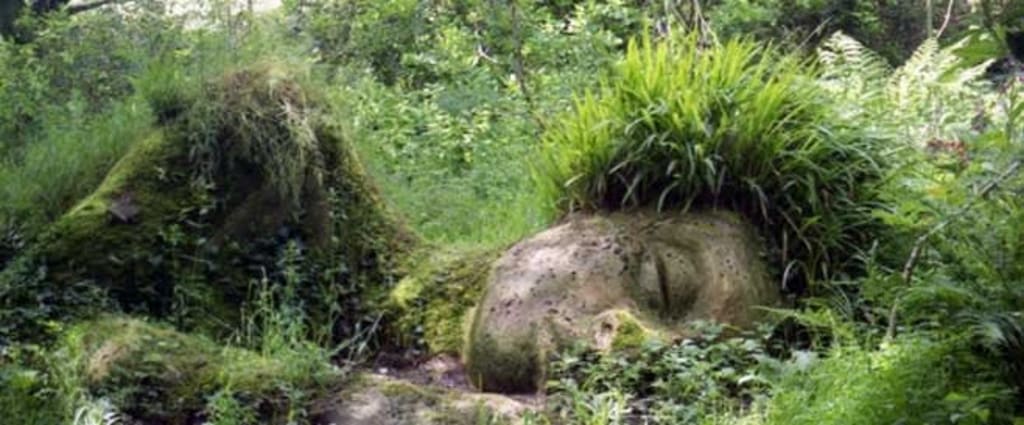
Nestled within the enchanting Lost Gardens of Heligan in Cornwall, England, lies a sleeping figure whose beauty evolves with the seasons. Known as the Mud Maid, this remarkable living sculpture captivates visitors with her dynamic connection to nature. Unlike traditional statues crafted from stone or bronze, the Mud Maid is a creation of living plants, moss, and earth, seamlessly blending art with the natural world. Her changing attire, formed by seasonal foliage, makes her an ever-changing masterpiece and a testament to the creative ingenuity behind the Lost Gardens.
The Origins of the Mud Maid
The Mud Maid was created in 1997 by sibling artists Sue and Pete Hill as part of the restoration of the Lost Gardens of Heligan. These gardens, once neglected and overgrown, were brought back to life in the 1990s, revealing a hidden world of botanical wonders. The sculpture was commissioned to add an air of whimsy and mystery to the gardens, echoing the myths and folklore deeply rooted in Cornish culture.
Using a hollow framework filled with soil and clay, the artists constructed the Mud Maid as a reclining figure, giving her a tranquil, dreamlike posture. Her face is made from a mix of cement and sand, carefully shaped to convey serenity, while her body is covered with plants that grow and change throughout the year.
A Living Sculpture That Evolves
What makes the Mud Maid so extraordinary is her "living" nature. Her appearance is not static; it is a reflection of the changing seasons:
- Spring and Summer: In the warmer months, the Mud Maid comes alive with vibrant greenery. Her hair, made of cascading ivy, flows luxuriously, and her moss-covered body is adorned with lush grass. She looks rejuvenated, as if she has awakened to bask in the season's vitality.
- Autumn: As the seasons transition, her appearance changes dramatically. Her once-vivid greenery fades to golden and russet tones, mirroring the fall of leaves around the gardens. The ivy and moss begin to wither, creating an earthy, muted palette that signals the approach of winter.
- Winter: In the cold, dormant months, the Mud Maid takes on a more somber, melancholic appearance. Stripped of her vibrant attire, she seems to sleep more deeply, her bare form blending into the muted surroundings. This transformation evokes a sense of quiet resilience, a reminder of nature's cyclical rhythms.
Symbolism and Connection to Nature
The Mud Maid is more than just a sculpture; she is a powerful symbol of the connection between humanity and nature. Her integration with the environment speaks to the harmony that can exist between artistic expression and the natural world. She embodies the idea that art does not have to impose itself on its surroundings but can instead become a part of them, enhancing their beauty and meaning.
Moreover, her seasonal changes serve as a poignant reminder of the passage of time and the cycles of life. Visitors often find themselves reflecting on their own connection to the natural world, inspired by the Mud Maid's tranquil presence and her seamless adaptation to the seasons.
Visiting the Mud Maid
The Mud Maid is located in the Woodland Walk area of the Lost Gardens of Heligan, a popular destination for nature lovers and history enthusiasts alike. These gardens, restored to their former glory after decades of neglect, offer a fascinating blend of Victorian horticulture and contemporary artistry.
Visitors to the gardens can enjoy not only the Mud Maid but also a wealth of other attractions, including the Giant's Head, another living sculpture by Sue and Pete Hill. The gardens are home to diverse flora and fauna, rare plant collections, and picturesque landscapes that transport visitors to a bygone era.
For those planning a visit, the best time to see the Mud Maid in her full glory is during the spring and summer months when her vibrant greenery is at its peak. However, her autumn and winter transformations offer a different kind of beauty, showcasing the artistry of decay and renewal.
The Magic of the Lost Gardens
The Mud Maid is a shining example of the magic that the Lost Gardens of Heligan offer to their visitors. This living sculpture captures the imagination and invites contemplation, blending artistic vision with the unpredictable beauty of nature. Her presence adds a touch of folklore and mystery to the gardens, making them a must-visit destination for anyone exploring Cornwall.
Whether you are an art enthusiast, a nature lover, or someone seeking a tranquil escape, the Mud Maid promises to leave a lasting impression. She is not merely a sculpture but a living, breathing part of the landscape, a symbol of creativity, resilience, and the ever-changing beauty of the natural world.
So, the next time you find yourself in Cornwall, make sure to visit the Lost Gardens of Heligan and witness the enchanting Mud Maid in person. Each visit offers a unique experience, as no two encounters with her are ever the same. Like the seasons she embodies, the Mud Maid is constantly changing, reminding us all of the transient, yet enduring, beauty of life.
About the Creator
Keep reading
More stories from Deji Akomolafe and writers in Art and other communities.
The Two Mice Eating Cheese: London’s Smallest Public Statue with a Big Story
London, a city rich in history and monumental landmarks, is home to countless statues and memorials. Yet, among the grand memorials and imposing sculptures lies a tiny yet quirky piece of London’s history—The Two Mice Eating Cheese. This diminutive carving, located on the exterior wall of a building on Philpot Lane near Monument tube station, is often overlooked by passersby.
By Deji Akomolafeabout a year ago in Art
Ida shaghoian and the Inner Geography of Painting
In contemporary painting, the most compelling work often resists easy definition. It lingers, unfolds, and asks the viewer to participate emotionally rather than observe from a distance. Ida shaghoian belongs to this tradition. Her paintings explore the fluid relationship between memory, feeling, and the natural world, creating spaces that feel both deeply personal and widely resonant. Through a refined balance of abstraction and suggestion, her work challenges conventional ideas of place, time, and perception.
By Ida Shaghoian6 days ago in Art


Comments
There are no comments for this story
Be the first to respond and start the conversation.