
The Importance of UI/UX Design in Creating Seamless Digital Experiences
UI/UX Design
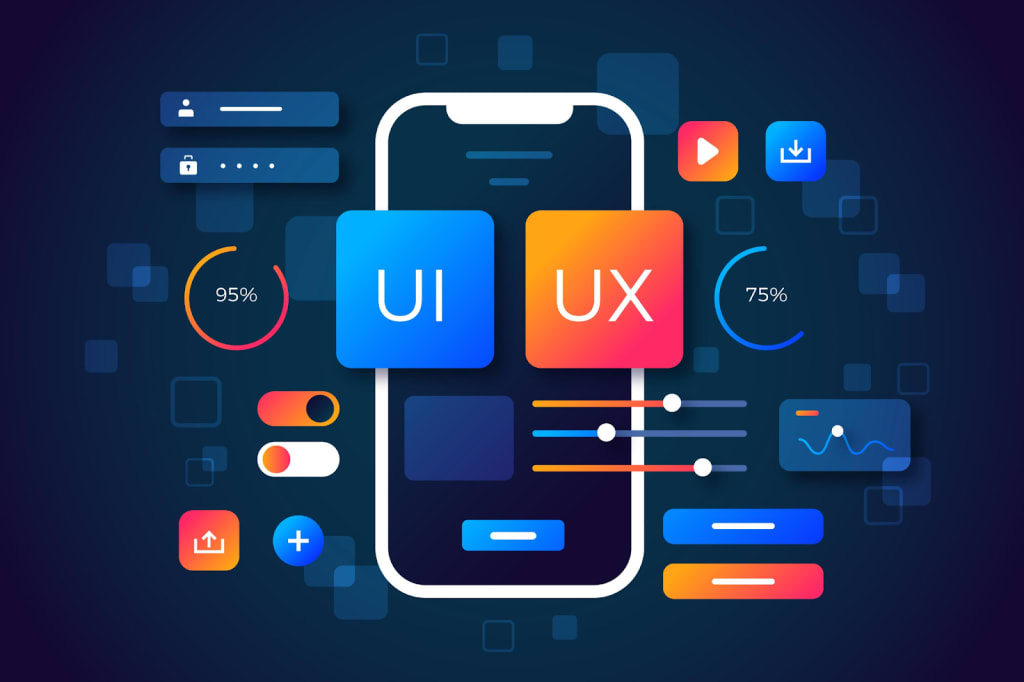
In today’s digital age, the design of user interfaces (UI) and user experiences (UX) has become paramount to the success of any product or service. Whether it's a website, mobile app, or software platform, UI/UX design plays a critical role in determining how users interact with technology and, ultimately, how they feel about the product. A well-designed UI/UX not only enhances functionality but also fosters engagement, satisfaction, and brand loyalty.
This article explores the significance of UI/UX design, its principles, and why businesses should prioritize it to create seamless digital experiences.
What is UI/UX Design?
UI/UX design is a blend of two distinct yet interconnected disciplines that focus on the user's experience with digital products.
User Interface (UI) refers to the visual elements of a product or service, such as buttons, icons, color schemes, typography, and layout. It focuses on aesthetics and usability, ensuring that the user interface is visually appealing and easy to navigate.
User Experience (UX) encompasses the broader interaction between the user and the product. It goes beyond visuals, focusing on the functionality, structure, and overall feel of the interaction. UX design aims to make the user’s journey as intuitive, efficient, and enjoyable as possible.
Together, UI and UX design form the foundation of a successful product that delivers both a beautiful appearance and an effortless user experience.
The Importance of UI/UX Design
First Impressions Matter
In the digital world, users form opinions about a product or service within seconds of their first interaction. This initial impression is often based on the design and usability of the interface. A cluttered, confusing, or unattractive UI can quickly turn users away. On the other hand, a clean, intuitive design can instantly engage users and encourage them to explore the product further.
For example, a well-designed landing page with clear calls-to-action (CTAs), organized content, and appealing visuals can capture users' attention and guide them through their desired actions.
Enhanced User Satisfaction and Retention
One of the primary goals of UI/UX design is to provide a satisfying experience for users. A product that meets the needs of its users, provides value, and is easy to use will foster a sense of loyalty. When users find it enjoyable to interact with a platform, they are more likely to return and continue using it.
Good UX design involves understanding user pain points and addressing them through intuitive solutions. By reducing frustration and simplifying complex tasks, a positive user experience encourages users to stay longer and interact more with the product, which leads to higher retention rates.
Increased Conversion Rates
For businesses, UI/UX design has a direct impact on conversions. Whether it’s making a purchase, signing up for a service, or completing a task, a well-designed user experience can significantly improve conversion rates. Users are more likely to take action if the process is simple and straightforward.
For instance, e-commerce websites with clear navigation, optimized product pages, and an easy-to-follow checkout process are more likely to convert visitors into paying customers. Similarly, apps with a smooth onboarding process can increase user sign-ups and retention.
Competitive Advantage
In today’s competitive market, a great product is no longer enough to stand out. Businesses need to offer exceptional user experiences to gain a competitive edge. A product with superior UI/UX design can differentiate itself from competitors, even if the core functionality is similar.
A company that invests in creating a user-centered design shows that it values its customers. As a result, users are more likely to choose a product that provides a seamless experience over one that feels outdated, difficult to use, or frustrating.
Reduced Development Costs
Investing in good UI/UX design early in the development process can save time and money in the long run. When the design is carefully planned and user needs are taken into account, there is less chance of major revisions or costly fixes later on. By identifying and addressing potential usability issues through user testing and feedback, businesses can avoid expensive redesigns after launch.
Additionally, a well-structured design system can streamline the development process by providing consistent UI components, patterns, and guidelines for developers to follow.
Principles of Effective UI/UX Design
User-Centered Design (UCD)
At the heart of UI/UX design is the concept of user-centered design. This means understanding the needs, preferences, and behaviors of the users who will interact with the product. By conducting user research, businesses can create personas that represent their target audience and design with their specific needs in mind.
Consistency
Consistency is key to providing a cohesive user experience. Elements like buttons, typography, colors, and icons should be used consistently across the interface to create a unified and intuitive experience. Consistent design patterns help users understand how to interact with the product, reducing the learning curve.
Simplicity and Clarity
Simplicity is a fundamental principle of good design. A cluttered interface overwhelms users and makes it harder to navigate. The goal is to present information and options clearly, without unnecessary complexity. Clear and concise labeling, as well as a minimalistic design, can make the user experience more enjoyable.
Responsive Design
With users accessing products from a variety of devices, responsive design is crucial. UI/UX designers must ensure that the product functions well and looks great on desktops, tablets, and smartphones. This adaptability not only improves usability but also enhances the overall user experience.
Feedback and Iteration
UI/UX design is an iterative process. User feedback is essential to refining the design and making improvements. By conducting usability tests and gathering real user input, designers can identify pain points and continuously enhance the product’s experience.
The Future of UI/UX Design
As technology continues to evolve, the future of UI/UX design will be shaped by new trends and innovations. AI-driven personalization, voice interfaces, and immersive technologies like virtual and augmented reality are becoming integral to user experiences. Designers will need to adapt to these changes and create interfaces that cater to evolving user expectations.
Ultimately, UI/UX design will remain a vital aspect of product development, as users continue to seek seamless, efficient, and enjoyable digital interactions. By prioritizing UI/UX, businesses can foster customer loyalty, drive conversions, and set themselves apart in a competitive market.
Conclusion
UI/UX design is more than just creating visually appealing interfaces. It’s about crafting meaningful, user-centered experiences that delight and engage users. By focusing on the principles of usability, consistency, and simplicity, businesses can create products that not only meet users' needs but also enhance their lives. In an era where digital experiences dominate, investing in UI/UX design is essential for success.
About the Creator
Keep reading
More stories from Rakha Putra Pratama and writers in Art and other communities.
Why Good UI/UX Design is Critical for Your Digital Product’s Success
In today’s technology-driven world, digital products play a huge role in both business and everyday life. Websites, mobile apps, and software tools are now the primary way companies engage with customers, conduct transactions, and deliver services. But beyond the functionality of these products, what truly sets successful ones apart is their UI/UX design. A product might have cutting-edge features, but if it’s hard to use or confusing, users won’t engage with it. This makes UI/UX design a key factor in determining whether a product will thrive or fail.
By Rakha Putra Pratamaabout a year ago in Art
2026 Commercial Space Design:How Fbierglass Sculpture Drives Traffic
Today, offline commercial spaces are facing continuous pressure. With e-commerce offering convenient and fast services, physical stores must showcase unique features to attract customers. In this context, fiberglass sculptures are no longer merely decorative items; they have become visual focal points in shopping malls, brand stores, pop-up shops, and mixed-use commercial projects, playing a crucial role in increasing foot traffic.
By Shenzhen Ruiheng Crafts6 days ago in Art
Why Strategic Branding Is Essential for Long-Term Business Growth
In today’s fast-paced digital environment, businesses face constant pressure to stand out. Consumers are exposed to endless choices every day, making attention harder to earn and trust harder to keep. While quality products and services are important, they are no longer the only factors that determine success. Strategic branding plays a key role in helping businesses grow steadily and remain relevant over time.
By Ayush Bagwari6 days ago in Art



Comments
There are no comments for this story
Be the first to respond and start the conversation.