
The Healing Power of Art, How Creativity Nurtures Emotional Well-Being
A guide towards better family dynamics
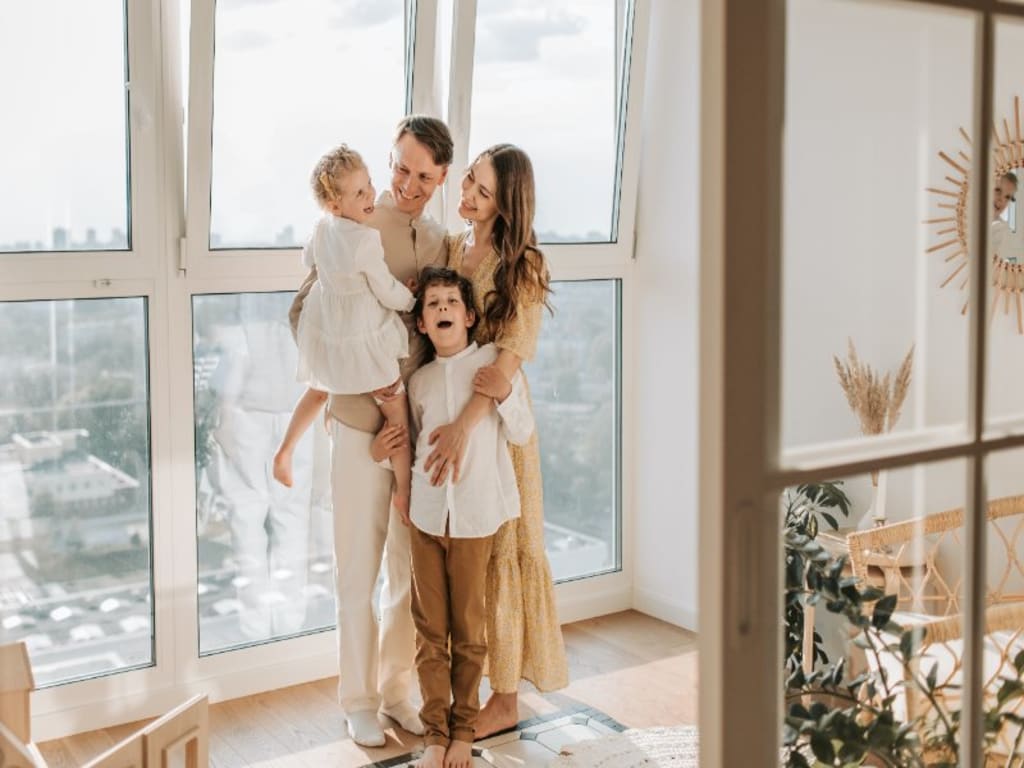
Across History, Art has always been the main refuge for many individuals, owing to its undeniable capacity to heal and soothe the human soul. Within the context of a family, art morphs into a viable instrument for nurturing emotional well-being. Engaging in creative activities enables family members to express their innermost thoughts and emotions without the need for verbal articulation. Children and adults may use art to express themselves, externalizing deep-seated emotions that might otherwise go unheard.
Whether it's via the colorful strokes of a paintbrush, the meticulous arrangement of collage elements, or the elegant flow of a dance, creativity becomes a sanctuary, an oasis where emotions can be freely explored and released.
These artistic occasions can serve as a type of therapy, allowing for cathartic release while also fostering emotional resilience within the family unit. When family members create together, they not only get a better knowledge of their own emotions, but they also strengthen their bonds with one another, creating a caring atmosphere in which emotional well-being thrives. Art serves as a bridge between families, guiding them through the nuanced geography of their emotions.
Fostering Emotional Awareness and Improved Dynamics
The psychological underpinning of the artistic process, as well as its influence on emotional awareness and expression in the familial setting, is a complex and overlapping phenomena. At its root, the act of making art taps into a variety of cognitive and emotional modalities, all of which lead to increased self-awareness and better emotional health.
One important psychological consideration is the function of creativity and how it facilitates emotional expression. Art offers a distinctive medium for everyone, to express their feelings without relying primarily on language and verbal articulation, which can be quite challenging in regards to some heavy emotions, especially for young kids who might still struggle with their emotional vocabulary. Through art, family members can externalize their feelings through colors, shapes, and forms. This procedure stands out for its therapeutic faculties, aiding individuals in the recognition and understanding of their own feelings as well as those of the family as a unit.
Furthermore, the process of producing art, by nature, contains the brain in a sphere of contemplation and mindfulness. This reflective frame of mind serves as an anti-stress medium, allowing family members to temporarily forget about their anxieties, worries and distractions as they dip their imagination in their artistic creations. This, In turn, boosts autonomous emotional regulation in kids as it helps them to better manage their anxiety and stress levels.
Such a process often requires capacities such as problem-solving and creative decision making. When presented with color, composition, and method options, individuals, especially youngsters, must make choices that portray their tastes and motives. This decision-making element of art gives individuals a sense of control over their creative expression, which boosts self-esteem and autonomy. In the context of a family, this can result in a more equal dynamic in which children's voices and choices are recognized, hence improving family connections.
Likewise, interactive art projects through kits such as ‘Elvis Presley paint by numbers’ provide the family with opportunity for shared experiences and connection. When family members make art together, they engage in a collaborative effort that necessitates communication, collaboration, and empathy. These joint efforts improve family cohesion and strengthen the concept of mutual support and understanding.
Art's Role in Children's Emotional Development
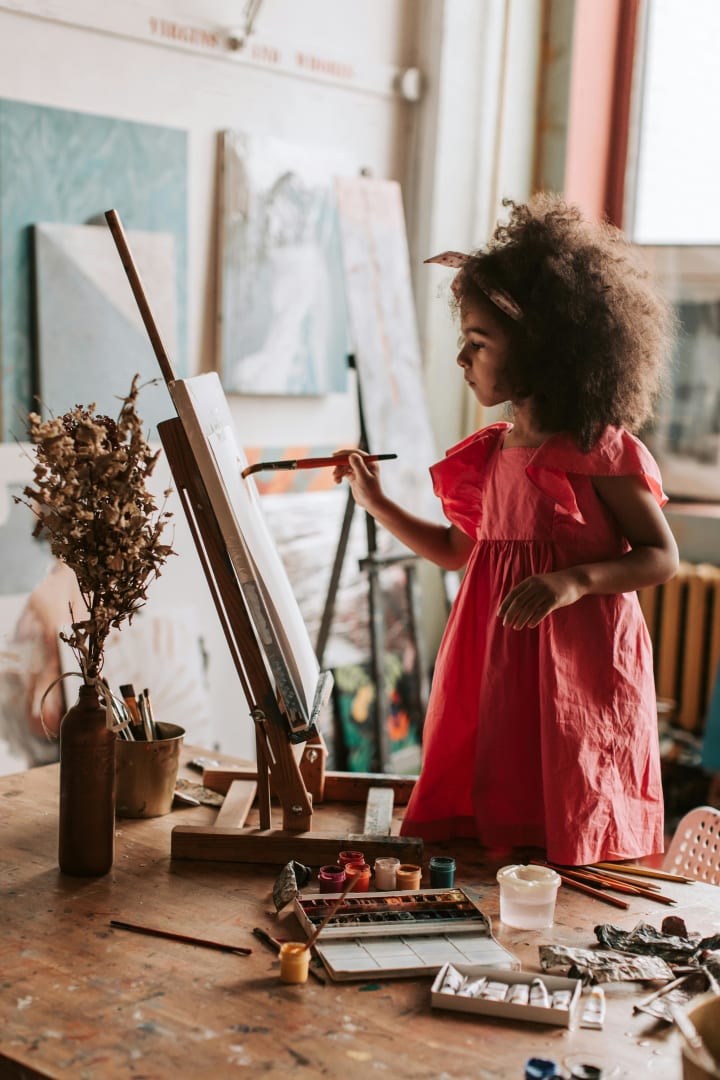
Art plays an essential role in children's emotional development, as multiple studies have shown that it promotes emotional intelligence and well-being. Schonert-Reichl and Lawlor (2010) discovered that engaging in artistic activities including sketching, painting, and creative storytelling helps children develop empathy, self-regulation, and emotional expressiveness. These creative pursuits offer youngsters a secure environment in which they can explore and express their emotions freely, resulting in a deeper awareness of their own and others' feelings.
Furthermore, a study conducted by Malchiodi (2007) found that art offers a range of therapeutic fruits, helping children cope with emotional struggles and trauma. Art therapy approaches have been suggested to help children deal with unpleasant emotions, reduce anxiety, and improve overall emotional well-being. Children can use art to externalize their emotions and develop control over their inner experiences.
In the family setting, art acts as a bridge for parents and kids to interact and talk about abstractions and feelings. It provides a collaborative setting in which parents may help their children explore their emotions, develop open communication about emotions, and strengthen parent-child ties.
Artistic Choices for Evening Family Therapy
For families looking for evening art therapy sessions, they can select from a variety of creative destinations that cater to a wide range of interests and age groups. Drawing and sketching is an entertaining hobby in which family members may express themselves using pencil, charcoal, or pastels. Painting in watercolors, acrylics, or oils provides a colorful and visually stimulating experience, allowing for an examination of colors, forms and textures.
For those pursuing a more contemplative approach, mandala coloring or mindful doodling may be a relaxing and pleasant activity. Collage-making with magazines, images, and miscellaneous materials enables the production of visually interesting compositions. Sculpting with clay or other modeling materials stimulates tactile exploration and three-dimensional creativity.
Additionally, participating in arts and crafts projects such as origami, paper mache, or fabric painting can result in unique and tangible items. Art journaling, which combines writing and creative expression, encourages contemplation and connection within the family.
The sphere of art supplies is witnessing a surge in customizable and conventional kits such as ‘Audrey Hepburn paint by numbers’, providing a structured and enjoyable way to create stunning art works, owing to its conventional and easy use, allowing individuals with no artistic expertise to to fully immerse themselves in the artistic process. Offering costume kits that could contain iconic figures and themes such as the ‘Bob Marley paint by numbers’ and ‘Mac Miller paint by numbers’ kits. These kits offer a sense of accomplishment and relaxation as family members fill in numbered sections with the corresponding paint, gradually unveiling captive and hangable artworks.
As days fade into nights, families may unwind and connect through the meditative medium of Art. These domestic sessions go beyond art production and leisure time, as they produce long-lasting and cherished memories that make up the fabric of family bonds. So let your family’s art journey continue, for the possibilities are limitless, and connection is everlasting.
About the Creator
painting bynumbers
I'm Nora, a passionate and dedicated paint by numbers artist. Through this unique artistic medium, I have discovered a world of boundless creativity and endless possibilities.
Keep reading
More stories from painting bynumbers and writers in Art and other communities.
Capturing Natural Beauty in Diamond Paintings
For centuries, art has been used to depict the infinite beauty of the world around us. Diamond art painting is a part of this long-standing tradition. The intricate mosaic-like pattern of sparkling diamonds allows us to see some of nature's most beautiful landscapes with a whole new level of beauty. Among the many landscapes that have been painted in this particular style, Lake Sunset, Hallstatt Lake and the Grand Canyon are among the most iconic.
By painting bynumbers2 years ago in Poets
John LoPinto on Travel as Perspective
Travel is often viewed as leisure or escape, but John LoPinto sees it as something more purposeful. For him, travel is a tool for perspective. By exploring new markets, cultures, and operating environments, leaders sharpen their strategic thinking and gain insights that are difficult to access from a distance. Exposure to unfamiliar contexts challenges assumptions and strengthens decision making.
By John LoPinto2 days ago in Art


Comments
There are no comments for this story
Be the first to respond and start the conversation.