
The Evolution and Impact of Cars: Unveiling the Journey of Automotive Innovation
the first automobile

From the revolutionary invention of the first automobile to the cutting-edge technologies shaping modern vehicles, cars have fundamentally transformed the way humanity travels, connects, and perceives the world. The evolution of cars spans centuries, marked by technological advancements, design innovations, and a profound influence on culture, economy, and daily life.
Historical Roots and Early Beginnings:
The genesis of cars can be traced back to the late 19th century when Karl Benz unveiled the Benz Patent-Motorwagen in 1886, often considered the world's first automobile. This three-wheeled vehicle powered by an internal combustion engine ignited a technological revolution, setting the stage for the automotive industry's birth.
Pioneering Innovations:
Early automobiles were rudimentary, evolving from steam-powered contraptions to the implementation of gasoline engines. Visionaries such as Henry Ford introduced assembly line production techniques, democratizing car ownership by making vehicles more affordable for the masses. The Model T, Ford's groundbreaking creation, became a symbol of accessibility, sparking a global fascination with cars.
Technological Advancements:
The 20th century witnessed remarkable strides in automotive technology. Innovations like automatic transmissions, power steering, and anti-lock braking systems enhanced driving comfort, safety, and control. The latter part of the century saw the integration of computerization and electronic systems, leading to the advent of fuel injection, onboard computers, and sophisticated safety features.
Design and Aesthetics:
The evolution of car design is a mesmerizing journey reflecting the zeitgeist of each era. From the streamlined elegance of classic cars in the 1950s to the futuristic aesthetics of modern electric vehicles, automotive design has evolved to blend aesthetics with aerodynamics, functionality, and sustainability. Designers continually push boundaries, creating iconic models that transcend time.
Environmental Impact and Sustainability:
The rapid expansion of the automotive industry has raised concerns about environmental repercussions. The proliferation of internal combustion engines led to pollution, prompting a shift towards eco-friendly alternatives. Electric vehicles (EVs) and hybrid technology emerged as solutions, promoting sustainability by reducing emissions and reliance on fossil fuels.
Influence on Society and Culture:
Cars have transcended their utilitarian function, ingraining themselves deeply within societal fabric and cultural narratives. They symbolize freedom, mobility, and individualism, shaping popular culture through movies, music, and literature. Car enthusiasts form communities, celebrating automotive craftsmanship and heritage through events like car shows and rallies.
Economic Impact and Industry Dynamics:
The automotive industry stands as a cornerstone of global economies, driving employment, innovation, and trade. Manufacturers, suppliers, dealerships, and aftermarket services form an intricate network, contributing significantly to national GDPs and fostering technological advancements that transcend the automotive realm.
Emerging Technologies and Future Prospects:
The future of cars is imbued with technological marvels poised to redefine transportation. Autonomous vehicles, equipped with artificial intelligence and sensors, promise a paradigm shift in mobility, offering enhanced safety, efficiency, and convenience. Furthermore, advancements in materials science, alternative fuels, and connectivity herald a new era of smart, sustainable transportation systems.
Challenges and Opportunities:
Despite its progress, the automotive industry faces challenges. Issues such as congestion, urbanization, and infrastructure limitations call for innovative solutions. Transitioning to electric mobility requires addressing concerns regarding charging infrastructure and battery technology. Additionally, ensuring cybersecurity in the era of connected vehicles poses a pressing challenge.
Conclusion:
The evolution of cars mirrors humanity's journey through innovation, perseverance, and adaptation. From humble beginnings to the brink of a technological revolution, cars have become integral to our lives, influencing how we navigate the world. As we propel towards a future where technology intersects with mobility, the automotive industry continues to shape societies, economies, and the very landscape of our existence.
In essence, the story of cars is an enduring testament to human ingenuity, resilience, and aspirations. It symbolizes the fusion of craftsmanship, engineering prowess, and visionary thinking, propelling us into an era where the wheels of innovation continue to drive us forward into uncharted territories of possibility and progress.
About the Creator
Keep reading
More stories from beni Moldo and writers in Art and other communities.
The Profound Bond Between Humans and Dogs: Exploring the Enduring Relationship
Since time immemorial, the bond between humans and dogs has stood as a testament to companionship, loyalty, and mutual understanding. Beyond being merely pets, dogs have ingrained themselves into the fabric of human existence, enriching our lives in multifaceted ways. From the ancient days of domestication to the modern era, this enduring relationship has evolved into a profound connection that transcends species boundaries.
By beni Moldo2 years ago in Art
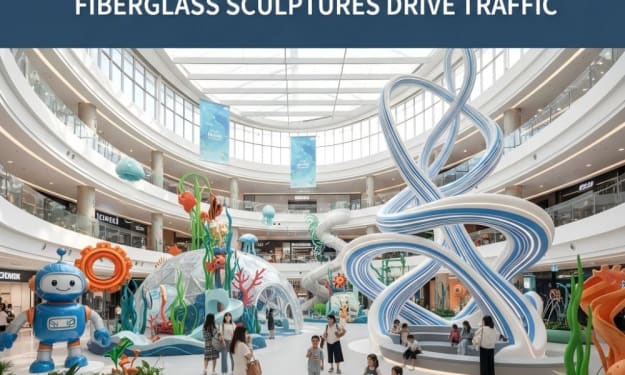
2026 Commercial Space Design:How Fbierglass Sculpture Drives Traffic
Today, offline commercial spaces are facing continuous pressure. With e-commerce offering convenient and fast services, physical stores must showcase unique features to attract customers. In this context, fiberglass sculptures are no longer merely decorative items; they have become visual focal points in shopping malls, brand stores, pop-up shops, and mixed-use commercial projects, playing a crucial role in increasing foot traffic.
By Shenzhen Ruiheng Crafts4 days ago in Art
Why Strategic Branding Is Essential for Long-Term Business Growth
In today’s fast-paced digital environment, businesses face constant pressure to stand out. Consumers are exposed to endless choices every day, making attention harder to earn and trust harder to keep. While quality products and services are important, they are no longer the only factors that determine success. Strategic branding plays a key role in helping businesses grow steadily and remain relevant over time.
By Ayush Bagwari4 days ago in Art



Comments
There are no comments for this story
Be the first to respond and start the conversation.