
The Different Types of Trucking Services: Which One Is Right for You?
The trucking industry plays a crucial role in the global economy, providing transportation services for goods across vast distances.
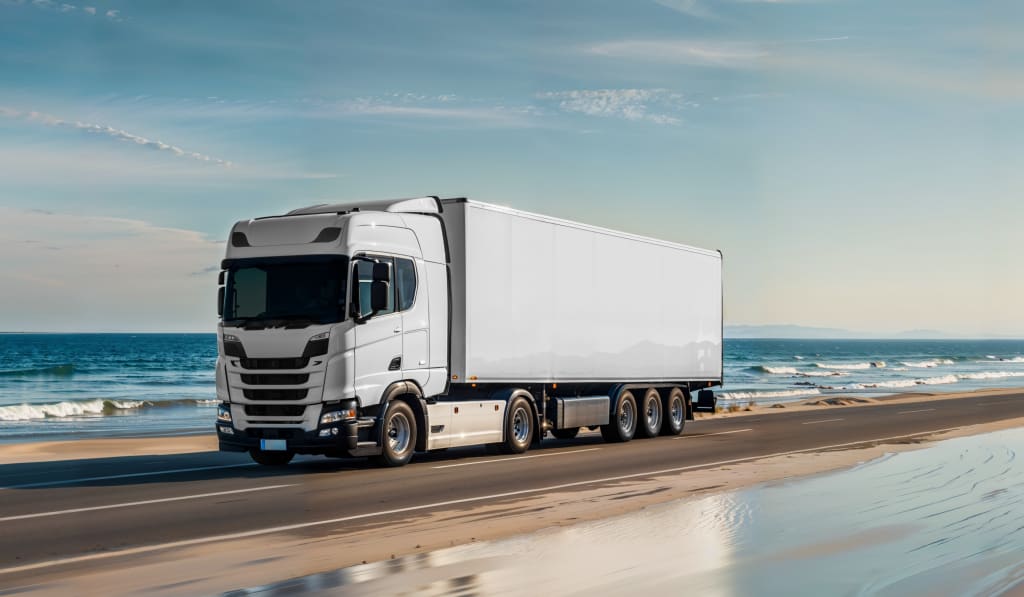
The trucking industry plays a crucial role in the global economy, providing transportation services for goods across vast distances. Whether you're a business owner, a freight manager, or someone seeking to understand the logistics behind moving goods, it's essential to know the different types of trucking services available. Choosing the right type of service can impact your budget, delivery times, and overall efficiency. This guide will help you understand the various options and how to determine which one suits your needs best.
1. Full Truckload (FTL)
Full Truckload (FTL) shipping is a transportation service where an entire truck is dedicated to one customer's shipment. FTL is ideal for large shipments that can fill the entire truck or when speed is a priority. Typically, FTL shipments are more direct, with fewer stops, reducing the overall transit time.
Advantages of FTL:
Faster delivery due to fewer stops
More security and less handling of goods
Lower risk of damage or delays
FTL is often used for businesses with large, time-sensitive shipments that require the entire capacity of a truck. This type of service can also be more cost-effective when the shipment is large enough to fill the truck.
2. Less Than Truckload (LTL)
Less Than Truckload (LTL) shipping is a popular option for businesses that need to ship smaller quantities of goods. Unlike FTL, LTL shipments are combined with other shipments to fill a single truck. This allows businesses to share transportation costs, making it a more affordable option for smaller shipments.
Advantages of LTL:
Lower shipping costs for smaller shipments
More flexibility for businesses with less cargo
Ideal for non-urgent deliveries
LTL services are often used by businesses with smaller loads or non-perishable goods. However, transit times may vary depending on the number of stops the truck makes. It’s important to plan accordingly, as LTL shipping might involve delays due to other shipments in transit.
3. Flatbed Trucking
Flatbed trucking involves a truck with an open bed (without sides or a roof) to transport goods that are oversized, heavy, or require special loading and unloading. Flatbed trucks are commonly used for construction materials, machinery, or large equipment.
Advantages of Flatbed Trucking:
Ideal for oversized or oddly shaped cargo
Provides easier loading and unloading for goods that can't be easily accommodated in enclosed trucks
Flexibility to transport a wide variety of materials
However, flatbed shipments require special handling and may expose goods to the elements during transit, so protection or proper packaging is key.
4. Reefer Trucks
Refrigerated (Reefer) trucks are designed to transport temperature-sensitive goods such as perishable food items, pharmaceuticals, or chemicals. These trucks are equipped with refrigeration units that maintain a constant temperature throughout the journey. To ensure the safety of these goods, it's critical that trucking companies comply with safety standards, including Random Drug Testing for their drivers. This ensures that drivers are operating safely and responsibly, maintaining the integrity of sensitive shipments during transit.
Advantages of Reefer Trucks:
Ideal for perishable items that need temperature control
Ensures goods are kept fresh and safe during transit
Capable of transporting a wide range of temperature-sensitive products
While reefer trucks offer specialized services, they are typically more expensive than standard trucking options due to the added complexity and maintenance required to keep the refrigeration unit operational.
5. Expedited Shipping
Expedited shipping is a premium service designed for urgent deliveries. Expedited services ensure that shipments are prioritized, offering faster delivery times and more direct routes, often at a higher cost.
Advantages of Expedited Shipping:
Fast and time-sensitive delivery
Minimizes transit time for critical shipments
Often includes priority tracking and monitoring
This service is ideal for urgent shipments that cannot afford delays, such as emergency medical supplies or critical components needed for production.
6. Intermodal Shipping
Intermodal shipping combines multiple modes of transportation, such as trucks, trains, and ships, to deliver goods. This service is ideal for long-distance shipments that can benefit from cost savings and efficiency through different transportation methods.
Advantages of Intermodal Shipping:
Cost-effective for long-haul shipments
Flexibility in transportation options
Environmental benefits due to reliance on rail or ships for longer portions of the trip
Intermodal shipping can be slower than traditional trucking services but offers a balance of cost savings and efficiency for long-distance freight.
Additional Considerations: Driver Safety and Compliance
When selecting a trucking service, it's important to ensure that the company you choose adheres to necessary safety standards and regulations. For example, companies must comply with Random Drug Testing requirements for drivers, a critical measure to ensure road safety. Random drug testing helps reduce the risk of accidents caused by impaired drivers and ensures a safer driving environment for all.
Another factor to consider is whether the trucking company employs drivers who undergo Random Drug Testing. This testing is vital for maintaining the safety and integrity of the transportation industry, ensuring that shipments are delivered by qualified, responsible drivers.
Conclusion: Choosing the Right Service
Choosing the right trucking service depends on the size, urgency, and nature of your shipment. Whether you’re opting for full truckload, refrigerated transport, or expedited delivery, understanding your needs and the available options will help you make the best decision. Additionally, ensure that the trucking company you select is compliant with industry standards and safety protocols, including random drug testing to maintain a safe and reliable delivery service.
Understanding these options will ensure that your shipment arrives on time, within budget, and in the safest conditions possible. Always evaluate your specific needs and consult with a reputable trucking provider to find the best fit for your logistics.
About the Creator
Keep reading
More stories from Devid Jones and writers in Art and other communities.
Do You Need a Texas Cab Card? How to Determine If You Qualify
If you own or operate a commercial vehicle in Texas, you may have heard about the Texas Cab Card. But do you really need one? This article will help you understand what a Texas Cab Card is, who needs it, and how to determine if you qualify. Understanding these requirements is essential for staying compliant with state and federal regulations while avoiding costly fines or penalties.
By Devid Jones11 months ago in 01
An Unusual Bond
It is often said that only brave people make life-changing decisions, and Tariq was one of them. Elders say that marriages are made in the heavens; I had heard this many times, but when curiosity turned into reality, my eyes were truly opened. We are all subject to divine will—every particle in the universe moves by God’s command.
By Sudais Zakwana day ago in Art



Comments
There are no comments for this story
Be the first to respond and start the conversation.