
The Clipper Cutty Sark Model: A Journey Through Time
Clipper Cutty Sark Model
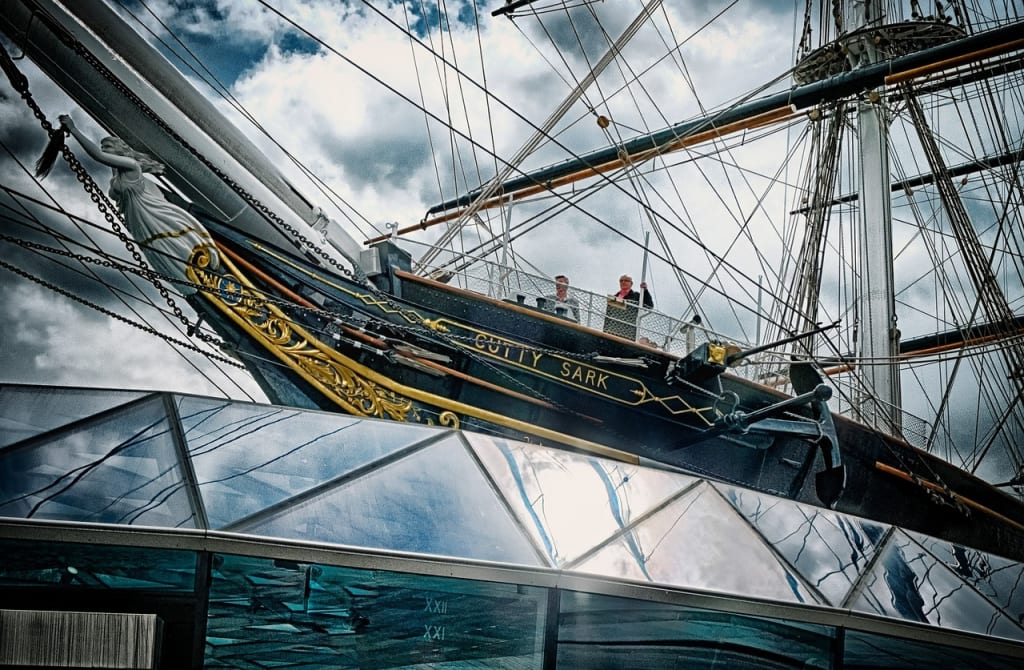
The Clipper Cutty Sark model stands as a testament to one of the most iconic ships in maritime history. This exquisite miniature representation captures the grace, speed, and historical significance of the original vessel, allowing enthusiasts and historians alike to explore a crucial era of seafaring commerce. From its intricate rigging to its sleek hull design, the Clipper Cutty Sark model offers a window into the golden age of sail and the tea trade that shaped global commerce.
The Historical Significance of the Cutty Sark
Before delving into the artistry of the Clipper Cutty Sark model, it's essential to understand the historical context of the original ship.
Birth of a Legend
The Cutty Sark was built in 1869 in Dumbarton, Scotland, designed to be the fastest ship in the tea trade. Named after a witch's garment in Robert Burns' poem "Tam o' Shanter," the Cutty Sark embodied the spirit of speed and adventure.
Key features of the Cutty Sark included:
Composite Construction: Iron frame with wooden planking, reducing weight while maintaining strength.
Sleek Hull Design: Allowing for unprecedented speed through the water.
Extensive Sail Plan: Maximizing wind power for propulsion.
The Tea Trade and Beyond
The Clipper Cutty Sark model represents more than just a ship; it embodies an entire era of maritime commerce:
Tea Races: Annual competitions to bring the first tea of the season from China to London.
Wool Trade: After steam ships dominated the tea route, Cutty Sark found new purpose in the Australian wool trade.
Symbol of Innovation: Represented the pinnacle of sailing ship technology before the rise of steam power.
Crafting the Clipper Cutty Sark Model
Creating an accurate Clipper Cutty Sark model requires exceptional skill, attention to detail, and historical knowledge. Here's an overview of the process:
Research and Planning
Before construction begins, model makers immerse themselves in historical research:
Original Plans: Studying the ship's original blueprints and technical drawings.
Historical Photographs: Analyzing images of the Cutty Sark from various periods of its service.
Museum Resources: Utilizing information from the Cutty Sark's current exhibition in Greenwich, London.
This meticulous research ensures that the Clipper Cutty Sark model accurately represents every aspect of the original ship.
Construction Techniques
Building a Clipper Cutty Sark model involves several key steps:
Hull Construction:
Laying the keel and frames
Planking the hull to achieve the characteristic sleek lines
Replicating the copper bottom, a distinctive feature of the Cutty Sark
Deck and Interior Details:
Crafting the deck structures, including the forecastle and poop deck
Adding intricate details like skylights, hatches, and deck equipment
Mast and Rigging:
Erecting the three masts: fore, main, and mizzen
Crafting yards, booms, and gaffs
Rigging the complex array of standing and running rigging
Sails and Decorative Elements:
Creating scale replicas of the Cutty Sark's impressive sail plan
Adding the iconic figurehead of the witch Nannie from "Tam o' Shanter"
Incorporating details like lifeboats, anchors, and ship's wheel
Materials Used in Clipper Cutty Sark Models
Model makers use a variety of materials to create authentic-looking Clipper Cutty Sark models:
Wood: Often using hardwoods like mahogany or oak for the hull and deck structures.
Metal: Brass or copper for fittings, decorative elements, and to replicate the ship's bottom.
Fabric: Fine cloth or paper for sails, often treated to appear weathered.
Paint and Varnish: To achieve the rich, deep colors of the original ship's paintwork.
The Artistry of Clipper Cutty Sark Models
Creating a Clipper Cutty Sark model is not just a technical exercise but an art form that requires a deep appreciation for maritime aesthetics and historical accuracy.
Capturing the Spirit of Speed
The Clipper Cutty Sark model must convey the ship's renowned speed and grace:
Hull Lines: Accurately reproducing the sleek, knife-like bow and refined stern.
Sail Configuration: Representing the vast expanse of canvas that powered the ship.
Dynamic Positioning: Some models are mounted to suggest movement through water.
Balancing Detail and Scale
Model makers face the challenge of including intricate details while maintaining proper scale:
Deck Fittings: Miniaturizing complex equipment without losing authenticity.
Rigging Complexity: Reproducing the intricate web of ropes and cables at a reduced scale.
Figurehead Detail: Capturing the essence of the witch Nannie in miniature form.
The Educational Value of Clipper Cutty Sark Models
Clipper Cutty Sark models serve as powerful educational tools, offering tangible representations of maritime history:
Naval Architecture: Demonstrating innovative ship design of the late 19th century.
Trade History: Illustrating the importance of tea and wool trade in the British Empire.
Technological Transition: Representing the peak of sailing ship technology before the dominance of steam.
Preservation Efforts: Highlighting the ongoing conservation of the original ship in Greenwich.
Many museums and educational institutions use Clipper Cutty Sark models to enhance their exhibits, allowing visitors to appreciate the scale, design, and historical context of this legendary vessel.
Collecting Clipper Cutty Sark Models
For enthusiasts and historians, collecting Clipper Cutty Sark models offers a way to own a piece of maritime history.
Types of Collectible Models
Collectors can choose from various types of Clipper Cutty Sark models:
Kit Models: For those who enjoy the building process.
Handcrafted Artisan Models: Offering the highest level of detail and authenticity.
Antique Models: Prized for their historical value as well as craftsmanship.
Display Models: Ranging from small desktop versions to large, museum-quality pieces.
Factors Affecting Value
Several factors influence the value of Clipper Cutty Sark models:
Historical Accuracy: Models that closely replicate the ship's authentic details.
Craftsmanship: The skill and attention to detail in the model's construction.
Materials: Use of high-quality, period-appropriate materials.
Size and Scale: Larger, more detailed models often command higher prices.
Provenance: Models with interesting histories or created by renowned craftsmen.
The Cutty Sark in Popular Culture
The enduring fascination with the Cutty Sark extends beyond historical interest, permeating popular culture:
Literature: Featured in novels and poems, often symbolizing speed and adventure.
Film and Television: Appearing in historical dramas and documentaries.
Art: Inspiring maritime artists to capture its grace and power.
Branding: Lending its name and image to products, most famously Cutty Sark Whisky.
This cultural presence has further elevated the status of Clipper Cutty Sark models, making them iconic representations of the age of sail.
Preserving Maritime Heritage
Clipper Cutty Sark models play a crucial role in preserving and celebrating maritime heritage. They offer a tangible link to the past, allowing current and future generations to appreciate the engineering, artistry, and historical significance of this remarkable ship.
Experience the Majesty of the Cutty Sark with Old Modern Handicrafts
For those seeking to own a piece of maritime history, Old Modern Handicrafts (OMH) offers an exquisite selection of Clipper Cutty Sark models. Crafted with meticulous attention to detail and historical accuracy, OMH's Cutty Sark models are more than just replicas; they're works of art that capture the spirit and grandeur of this iconic ship.
OMH's commitment to using premium materials like western red cedar and mahogany, combined with their rigorous research and quality control, ensures that each Clipper Cutty Sark model is a true masterpiece. Whether you're a serious collector, a maritime enthusiast, or someone looking to add a touch of nautical elegance to your space, OMH's Cutty Sark models provide an authentic and awe-inspiring connection to the golden age of sail.
Conclusion
The Clipper Cutty Sark model stands as a testament to human ingenuity, artistic skill, and the enduring allure of maritime history. From its sleek lines to its intricate rigging, every aspect of these models tells the story of a ship that captured the imagination of the world.
As we admire these miniature masterpieces, we're not just looking at a replica of a famous ship; we're peering into a bygone era of adventure, commerce, and technological innovation. The Clipper Cutty Sark model serves as a bridge between past and present, allowing us to touch, see, and understand a crucial chapter in the history of seafaring.
Whether displayed in museums, cherished in private collections, or crafted by artisans like those at Old Modern Handicrafts, Clipper Cutty Sark models continue to inspire and educate. They remind us of the grace, speed, and indomitable spirit of the great sailing ships that once ruled the waves, ensuring that the legacy of the Cutty Sark sails on for generations to come.
About the Creator
A Love I Swore By Alaa Muhammad
I swore by the love that lives within my chest To love no one but you, no matter the cost. You asked—is this truth or passing speech? I said: It is certainty, unbent, untouched. I loved in you the peace I never knew, And silence, when all words collapse in noise. When my heart grew tight, you were my widest home, And when dreams trembled, you never spilled away. I searched for meaning in no other hearts, Until I found you—and the search was done. So let the eyes debate a heart that chose, A love I swore by… and in your love, I stand.
By A'laa Muhammad3 days ago in Art



Comments
There are no comments for this story
Be the first to respond and start the conversation.