
The Art of Storytelling: Unlocking the Power of Visual Storytelling in Marketing
Boost Engagement, Build Brand Identity, and Inspire Action Through Emotionally Driven Marketing.

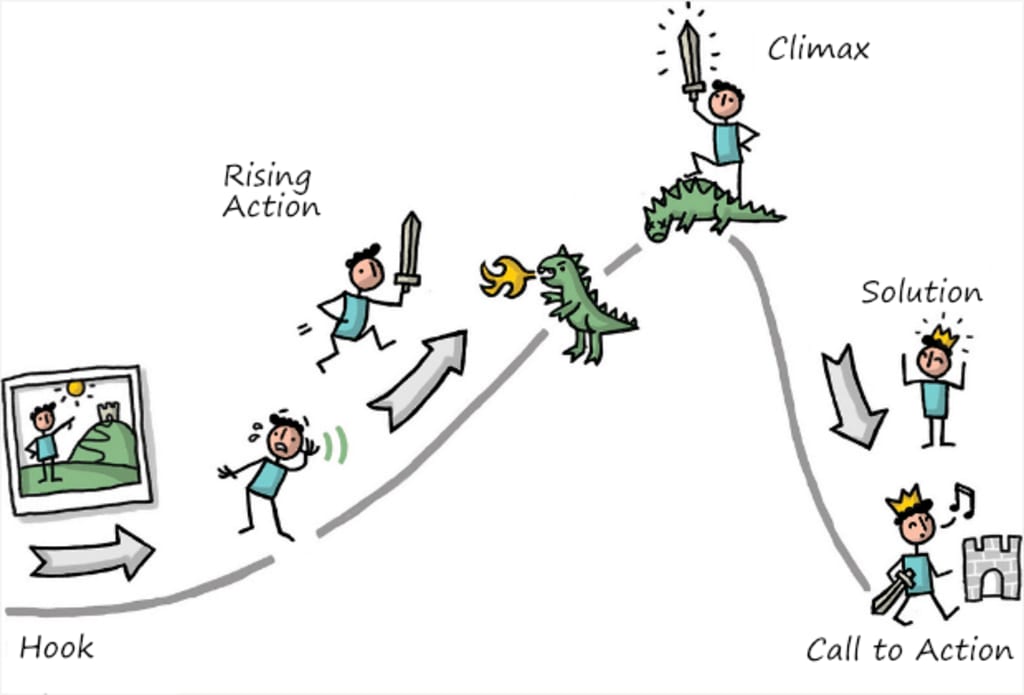
Visual storytelling is a powerful tool in marketing, and it's becoming increasingly popular as more people consume content visually rather than through written text. Visual storytelling can be used to create engaging content that resonates with your audience, evokes emotions, and ultimately drives action.
But what exactly is visual storytelling? And how can you use it to tell a compelling story in your marketing campaigns?
What is Visual Storytelling?

Visual storytelling is the art of using visuals, such as images, videos, and infographics, to tell a story. It's about creating a narrative that captures the attention of your audience and leaves a lasting impression.
The goal of visual storytelling is to create an emotional connection with your audience, which can be achieved through a variety of techniques, such as:
- Showing, not telling: Visual storytelling allows you to show your audience what you want them to see rather than simply describing it. This can be much more effective in creating an emotional response.
- Creating a journey: A good visual story should take your audience on a journey, from start to finish. This can be achieved through the use of a clear narrative arc, with a beginning, middle, and end.
- Using symbols and metaphors: Symbols and metaphors can be used to convey complex ideas and emotions in a way that is easy for your audience to understand.
- Using color and contrast: Color can be used to create mood and evoke emotion, while contrast can be used to create visual interest and draw attention to key elements of your story.
Why is Visual Storytelling Important in Marketing?
Visual storytelling is important in marketing because it allows you to connect with your audience on a deeper level. It can help to build trust and establish a connection with your audience, which can lead to increased engagement and loyalty.
Visual storytelling can also help to differentiate your brand from your competitors. By telling a unique and compelling story, you can create a memorable brand identity that stands out in a crowded market.
Additionally, visual storytelling can be an effective way to convey complex ideas and information in a way that is easy to understand. This can be particularly useful in industries such as finance or technology, where technical jargon can be difficult for the average person to understand.
How to Use Visual Storytelling in Your Marketing Campaigns
To use visual storytelling effectively in your marketing campaigns, you'll need to follow these steps:
- Identify your target audience: Before you can tell a compelling story, you need to know who you're telling it to. Consider your target audience's interests, values, and pain points to ensure that your story resonates with them.
- Develop a clear narrative: Your story should have a clear beginning, middle, and end, with a focus on creating an emotional connection with your audience. Consider the message you want to convey and the action you want your audience to take.
- Choose the right visuals: Choose visuals that support your narrative and help to convey your message. This might include images, videos, or infographics. Make sure your visuals are high quality and visually appealing.
- Use color and contrast effectively: Color and contrast can be powerful tools in visual storytelling. Use them to create mood and draw attention to key elements of your story.
- Keep it simple: Avoid cluttering your visuals with too much information. Keep your story simple and focused to ensure that your audience stays engaged.
Conclusion
Visual storytelling is a powerful tool in marketing, allowing you to create a memorable brand identity and connect with your audience on a deeper level. By following these steps, you can use visual storytelling to create engaging content that resonates with your audience and ultimately drives action.
About the Creator
Keep reading
More stories from Liam Osuos and writers in Art and other communities.
Elon Musk's 5-Second Focus Hack (Used to Build 3 Billion-Dollar Companies)
Elon Musk runs Tesla, SpaceX, Neuralink, and The Boring Company simultaneously. While most people struggle to focus on one task without checking their phone, Musk manages multiple industries, thousands of employees, and world-changing projects.
By Liam Osuos8 months ago in Journal
“What If It Happens?”
Monday, 11 April 2022 Ishrat Jahan One of our friends, Mr. Farooq, is a middle-aged man, yet he has still not been able to free himself from his deeply suspicious and fearful nature. These days, I happened to have some free time, so I thought it would be a good idea to meet him and try to untangle the puzzle of his constant worries. By coincidence, he himself arrived at my humble home, jolting along in a rickshaw.
By Sudais Zakwan2 days ago in Art
Introduction to Organic Solutions
In the realm of fitness, the role of nutrition cannot be overstated, and organic supplements are increasingly recognised as essential components of a well-rounded training regime. Unlike their synthetic counterparts, organic supplements are derived from natural sources, ensuring that fitness trainers can provide their clients with products that are free from harmful additives and chemicals. This not only promotes better health but also supports the body’s natural processes, thereby enhancing overall performance and recovery.
By Organic Products 6 days ago in Art
Wild Card Weekend Recap: What Happens Now?
I think I figured out why I love Wild Card Weekend so much. It's because it's the first playoff anything of the calendar year. The NFL season starts in the fall, and once upon a time, the champion was crowned either on or slightly before New Year's. The evolution of the NFL schedule has resulted in the playoffs starting just into the New Year, and currently, the final week of the season falls on the first weekend of the New Year, with Wild Card Weekend coming a week after that. So yes, chronologically, the NFL's Wild Card Weekend serves as the first playoff anything of the calendar year.
By Clyde E. Dawkins7 days ago in Unbalanced




Comments
There are no comments for this story
Be the first to respond and start the conversation.