
The Art of Disappearing
The Psychological Motivation Behind Disappearing

Disappearing is not just a literal act but also a symbolic one explored by thinkers, artists, and ordinary individuals alike. Whether vanishing from social circles, escaping the pressures of modern life, or physically retreating into nature, the concept of disappearing offers an intriguing look into the desire for solitude, freedom, and sometimes, reinvention.
Is disappearing the answer?
The importance of balance in disappearing acts
Introduction to the Art of Disappearing
The idea of disappearing conjures up images of vanishing into thin air, but it’s often much more nuanced. Disappearing can mean different things depending on the context. Sometimes, it’s a way to escape the hustle and bustle of everyday life. Other times, it’s a method of self-preservation, distancing oneself from overwhelming social or personal pressures.
In today’s fast-paced world, disappearing has evolved from a rare phenomenon into a more common desire. But why do people feel the need to vanish, and what are the different ways they choose to do so?
Types of Disappearing
Social Disappearance
Social disappearing refers to the process of gradually fading away from social circles or cutting ties with friends and acquaintances. This could be motivated by a desire for solitude, a change in lifestyle, or even burnout from social obligations.
Physical Disappearance
When people physically disappear, they might retreat to a secluded place, move to another city, or even adopt an entirely new identity. This can involve drastic measures like living off the grid or simply seeking refuge in a remote location.
Digital Disappearance
With the rise of the internet, another form of disappearing has emerged: digital disappearance. This involves erasing your online presence, deleting social media accounts, and taking steps to remove personal information from the internet.
The Psychological Motivation Behind Disappearing
At the core of many disappearing acts is a desire to escape. Life can become overwhelming with constant social interactions, responsibilities, and societal pressures. People who disappear often seek solitude or a fresh start, where they can reflect on their lives without external influences.
Escaping Social Pressures
Many feel trapped by expectations from family, friends, or society. Disappearing offers a form of liberation from these constraints, allowing people to break free and redefine themselves.
Seeking Solitude and Introspection
Sometimes, disappearing is a way to retreat inwardly, finding peace and clarity through solitude. This is particularly common for people who are mentally or emotionally overwhelmed, seeking time to recharge.
The History of Disappearing Acts
Disappearing isn't a new concept. Throughout history, there have been cases of people who have mysteriously vanished, either by choice or circumstance. Famous cases, like those of D.B. Cooper or Agatha Christie, have fascinated the public and added to the allure of disappearing acts.
How Societies Have Reacted to Disappearances
Societies have always been intrigued by disappearances. Often, these events are romanticized in literature and media. Yet, the reactions can range from curiosity to panic, depending on the circumstances.
The Modern Context of Disappearing
With the advent of technology, disappearing has taken on new dimensions. Social media has made it harder to disappear completely, but also easier to fade away digitally. The ability to maintain an online presence while withdrawing physically is a new form of balancing act.
Social Media and Disappearing
In a world where everyone is connected, disappearing from social media can feel like a radical move. Yet, for those seeking peace, it might be a necessary step to regain control over their mental space.
How to Disappear from Social Circles
Disappearing doesn’t have to be dramatic. Sometimes, it’s about making small adjustments in your social life to create distance. This can be done by gradually withdrawing from commitments and learning the art of saying no.
Gradual Withdrawal
Rather than cutting off all ties abruptly, it can be more effective to step back slowly. This allows people to adjust to your absence without feeling hurt or betrayed.
Digital Disappearance: Removing Your Online Footprint
If you’re aiming to disappear digitally, you’ll need to take certain steps to erase your presence. This could involve deleting social media accounts, requesting the removal of personal data from websites, and ensuring your digital footprint is minimized.
Deleting Social Media Accounts
The first step to digital disappearance is deleting or deactivating your social media profiles. Platforms like Facebook, Instagram, and Twitter hold vast amounts of personal information, so this is a crucial move.
Physical Disappearance: Retreating to Nature or Another City
Physical disappearance involves removing yourself from familiar surroundings. Some choose to retreat into nature, living off the grid, while others might move to a new city to start afresh.
The Rise of Off-Grid Living
The off-grid lifestyle has gained popularity among those looking to escape modern society. Living without the internet, electricity, or modern conveniences can provide a sense of freedom and autonomy.
The Risks and Consequences of Disappearing
While disappearing can provide relief, it comes with risks. Social isolation, loss of relationships, and potential legal or financial issues are just a few consequences to consider.
The Art of Temporary Disappearance: Taking Breaks Without Cutting Ties
For those not looking to disappear entirely, taking a temporary break from social and digital life can be a refreshing way to recharge without severing connections completely.
Reinventing Yourself After Disappearing
Once you’ve disappeared, you may find the desire to reinvent yourself upon reemerging. A fresh start can help you redefine your identity and create a life that better suits your true desires.
Conclusion
Disappearing, whether social, digital, or physical, offers a form of escape from the overwhelming pressures of life. While it can provide a chance to reflect and start anew, it’s important to consider the risks and consequences. At its core, disappearing is about finding balance—knowing when to step away and when to return, often stronger and more self-aware.
FAQs:
Is disappearing from social media permanent?
No, you can deactivate accounts temporarily and return later if you choose.
Can disappearing improve mental health?
For some, taking time away from social pressures can reduce stress and offer mental clarity.
What’s the best way to disappear without hurting loved ones?
Gradual withdrawal and open communication can help minimize the impact on relationships.
Is it illegal to disappear?
Disappearing is not illegal unless you’re evading legal obligations, such as debts or court orders.
How do I digitally disappear?
Start by deleting social media accounts, requesting removal of personal data, and protecting your online identity.
About the Creator
Muhammad Nadeem
Hello! I'm your go-to resource for the oddball, the curious, and the simply fascinating. You can find me exploring the more bizarre areas of the internet. I investigate everything while maintaining a healthy dose of curiosity and humor.
Keep reading
More stories from Muhammad Nadeem and writers in Art and other communities.
"Boundaries in a Digital World: The Art of Not Oversharing"
Introduction In today’s hyper-connected world, sharing has become second nature. Whether its photos, opinions, or experiences, we are constantly encouraged to put everything out in the open. But what if I told you that there’s an art to not sharing? In a world driven by social media and instant gratification, holding back and keeping certain things to yourself is a rare and valuable skill. In this article, we’ll explore the benefits of not sharing, why it’s okay to set boundaries, and how mastering this art can lead to a more fulfilling life.
By Muhammad Nadeemabout a year ago in Art
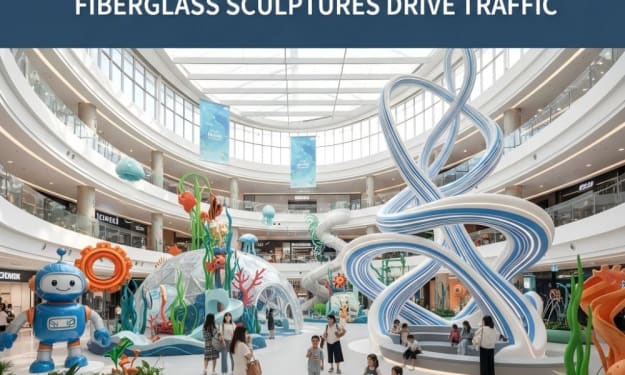
2026 Commercial Space Design:How Fbierglass Sculpture Drives Traffic
Today, offline commercial spaces are facing continuous pressure. With e-commerce offering convenient and fast services, physical stores must showcase unique features to attract customers. In this context, fiberglass sculptures are no longer merely decorative items; they have become visual focal points in shopping malls, brand stores, pop-up shops, and mixed-use commercial projects, playing a crucial role in increasing foot traffic.
By Shenzhen Ruiheng Craftsa day ago in Art
Why Strategic Branding Is Essential for Long-Term Business Growth
In today’s fast-paced digital environment, businesses face constant pressure to stand out. Consumers are exposed to endless choices every day, making attention harder to earn and trust harder to keep. While quality products and services are important, they are no longer the only factors that determine success. Strategic branding plays a key role in helping businesses grow steadily and remain relevant over time.
By Ayush Bagwaria day ago in Art



Comments
There are no comments for this story
Be the first to respond and start the conversation.