
Sustainable Fashion: How to Build an Eco-Friendly Wardrobe
Build an Eco-Friendly Wardrobe

Introduction
The fashion industry is one of the largest polluters in the world, but you can make a difference by building a sustainable wardrobe. Sustainable fashion focuses on Eco-friendly practices, ethical production, and mindful consumption. This article provides tips on how to build an eco-friendly wardrobe that is stylish and sustainable.
Understanding Sustainable Fashion
Sustainable fashion involves producing and consuming clothing in a way that minimizes environmental impact and promotes ethical practices. This includes using eco-friendly materials, reducing waste, and ensuring fair labor practices.
Choose Quality Over Quantity
Invest in high-quality clothing that will last longer, rather than buying cheap, fast-fashion items that wear out quickly. Quality pieces may cost more upfront, but they save money in the long run by reducing the need for frequent replacements.
Opt for Natural and Organic Materials
Choose clothing made from natural and organic materials, such as organic cotton, linen, hemp, and bamboo. These materials are biodegradable and have a lower environmental impact compared to synthetic fibers.
Support Ethical Brands
Support brands that prioritize ethical practices and transparency in their supply chains. Look for certifications like Fair Trade, Global Organic Textile Standard (GOTS), and B Corp, which indicate a commitment to sustainable and ethical production.
Buy Secondhand and Vintage
Buying secondhand and vintage clothing is a great way to reduce waste and give new life to per-loved items. Thrift stores, consignment shops, and online marketplaces offer a wide variety of stylish and unique pieces.
Rent or Borrow Clothing
For special occasions or events, consider renting or borrowing clothing instead of buying new items. There are many services that offer rental options for high-quality and designer clothing, allowing you to enjoy stylish outfits without the environmental impact.
Care for Your Clothes
Properly caring for your clothes can extend their lifespan and reduce the need for replacements. Follow care instructions, wash clothing in cold water, line dry when possible, and repair items instead of discarding them.
Capsule Wardrobe
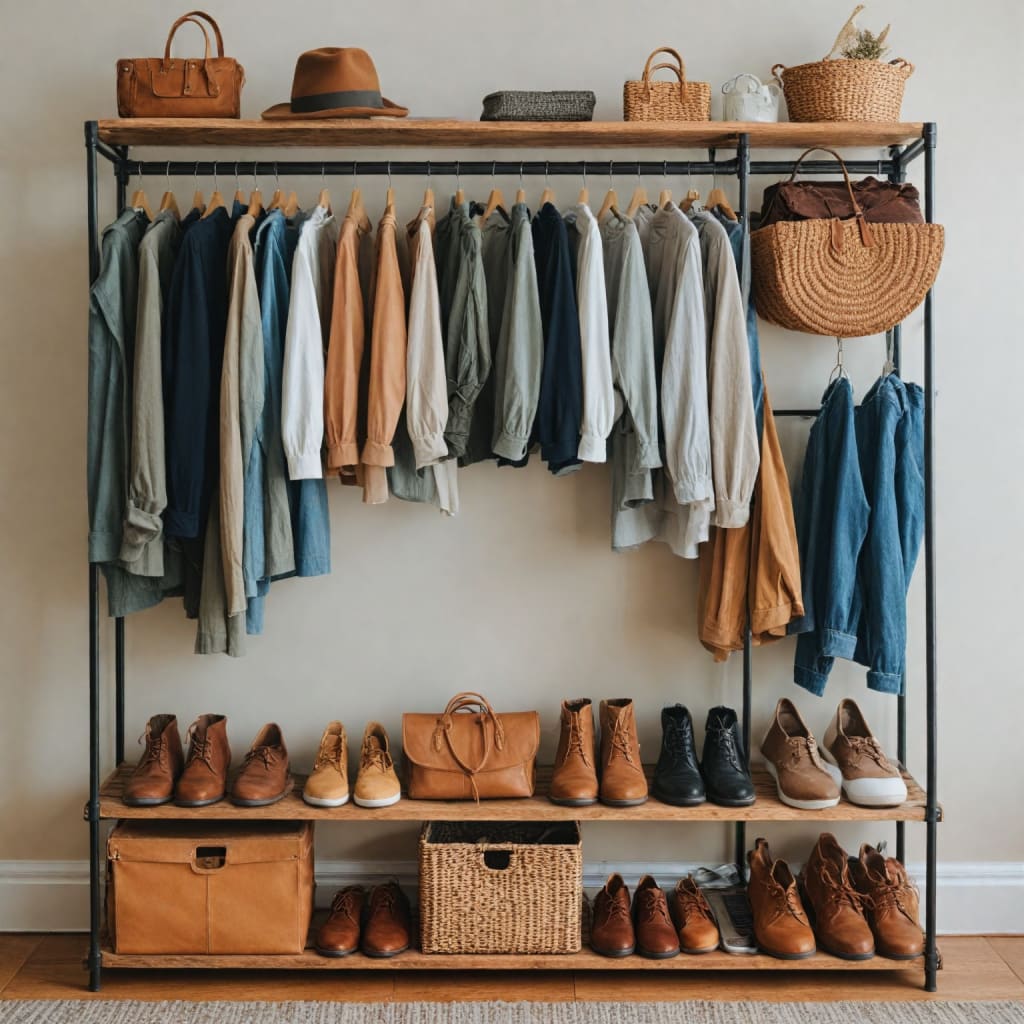
Build a capsule wardrobe with versatile, timeless pieces that can be mixed and matched. A smaller, curated wardrobe reduces the need for excessive clothing and ensures you have outfits that work for any occasion.
DIY and Up cycling
Get creative with DIY projects and up cycling to breathe new life into old clothing. Simple alterations, such as hemming or adding embellishments, can transform a piece and make it feel new again.
Avoid Fast Fashion
Fast fashion contributes to environmental degradation and unethical labor practices. Avoid brands that prioritize quick, cheap production over sustainability and ethical considerations. Instead, choose slow fashion brands that focus on quality and sustainability.
Donate and Recycle
When you no longer need an item, donate it to charity or recycle it through textile recycling programs. This helps reduce waste and gives your clothing a second life.
Educate Yourself
Stay informed about sustainable fashion practices and the impact of the fashion industry on the environment. The more you know, the better choices you can make to support a sustainable wardrobe.
Conclusion
Building a sustainable wardrobe is a conscious choice that benefits both the environment and society. By prioritizing quality, supporting ethical brands, and making mindful decisions, you can create an eco-friendly wardrobe that is both stylish and sustainable. Embrace sustainable fashion and make a positive impact with your clothing choices.
About the Creator
Derrick Juma
I am a Professional Freelance Writer and Software Engineer. I started content writing five years ago and have since written hundreds of thousands of words across many different types of writing: website content, blog posts e.t.c.
Keep reading
More stories from Derrick Juma and writers in Art and other communities.
Top 10 Travel Destinations for 2024
Introduction As we look forward to the year 2024, many are eager to explore new horizons and embark on exciting adventures. Whether you're seeking vibrant cities, breathtaking natural landscapes, or cultural treasures, these top 10 travel destinations for 2024 offer something for every traveler. Pack your bags and get ready to discover these must-visit spots!
By Derrick Juma2 years ago in Art
Why Nietzsche Belongs in 2026
As the world moves toward 2026, it does not feel like a calm progression into the future—it feels like a collision. Rapid technological acceleration, cultural fragmentation, economic uncertainty, and a deep crisis of meaning define the modern condition. Traditional authorities are distrusted, ideologies compete aggressively, and individuals feel both empowered and exhausted by choice. In such a landscape, Friedrich Nietzsche’s philosophy emerges not as a comfortable guide, but as a necessary one. Unsettling, demanding, and brutally honest, Nietzsche may offer the most fitting philosophical framework for the year ahead.
By Fred Bradford7 days ago in Art
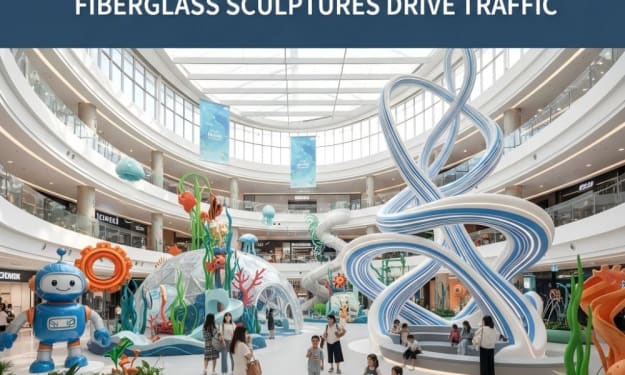
2026 Commercial Space Design:How Fbierglass Sculpture Drives Traffic
Today, offline commercial spaces are facing continuous pressure. With e-commerce offering convenient and fast services, physical stores must showcase unique features to attract customers. In this context, fiberglass sculptures are no longer merely decorative items; they have become visual focal points in shopping malls, brand stores, pop-up shops, and mixed-use commercial projects, playing a crucial role in increasing foot traffic.
By Shenzhen Ruiheng Crafts3 days ago in Art



Comments
There are no comments for this story
Be the first to respond and start the conversation.