
Simplification of Creativity on Social Media
(22.07.25)
This morning, as the soft July light crept through my studio’s shutters in Bretagne, I found myself thinking back to a quiet moment five months ago (on a chilly February morning) when I pressed “Publish” on the first episode of my ICHBW series: “Simplification of Creativity on Social Media.” Since then, the video has rested peacefully online, and that’s exactly how I like it.
I never staged a grand launch. I simply set up my laptop on the corner of my office table, pulled a fresh shot of espresso from my moka pot (my indispensable creative fuel), and hit record. My soundtrack that day was a gently crackling vinyl of Debussy’s “Clair de Lune,” a perfect counterpoint to the scribbled Post‑its scattered around me, diagrams of “echoes,” thumbnail sketches of “bulging” hooks, and bullet points on what I now call neo‑creativity.
In the video, I guide you through three core ideas:
- Resemblance as Anchor
How echoing familiar sounds, visuals, or references helps new content feel instantly relatable, even before the first word is spoken.
2. The Art of “Bulging”
How a carefully timed close‑up, a subtle sound cue, or a slight exaggeration can snatch attention without drowning your message in overproduction.
3. Neo‑Creativity’s Promise
Why embracing the rough cut, the unpolished take, and the beauty of saying more with less can make your content sing.
I couldn’t help but wonder, as the last “bulged” thumbnail faded from my screen, whether simplicity itself might be the most complex art of all. In our rush to add more layers: filters, animations, endless colour grades, do we sometimes lose the very spark that drew us to creation? Neo‑creativity reminds me that true resonance often hides in the unvarnished moment: the pause before a spoken word, the wobble of a hand‑held camera, the crackle of vinyl over a pristine digital track. It’s a quiet rebellion against overthinking, a philosophical nod to the idea that meaning isn’t built by piling on, but by peeling away until only the essence remains.
And so, as I wrap up this little dispatch from Bretagne, I find myself asking: what happens when we trust the grain of our raw material more than the gloss of post‑production?
Perhaps we’ll discover that in embracing our creative “rough cuts,” we’re really embracing ourselves with all our beautiful flaws and unexpected surprises. If you decide to let your next project live without its safety net of edits, let me know what emerges. After all, every unfinished draft holds the promise of something startlingly honest.
Avec toute ma créativité,
— JY & DM
About the Creator
Keep reading
More stories from writers in Art and other communities.
How Tattoo Parlours in Cape Town Help Clients Feel Comfortable and Informed
Walking into a tattoo parlour in cape town for the first time can feel strange. You are trusting someone with your skin, your story, and a design you might wear for life. It is normal to feel excited and scared at the same time.
By Tools of Trade Studios5 days ago in Art
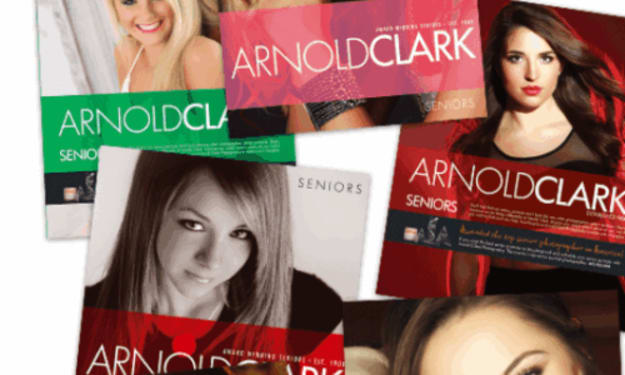
Arnold Clark Photography… The Pinnacle in High School Senior Portraits
Arnold Clark Photography sits on 24th Street in Omaha Nebraska, its front windows glowing softly long after most shops have gone dark. From the outside, it looks timeless with clean lines and framed portraits that hint at decades of stories. Inside, it is anything but stuck in the past.
By ArnoldClark Photographyabout 5 hours ago in Art



Comments
There are no comments for this story
Be the first to respond and start the conversation.