
Shades of Grey Color
Popular Shades of Grey Paint

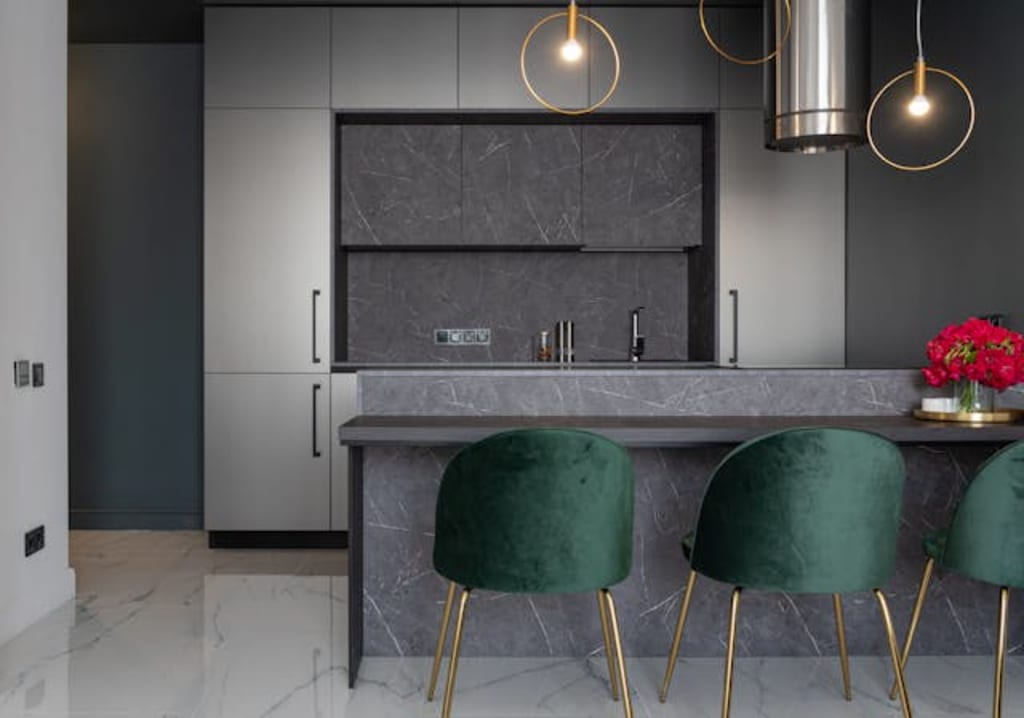
When you think of grey, what shades of grey color come to your mind..??? And when you think of grey what comes to your mind? A rainy day? A foggy morning? The color grey often evokes a sense of neutrality, balance, and subtle sophistication. But beyond its quiet demeanor, grey offers a versatile and dynamic palette that can transform any space, artwork, or wardrobe. Grey is no longer the plain, colorless tone it was once thought to be; it has evolved into a canvas for depth, expression, and style. In this article, we’ll dive into the captivating world of grey, exploring its various shades, significance, applications, and how it’s used across different fields.
1. Understanding the Basics of Grey
Grey is often described as an intermediate color between black and white. In technical terms, grey is an achromatic color, which means it lacks hue. It’s a result of mixing equal amounts of black and white or other complementary colors in specific proportions. However, within the scope of grey, there exists a range of tones that can either lean warm or cool, light or dark. This makes it one of the most versatile colors, able to blend seamlessly with any color scheme or design.
2. Shades of Grey color: The Full Spectrum
Grey doesn’t have to be “just grey.” From the faintest whisper of silver to the deepest charcoal, there are numerous shades of grey to explore. Here are some of the most popular tones and what they evoke:
a. Light Grey
Light grey is often associated with purity and simplicity. It’s soft and unobtrusive, making it a popular choice for minimalist designs and Scandinavian-inspired interiors. Light grey works well as a neutral base, pairing beautifully with pastel tones or darker accents.
b. Silver Grey
Silver grey has a slight shimmer, giving it a metallic feel that brings a modern, sleek vibe. This shade is popular in technology (think of gadgets) and is also widely used in fashion. It adds sophistication and elegance without being too bold.
c. Ash Grey
Ash grey has a hint of warmth, often described as a “dirty grey.” It is a little less formal, which makes it perfect for adding a relaxed and grounded feel to an environment. It’s commonly used in rustic and industrial designs.
d. Dove Grey
Dove grey is soft, gentle, and slightly warm. Named after the feathers of a dove, it’s a peaceful shade of grey often used in bedroom decor and cozy spaces where relaxation is key. It pairs well with whites, soft blues, and greens.
e. Slate Grey
Slate grey has blue undertones, giving it a cool and dramatic vibe. This shade is frequently used in contemporary design to create a bold contrast. Slate grey is popular for walls, tiles, and even kitchen cabinetry as it adds an element of sophistication and depth.
f. Charcoal Grey
Charcoal grey is a deep, dark shade that borders on black but retains the softness of grey. This shade exudes strength, confidence, and modernity. It’s commonly used in high-end fashion, architecture, and interior design for an elegant yet understated look.
g. Graphite Grey
Graphite grey is similar to charcoal but with a slightly warmer tone. It’s darker and adds a feeling of mystery and sophistication. This shade is perfect for luxurious spaces, where it can add a grounding effect to brighter accents.
3. The Symbolism and Psychology of Grey
Grey is often seen as a color of neutrality and balance, as it sits between the extremes of black and white. Psychologically, grey represents calmness, composure, and sophistication. Unlike brighter colors, grey doesn’t provoke strong emotions but instead creates a soothing environment, which is why it’s often chosen for interior design.
In fashion, grey conveys elegance and professionalism. It’s commonly used in business attire as it’s seen as a stable, reliable color. Grey can also reflect wisdom and maturity, as it’s associated with age and experience.
On the flip side, grey can sometimes represent indecision or a lack of confidence, as it’s a neutral color that doesn’t lean toward a definitive “yes” or “no.” Despite this, the versatility of grey means it can be molded to fit a range of moods and expressions, from comfort to refinement.
4. Applications of Grey in Interior Design
a. Grey as a Neutral Base
Grey is the ideal neutral for creating a cohesive space. It acts as a canvas, allowing other colors to shine while still adding depth. For example, pairing light grey walls with vibrant accent colors like mustard yellow or teal creates a balanced and modern aesthetic.
b. Monochromatic Grey Palettes
A monochromatic grey palette can be visually stunning when done correctly. By layering different shades of grey, designers can add texture and visual interest without overwhelming the space. This approach works well in minimalist and contemporary interiors, creating a sophisticated and calming atmosphere.
c. Grey with Metallic Accents
Grey pairs beautifully with metallics like silver, gold, and copper. These accents add a touch of glamour to an otherwise subdued color scheme. For instance, a dark grey wall with golden fixtures can create a luxurious feel, while silver and chrome with light grey add a modern edge.
d. Warm vs. Cool Grey in Different Rooms
Choosing between warm and cool greys is essential in setting the mood. Cool greys with blue undertones are great for high-energy areas like kitchens and bathrooms, while warm greys with yellow or brown undertones work well in cozy spaces like living rooms and bedrooms.
5. The Role of Grey in Fashion
a. The Power of Grey Suits
Grey is a classic choice in business fashion, especially in the form of suits. Light grey suits are perfect for spring and summer, while darker shades like charcoal are preferred for fall and winter. Grey suits convey a sense of professionalism without the stark formality of black.
b. Grey in Streetwear and Casual Fashion
Grey has also found its place in streetwear, often as hoodies, joggers, and casual tees. It’s a versatile color that pairs well with almost any other color, making it a staple in urban fashion. For instance, light grey joggers with a white T-shirt create a simple yet stylish look.
c. Accessorizing with Grey
Accessories in grey, such as scarves, gloves, and handbags, add an understated elegance to any outfit. Silver-grey accessories in particular add a touch of class without overpowering the overall look, making them a popular choice in both men’s and women’s fashion.
6. Grey in Art and Visual Design
a. Grey as a Background
In visual design, grey is often used as a background color, as it doesn’t compete with other elements. It allows vibrant colors to stand out and creates a balanced composition. In graphic design, websites, and advertisements, grey backgrounds provide a neutral base that focuses attention on the main message.
b. Achieving Depth and Contrast
Grey is frequently used to create depth in artwork, as it can emphasize light and shadow effectively. Artists use varying shades of grey to build contrast, giving three-dimensionality to their work. A mix of dark and light grey can create stunning visual effects that evoke emotion and realism.
c. Symbolic Uses of Grey in Art
Grey is often used symbolically to represent mystery, ambiguity, or neutrality. In surreal and abstract art, grey can represent the unknown or an emotional state of in-betweenness. This neutrality allows artists to convey complex ideas and emotions without explicit definitions.
7. Grey in Technology and Branding
Grey is a dominant color in technology and branding. Many tech brands, such as Apple, use grey in their products and branding to create an image of sophistication, modernity, and simplicity. Silver-grey tones, in particular, are associated with sleekness and quality, which is why they’re used in gadgets like smartphones, laptops, and tablets.
In branding, grey is used to convey a message of professionalism and reliability. Banks, law firms, and consulting companies often use shades of grey in their logos and branding materials, as it reflects trustworthiness without being overly flashy or aggressive.
8. The Future of Grey: Trends and Predictions
Grey has established itself as a timeless color, and its popularity shows no sign of waning. With the shift toward minimalist and eco-friendly lifestyles, grey is expected to remain a dominant color in interior design, fashion, and product design. Soft, muted tones of grey are also predicted to gain popularity, as they align with the current trend of calm, neutral aesthetics in homes and workspaces.
Another trend on the rise is pairing grey with earthy colors. As people seek to reconnect with nature, shades of grey are being combined with browns, greens, and terracotta to create serene, grounded environments that promote relaxation and well-being.
Conclusion: Embracing the Shades of Grey
The world of grey is much more complex and dynamic than it may seem at first glance. From its application in fashion to its symbolism in art, grey has a subtle yet powerful impact. Its range of shades allows for endless possibilities in design, art, and expression. Grey provides balance and elegance, offering a sophisticated neutrality that enhances other colors and tones. As we move forward, the many shades of grey will continue to evolve, reflecting changes in style, culture, and aesthetic preference.
Whether you’re choosing grey for your wardrobe, home, or creative project, the diverse shades of this color can help you express anything from calm and neutrality to boldness and depth. Embrace the nuances of grey and explore how this versatile color can add layers to your life, art, and personal style.
The Magic of Grey: Finding the Perfect Shade of Grey Paint for Your Home
When it comes to interior design, few colors offer the versatility, sophistication, and modernity that grey does. Grey paint shades have soared in popularity, gracing the walls of countless homes around the world and serving as the perfect canvas for various interior styles—from classic and contemporary to minimalist and industrial. If you’re considering grey for your next paint project, this guide will help you navigate through the many shades and nuances of this complex, adaptable color.
Why Choose Grey? Read More Here
About the Creator
Aasma Jabeen
Hi, I will always bring fresh and informative content for you to help in different aspects of life. Stay connected.
Keep reading
More stories from writers in Art and other communities.
The Path to Salvation
The late autumn evening air filled the monk's lungs, but it wasn't the season that chilled his bones. The heavy-handed presence of evil he had sensed upon entering the woods surrounding this mountain village had not bothered to conceal itself from him.
By Made in DNA2 days ago in Fiction


Comments
There are no comments for this story
Be the first to respond and start the conversation.