
Introduction
Rhododendron, a genus within the family Ericaceae, is renowned for its stunning floral displays and diverse species. With over 1,000 species, Rhododendron is one of the largest genera in the plant kingdom1. These plants are primarily found in the temperate regions of Asia, particularly the Himalayas, but they also thrive in parts of North America, Europe, and Australia1.
Taxonomy and Classification
The genus Rhododendron is divided into several subgenera, sections, and subsections based on morphological characteristics. The primary subgenera include:
Azaleastrum: This subgenus includes both evergreen and deciduous azaleas.
Hymenanthes: Known for large-leaved rhododendrons, this subgenus includes many popular garden species.
Rhododendron: This subgenus contains small-leaved species, often referred to as “lepidote” rhododendrons due to the presence of scales on their leaves2.
Morphological Diversity
Rhododendrons exhibit a wide range of forms, from small shrubs to large trees. The smallest species, such as Rhododendron lapponicum, grow to just 10-100 cm tall, while the largest, like Rhododendron protistum var. giganteum, can reach heights of up to 30 meters1. The leaves are typically spirally arranged and can vary significantly in size, from 1-2 cm to over 50 cm in length1.
Floral Characteristics
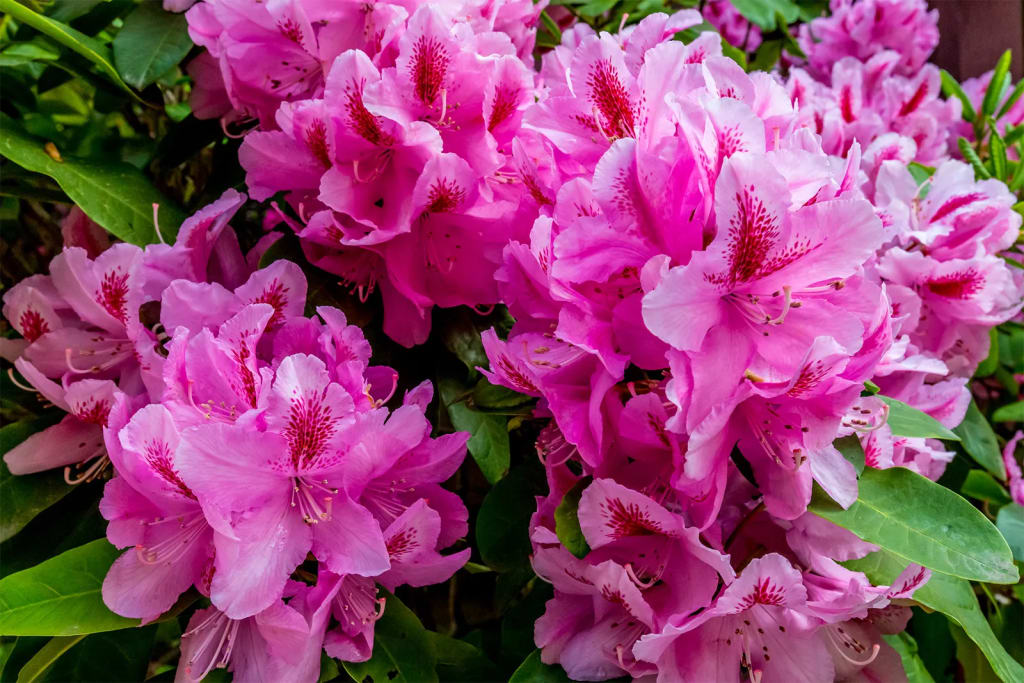
One of the most striking features of Rhododendrons is their flowers. These can range in color from white and pink to red, purple, and even yellow. The flowers are usually arranged in clusters and can be quite large, with some species boasting blooms up to 15 cm in diameter1. The genus name Rhododendron comes from the Greek words “rhodon” (rose) and “dendron” (tree), reflecting the rose-like appearance of the flowers1.
Ecological Significance
Rhododendrons play a crucial role in their native ecosystems. They often form dense thickets that provide habitat and food for various wildlife species. In the Himalayas, for example, Rhododendron forests are home to numerous bird species and serve as important foraging grounds for animals like the red panda1.
Cultivation and Uses
Rhododendrons are popular ornamental plants, prized for their beautiful flowers and foliage. They are commonly used in gardens and landscapes around the world. Cultivating Rhododendrons requires well-drained, acidic soil and a climate that provides adequate moisture without extreme heat2.
Challenges and Conservation
Despite their popularity, Rhododendrons face several challenges. Habitat loss due to deforestation and land development poses a significant threat to wild populations. Additionally, some species are susceptible to diseases such as Phytophthora root rot2. Conservation efforts are underway to protect these plants, including habitat preservation and the cultivation of endangered species in botanical gardens
Ecological Importance
Rhododendrons are not just beautiful plants; they play a significant role in their ecosystems. In their native habitats, they often form dense understories in forests, providing shelter and food for a variety of wildlife. For example, in the Himalayas, Rhododendron forests are crucial for the survival of the red panda, which relies on these plants for both food and habitat. The flowers of Rhododendrons are also an important nectar source for pollinators such as bees, butterflies, and birds.
Horticultural Varieties
The diversity within the Rhododendron genus has led to the development of numerous horticultural varieties. Gardeners and breeders have created hybrids that combine the best traits of different species, resulting in plants with enhanced flower colors, sizes, and blooming periods. Some popular hybrid groups include:
Yakushimanum Hybrids: Known for their compact growth and attractive foliage, these hybrids are derived from Rhododendron yakushimanum.
Lepidote Rhododendrons: These small-leaved varieties are often more cold-hardy and can thrive in a wider range of climates.
Elepidote Rhododendrons: These large-leaved varieties are prized for their impressive flower clusters and are often used as focal points in gardens.
Cultural Significance
Rhododendrons hold cultural significance in various regions. In Nepal, the Rhododendron arboreum, known locally as “Lali Gurans,” is the national flower and is celebrated for its vibrant red blooms. Festivals and celebrations often feature Rhododendron flowers, highlighting their importance in local traditions and folklore.
Conservation Efforts
Given the threats posed by habitat loss and climate change, conservation efforts for Rhododendrons are crucial. Botanical gardens and conservation organizations are working to preserve endangered species through seed banks, ex-situ cultivation, and habitat restoration projects. For instance, the Rhododendron Species Foundation and Botanical Garden in the United States focuses on the conservation and study of Rhododendron species from around the world.
Medicinal Uses
Some Rhododendron species have been used in traditional medicine. For example, Rhododendron tomentosum, also known as Labrador tea, has been used by indigenous peoples in North America for its medicinal properties. The leaves are brewed into a tea that is believed to have various health benefits, including relief from colds and respiratory issues. However, it’s important to note that some Rhododendron species contain toxic compounds and should not be consumed without proper knowledge and guidance.
Challenges in Cultivation
While Rhododendrons are popular garden plants, they can be challenging to grow. They require specific soil conditions, including well-drained, acidic soil with high organic matter content. Proper site selection is also crucial, as Rhododendrons prefer partial shade and protection from harsh winds. Gardeners must also be vigilant about pests and diseases, such as root rot and powdery mildew, which can affect the health of these plants.
Conclusion
Rhododendrons are a fascinating and diverse genus that offers much more than just aesthetic appeal. Their ecological importance, cultural significance, and horticultural value make them a vital part of both natural and cultivated landscapes. As we continue to appreciate and cultivate these plants, it is essential to support conservation efforts to protect their natural habitats and ensure their survival for future
About the Creator
Keep reading
More stories from Obo Nature and writers in Art and other communities.
Summer Trend 2024
Top Summer Trends for 2024 As the sun shines brighter and the days grow longer, summer 2024 is poised to be a season full of bold fashion statements, innovative beauty trends, and lifestyle upgrades that cater to a world hungry for both style and comfort. The season’s trends, influenced by the ever-evolving cultural shifts and the return of nostalgic elements, are an exciting blend of retro revival and futuristic innovation. Whether you’re lounging on a beach, attending summer festivals, or enjoying a rooftop
By Obo Natureabout a year ago in Art
How Tattoo Parlours in Cape Town Help Clients Feel Comfortable and Informed
Walking into a tattoo parlour in cape town for the first time can feel strange. You are trusting someone with your skin, your story, and a design you might wear for life. It is normal to feel excited and scared at the same time.
By Tools of Trade Studios6 days ago in Art
Smart phones, Humans and Aliens.
WARNING. I will be tapping into one of your favorite creative tensions: The absurdity of humans worshipping their glowing rectangles as if they were tiny oracles. There’s something deliciously poetic about that contradiction, and it lends itself beautifully to an instructive proviso.
By Novel Allen6 days ago in Poets



Comments
There are no comments for this story
Be the first to respond and start the conversation.