
"Preserving Tradition with Brushstrokes: How Fine Art Colleges in India Promote Indian Art Forms"
Promoting Indian Art Forms
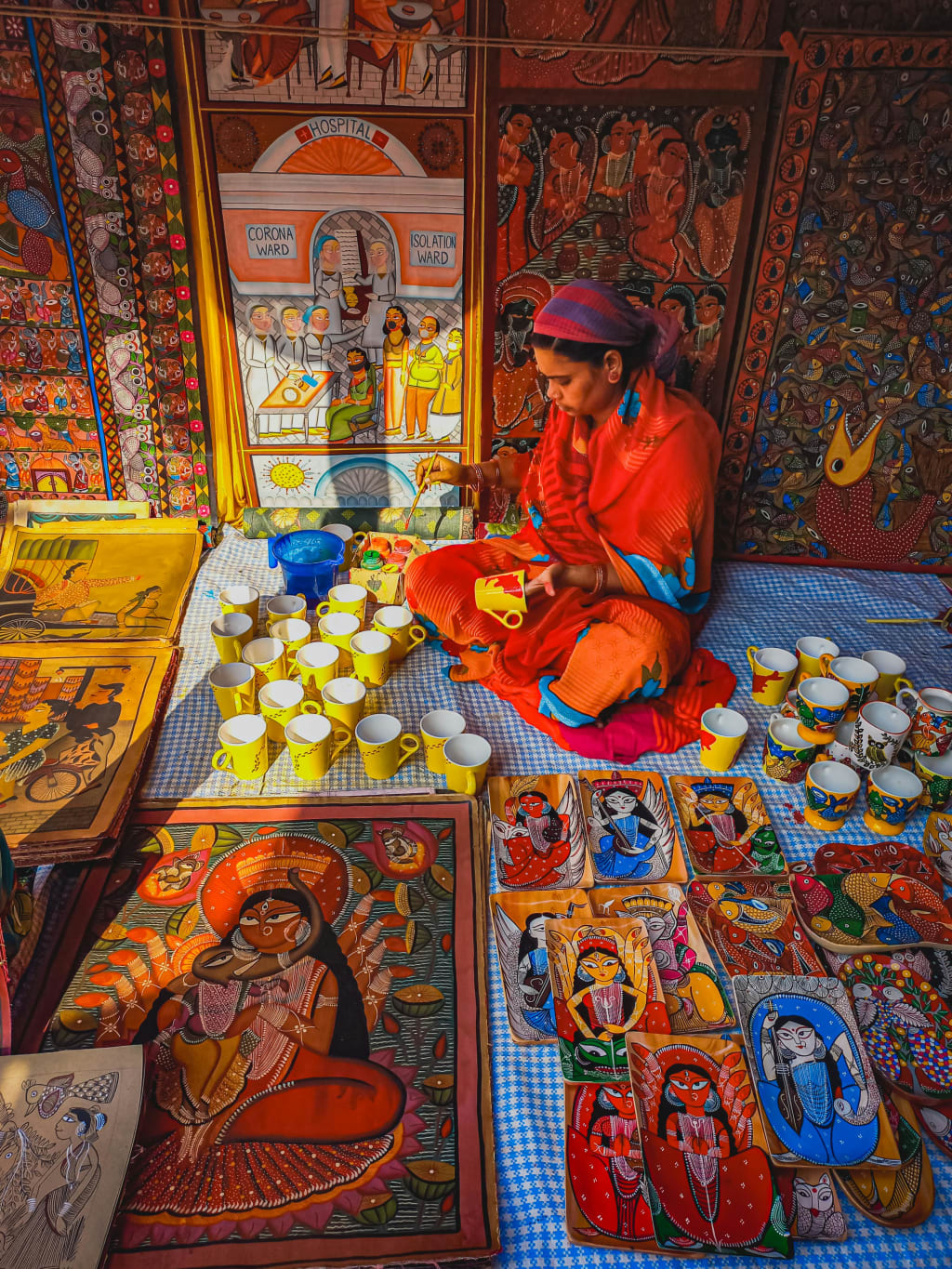
Fine art colleges in India play a significant role in preserving and promoting traditional Indian art forms, ensuring that these rich cultural practices are passed on to future generations. Here are some ways these institutions contribute to the preservation and promotion of traditional Indian art:
1. Dedicated Programs on Traditional Arts
Many fine art colleges in India offer specialized programs or courses focused on traditional Indian art forms such as Madhubani, Warli, Pattachitra, Tanjore painting, and Miniature painting. These programs teach students the techniques, history, and cultural significance behind these forms, helping them develop a deep understanding and respect for traditional arts.
2. Workshops and Masterclasses
Fine art colleges often organize workshops and masterclasses led by masters of traditional art forms. These workshops provide students with hands-on experience and the opportunity to learn directly from experienced practitioners. This exposure not only helps students gain technical skills but also helps preserve these traditions by ensuring they are practiced and understood in the modern context.
3. Research and Documentation
Institutions like the National Institute of Design (NID) or Kala Bhavana engage in research and documentation of traditional art forms. This can include recording the techniques, materials, and history of various art forms. Such initiatives are crucial for preserving these art forms for future generations and creating a database of knowledge that can be accessed by researchers and artists alike.
4. Collaborations with Regional Artists and Communities
Many fine art colleges collaborate with regional artists, communities, and cultural organizations to facilitate the exchange of knowledge. This collaboration helps students learn traditional techniques while fostering a sense of cultural pride and continuity. Additionally, such collaborations provide a platform for artists from rural or marginalized communities to showcase their work and keep traditional art alive.
5. Exhibitions and Cultural Events
Fine art colleges regularly host exhibitions and cultural events that celebrate traditional Indian art forms. These events provide students and faculty with a platform to showcase traditional artworks, often blending them with contemporary themes. It also raises awareness among the general public about the importance of preserving India’s diverse art heritage.
6. Integration with Modern Art Practices
Many fine art colleges in India are exploring ways to integrate traditional Indian art forms with contemporary art practices. By incorporating traditional techniques into modern media like digital art, installations, or performance art, colleges create a space where old and new ideas can coexist, ensuring that traditional art evolves without losing its essence.
7. Promoting Indigenous Materials and Techniques
Fine art colleges emphasize the use of indigenous materials and tools traditionally used in Indian art forms. For example, students might learn to work with natural dyes, handmade paper, or traditional brushes, helping preserve the authenticity of these techniques. These colleges also encourage students to experiment with traditional materials in innovative ways, bridging the gap between classical and modern art forms.
8. Public Awareness and Cultural Sensitization
Fine art colleges in India often take the lead in creating public awareness about the importance of preserving traditional art. Through exhibitions, talks, and seminars, they sensitize the public to the value of these art forms in maintaining cultural heritage. This public outreach plays a crucial role in ensuring that traditional arts remain relevant in the contemporary world.
9. Scholarships and Grants for Traditional Artists
Some colleges offer scholarships or grants to encourage students from rural areas or communities with rich traditions of craftsmanship to pursue higher education in fine arts. This helps preserve regional traditional arts by allowing talented individuals from these communities to develop their skills and contribute to the cultural landscape.
10. Cultural and Academic Integration
In many colleges, traditional art forms are not seen in isolation but are integrated into the broader curriculum, which includes art history, cultural studies, and ethnography. This holistic approach helps students understand the historical and cultural significance of traditional art, ensuring that its relevance is not lost in the fast-changing modern world.
Conclusion:
Fine art colleges in India are pivotal in ensuring the preservation and promotion of traditional Indian art forms. By offering dedicated programs, workshops, and platforms for creative expression, these institutions contribute to the continuity and evolution of India’s rich cultural heritage. In doing so, they help keep traditional arts alive, making them accessible to a new generation of artists and art enthusiasts.
About the Creator
Keep reading
More stories from writers in Art and other communities.
The Duelist
The rays of a dying red sun flashed against the onrushing blade. The grey beards say the key to dueling lies in size, speed, reach, righteous fury, whatever the person in front of them pays them to say. Matteo knew better than any it was none of these and had an undefeated record on these sands to prove it.
By Matthew J. Fromm3 days ago in Fiction



Comments (1)
Art is love. Love is art.