
Preserving Craft: How Artisan Tiles Keep a Dying Art Alive
Preserve the blending timeless techniques with modern design to keep this age-old art alive and thriving.

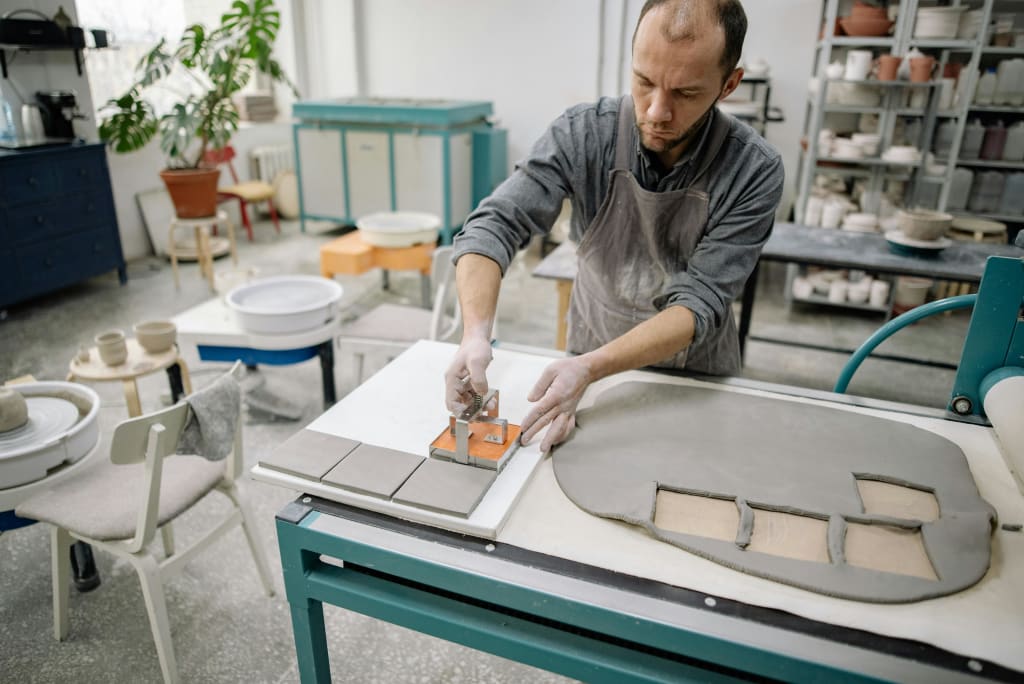
In an age dominated by mass production and industrialization, the charm of handcrafted artisan tiles remains a beacon of artistic authenticity. These tiles, created by skilled craftsmen, embody centuries of tradition and creativity.
Yet, as demand for quick and inexpensive alternatives grows, the art of tile-making faces an existential threat. Preserving this craft is not only about sustaining a unique art form but also about safeguarding cultural heritage and the livelihoods of artisans.
The Legacy of Artisan Tiles
Artisan tiles trace their origins back thousands of years to civilizations such as the Mesopotamians, Egyptians, and Moors. These tiles were more than mere functional pieces; they were expressions of culture, religion, and societal values. From the intricate mosaics of ancient Greece to the vibrant azulejos of Portugal, each tile tells a story of the people and times that created them.
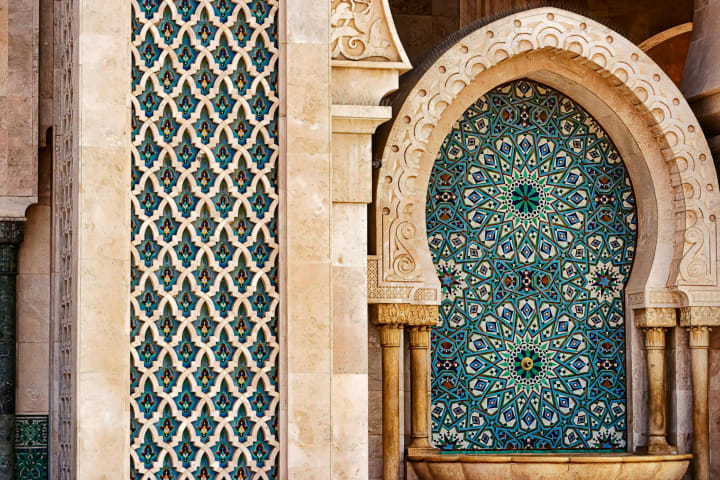
Crafted by hand, artisan tiles often incorporate traditional techniques passed down through generations.
Techniques like cuerda seca, zellige, and maiolica require meticulous skill, patience, and dedication. Each tile is unique, showcasing the artist's touch and reflecting the soul of the craft. Such artistry cannot be replicated by machines, making these tiles invaluable as both functional and decorative elements.
The Threat of Mass Production
Modern manufacturing techniques have enabled the production of tiles at an unprecedented scale and speed, catering to a consumer base that prioritizes affordability and convenience. While mass-produced tiles are practical, they lack the depth, character, and individuality of their handcrafted counterparts.
This shift has marginalized traditional artisans, leading to a decline in the number of craftsmen dedicated to the art. Many artisans struggle to compete with large factories and cheap imports, forcing them to abandon their craft. As a result, ancient techniques and designs risk being lost forever.
The Cultural Importance of Artisan Tiles
Artisan tiles are more than just products; they are cultural artifacts. Each tile reflects the region's history, aesthetics, and values. For instance, Moroccan zellige tiles are renowned for their geometric precision, representing the Islamic cultural emphasis on symmetry and unity. Similarly, Mexican Talavera tiles showcase vivid colors and patterns influenced by Spanish colonial heritage.
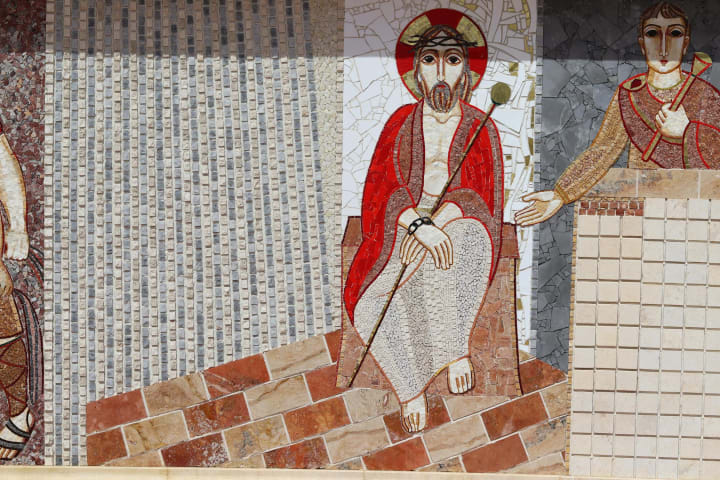
Preserving artisan tile-making means preserving these cultural narratives. Without them, we lose a vital connection to our past and the diverse traditions that shape our identities. Supporting this craft ensures that future generations can experience the beauty and stories embedded in these tiles.
The Role of Artisans in Sustaining Traditions
Artisans are the guardians of this age-old craft. Their expertise, honed over years of practice, is essential to maintaining the quality and authenticity of quality artisan tiles. These craftsmen often work in small studios or family-run workshops, using traditional methods that emphasize attention to detail and sustainable practices.
By choosing to preserve and pass on their skills, artisans play a crucial role in sustaining cultural traditions.
Renowned for their commitment to craftsmanship, clè’s quality artisan tiles exemplify this tradition, blending timeless techniques with innovative designs to create pieces that bring character and elegance to any space.
Many tile-makers mentor apprentices, ensuring that their knowledge is not lost. In regions like Andalusia, Fez, and Puebla, artisans continue to produce tiles using techniques that have remained unchanged for centuries. Their dedication keeps the craft alive, bridging the gap between history and modernity.
Why Preservation Matters
- Cultural Identity: These tiles are a tangible representation of cultural identity. Preserving them helps maintain the uniqueness of different regions and their artistic expressions.
- Sustainability: Unlike mass-produced tiles, artisan tiles often use eco-friendly materials and processes. Supporting this craft promotes sustainable practices in the design and construction industries.
- Economic Impact: Artisan tile-making provides livelihoods for countless craftsmen and their families. By preserving this art, we support local economies and empower communities.
- Aesthetic Value: The timeless beauty of these artisan tiles enhances any space. Their imperfections and uniqueness make them more appealing than uniform, machine-made alternatives.
How to Support and Preserve Artisan Tile-Making
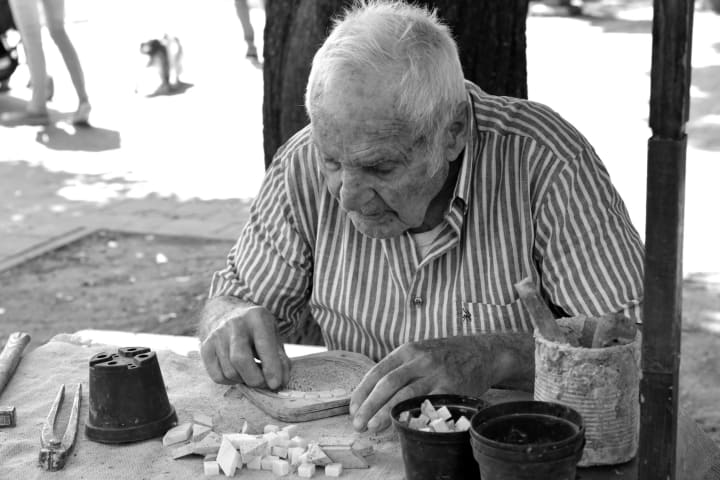
Preserving the craft of artisan tiles requires collective effort from individuals, organizations, and governments. Here are some ways to support this art form:
1. Invest in Artisan Tiles
Consumers can make a significant impact by choosing handcrafted tiles over mass-produced ones. While they may be more expensive, artisan tiles offer unmatched quality, durability, and aesthetic value. Supporting local artisans also helps sustain their craft and livelihoods.
2. Promote Awareness
Raising awareness about the importance of artisan tiles can inspire more people to appreciate and invest in them. Social media campaigns, exhibitions, and educational programs can highlight the craftsmanship and cultural significance of these tiles.
3. Encourage Collaboration
Collaboration between artisans, designers, and architects can create new opportunities for the craft. By incorporating artisan tiles into contemporary projects, professionals can help keep the art relevant and in demand.
4. Provide Financial Support
Governments, NGOs, and private organizations can offer grants, subsidies, and training programs to support artisans. Financial assistance can help craftsmen modernize their workshops, access markets, and train apprentices.
5. Document and Archive Techniques
Efforts should be made to document traditional tile-making techniques and designs. This knowledge can serve as a valuable resource for future generations and prevent the loss of cultural heritage.
The Modern Appeal of Artisan Tiles
Despite the challenges, artisan tiles are experiencing a resurgence in popularity. Homeowners and designers are increasingly seeking unique, handmade elements to personalize their spaces. Artisan tiles, with their rich textures and intricate designs, fit this demand perfectly. From kitchen backsplashes to bathroom walls and outdoor patios, these tiles bring character and warmth to any environment.
This renewed interest has also encouraged innovation within the craft. Artisans are experimenting with contemporary designs, materials, and techniques while staying true to their roots. This fusion of tradition and modernity ensures that the art remains dynamic and relevant.
Parting Thoughts
The preservation of artisan tiles is a testament to the enduring value of human creativity and cultural heritage. In a world driven by efficiency and uniformity, these tiles remind us of the beauty of individuality and craftsmanship. By supporting artisans and celebrating their work, we not only keep a dying art alive but also enrich our lives with the stories and traditions they represent.
Let us cherish and preserve artisan tiles, for they are more than just tiles; they are pieces of history, art, and humanity. Together, we can ensure that this remarkable craft continues to inspire and thrive for generations to come.
About the Creator
Esther Salles
“I love to write the stories that make me wonder!”
A storyteller who is curious, creative, and like weaving words from the observations around the world - because afterall, we live in - A Fascinating One.
Keep reading
More stories from Esther Salles and writers in Art and other communities.
Smart phones, Humans and Aliens.
WARNING. I will be tapping into one of your favorite creative tensions: The absurdity of humans worshipping their glowing rectangles as if they were tiny oracles. There’s something deliciously poetic about that contradiction, and it lends itself beautifully to an instructive proviso.
By Novel Allen4 days ago in Poets


Comments
There are no comments for this story
Be the first to respond and start the conversation.