
Porcelain Speaks: A Potter’s Last Work
Handcrafted porcelain in a traditional Chinese workshop A tribute to the timeless craft of Chinese ceramics
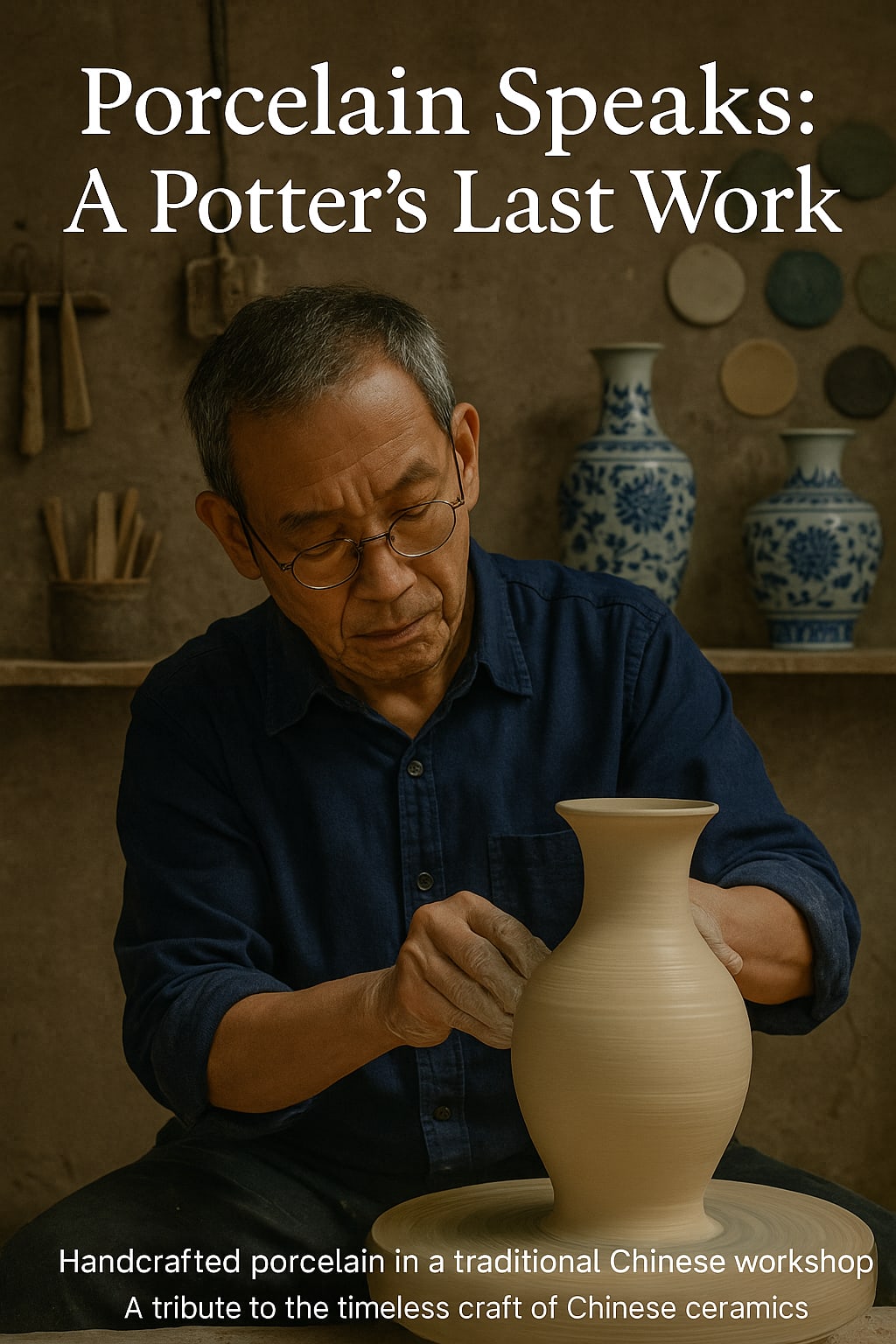
In a remote corner of Jiangxi Province, a gentle rhythm echoes each morning—the steady hum of a pottery wheel turning under the hands of Master Lin, a seventy-four-year-old ceramic artist known to few but respected by all who know him. His studio is simple: clay-stained walls, shelves filled with vases and bowls in varying stages of birth, and a scent of earth, fire, and patience.
Lin believes that porcelain is not simply created—it is raised. “Porcelain is silent,” he says, “but it speaks for those who listen.” Every vase he crafts carries a memory: the shape of a river he crossed as a boy, the glaze of a Ming dynasty piece he once held, the texture of his wife’s voice when she used to sing by the kiln.
The craft has been in his family for five generations. His grandfather worked for imperial kilns. His father glazed bowls for war refugees. Lin, however, chose solitude. He never mass-produced, never signed his works. He believed the fire knew the potter’s name.
Visitors from cities often come, hoping to buy something rare. But Lin rarely sells. He offers tea instead, and sometimes, if they are lucky, a story. One young artist once asked him, “Why do you still do this, every day?” Lin looked at his hands, rough from years of clay, and smiled: “Because the clay still answers me.”
His final work, an unfinished vase he left by his wheel, was fired by his son after Lin passed away last winter. It cracked slightly along the rim—not from flaw, but from honesty. They named it Unspoken Words.
Today it sits in a quiet museum gallery, lit by a single shaft of afternoon sun. No plaque. No artist bio. Only the vase, whispering still.
About the Creator
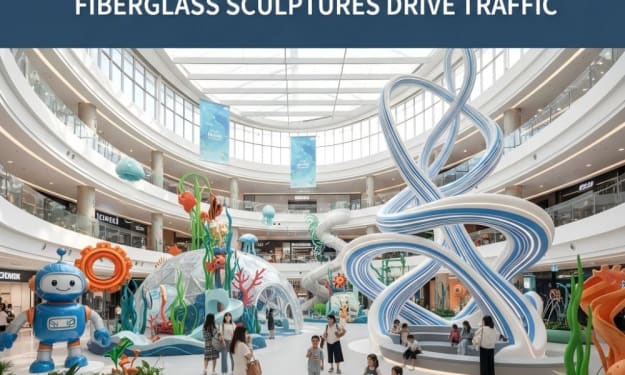
2026 Commercial Space Design:How Fbierglass Sculpture Drives Traffic
Today, offline commercial spaces are facing continuous pressure. With e-commerce offering convenient and fast services, physical stores must showcase unique features to attract customers. In this context, fiberglass sculptures are no longer merely decorative items; they have become visual focal points in shopping malls, brand stores, pop-up shops, and mixed-use commercial projects, playing a crucial role in increasing foot traffic.
By Shenzhen Ruiheng Crafts5 days ago in Art
Why Strategic Branding Is Essential for Long-Term Business Growth
In today’s fast-paced digital environment, businesses face constant pressure to stand out. Consumers are exposed to endless choices every day, making attention harder to earn and trust harder to keep. While quality products and services are important, they are no longer the only factors that determine success. Strategic branding plays a key role in helping businesses grow steadily and remain relevant over time.
By Ayush Bagwari5 days ago in Art



Comments
There are no comments for this story
Be the first to respond and start the conversation.