
Minimalism in Interior Design
The Art of Timeless Simplicity


Minimalism is no longer a short-lived fad. It has evolved into a lifestyle—a deliberate choice to live with purpose, clarity, and peace. Minimalist interiors offer a sanctuary in today’s noisy world, both visually and mentally. They go beyond appearances, creating environments that foster clear thinking, easy movement, and a profound sense of belonging.
By removing the unnecessary and focusing on what truly matters, minimalist interior design creates balance, simplicity, and timeless elegance. Its appeal lies in its enduring quality, ensuring spaces remain relevant and beautiful for decades.
What Defines Minimalist Design?
At its core, minimalism embraces the idea that “less is more.” Every element has a distinct function and purpose. This is reflected in clean lines, uncluttered surfaces, and the absence of unnecessary decoration. However, minimalist spaces are not cold or unwelcoming—they are thoughtfully curated.
A truly minimalist home impresses not with extravagance, but with quiet sophistication. Every material, every line, and every beam of light is intentional. Every piece of furniture or décor has a clear reason for being there. The beauty lies not in quantity, but in the quality and meaning of each element.

Key Aspects of Minimalist Interior Design
1. Subtle, Calming Color Palettes
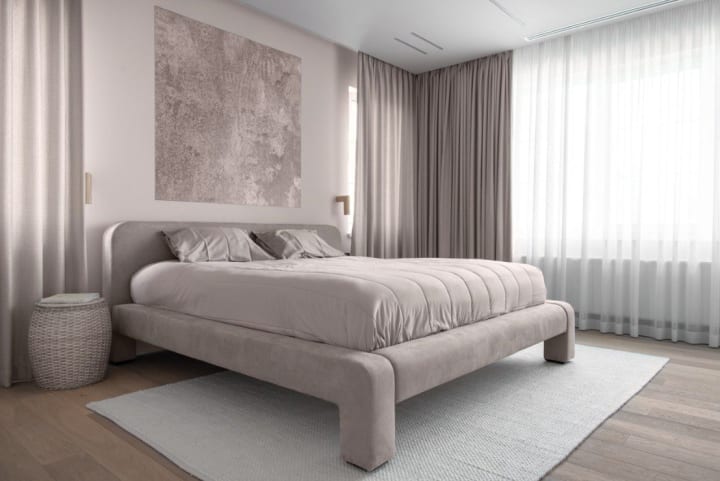
Neutral tones—soft whites, muted grays, warm beiges—form the foundation. These hues create a calming backdrop, allowing statement pieces or natural light to stand out. Layering tones within this palette prevents the space from feeling flat.
For example, warm cream paired with sandy beige, or cool gray combined with taupe, adds depth without losing harmony.
2. Purpose-Driven Furniture
Furniture is selected for functionality and adaptability. Pieces often serve multiple purposes, like a bench with storage or a dining table that extends for guests. The result is a spacious, distraction-free environment where craftsmanship is appreciated.
3. Natural Materials with Character
Wood, stone, glass, and metal introduce warmth, texture, and authenticity. The natural beauty of these materials is celebrated, not hidden. Oak dining tables, walnut cabinetry, marble countertops, or handwoven linen curtains—all bring tactile richness.
Here, details matter: even modern fittings and modern furniture can elevate the look, combining contemporary elegance with practical function.. Such accents not only complete the design but also express a refined personal taste.
4. Open, Airy Spaces
Open layouts, clear sightlines, and abundant natural light are essential. Spaces are arranged to encourage flow and create a sense of calm. Removing unnecessary partitions, keeping windows unobstructed, and arranging furniture for easy movement all help the interior “breathe.”
5. Curated Decorative Elements
Minimalism doesn’t mean stripping away personality. Carefully chosen accents—a striking piece of art, a sculptural vase, or a handmade rug—add depth and individuality. Limiting decorative items allows each to carry greater emotional and visual weight.
Why Choose Minimalism?
Timeless Appeal
Minimalist interiors transcend trends. Their focus on simplicity and functionality ensures they remain stylish for decades, avoiding the constant cycle of updates demanded by fashion-driven designs.
Wellness-Oriented Living
A clutter-free home supports mental clarity. By reducing visual distractions, minimalist spaces foster focus, relaxation, and a sense of well-being—qualities especially valuable in today’s fast-paced world.
Practicality and Sustainability
Minimalism encourages investing in durable, high-quality pieces that stand the test of time. This reduces waste, supports sustainable consumption, and makes homes easier to maintain.
How to Incorporate Minimalism into Your Home
- Start with Decluttering – Remove items you don’t use or love. Keep only what adds value or beauty to your life.
- Prioritise Quality Over Quantity – Choose fewer, better-made pieces.
- Create a Cohesive Palette – Stick to a consistent range of colours.
- Maximise Natural Light – Keep windows unobstructed, use sheer curtains.
- Integrate Hidden Storage – Built-in cabinetry keeps surfaces clear.
- Embrace Negative Space – Let the room breathe; don’t overfill.
Going Beyond Aesthetics: The Emotional Side of Minimalism
Minimalism is not just about how your home looks—it’s about how it makes you feel. Entering a well-designed minimalist space often brings a sense of relief, as though the room itself exhales.
The absence of excess allows you to appreciate the items you do keep. A single flower in a vase feels more meaningful; a morning coffee becomes more special when enjoyed in uncluttered surroundings.
Minimalism as Quiet Luxury
In recent years, minimalism has evolved into “quiet luxury”—a form of understated elegance focused on craftsmanship, timelessness, and sensory experience.
Quiet luxury is not about showing off wealth but about living richly in terms of quality and meaning. A hand-carved table, a bespoke linen sofa, or a stone basin with unique texture are luxuries because they are made with care and built to last.
Living Minimalism: Bringing Spaces to Life
Living minimalism is dynamic—it adapts to seasons, routines, and the evolving needs of its inhabitants. The coffee cup left after breakfast, the stack of books by a favourite chair, or soft creases in linen curtains are not flaws but signs of life.
Nature also plays a role: a branch in a vase replaced with seasonal greenery, light adjusted with curtains to create new moods. These changes require no major renovations—just attentiveness and interaction with your home.

Minimalism in Practice: Room-by-Room Strategies
Living Room – Define the room’s purpose—reading, conversation, or entertaining. Choose seating that encourages interaction. Keep surfaces clear except for a few curated items. Layer lighting for versatility.
Bedroom – Keep the bed as the focal point. Use breathable, natural fabrics. Integrate storage to eliminate clutter. Choose a single statement element like a headboard or art piece.
Kitchen – Focus on concealed storage and clean lines. Keep counters clear. Use durable, timeless materials like stone or wood.
Bathroom – Create spa-like simplicity with floating vanities, wall-mounted taps, and a restrained colour palette. Use texture for depth.
Sensory Minimalism: Engaging All the Senses
- Touch – Mix textures: smooth stone, warm wood, soft textiles.
- Sound – Use rugs and curtains to absorb noise; let natural materials create pleasant resonance.
- Scent – Keep fragrances subtle and natural.
- Light – Balance natural and artificial lighting for mood and comfort.
The Discipline of Editing
Minimalism requires ongoing evaluation. A “one in, one out” rule keeps possessions at a manageable level. Choose intentionally, not impulsively.
Common Mistakes to Avoid
- Confusing minimalism with emptiness.
- Over-relying on white without texture.
- Ignoring comfort.
- Forgetting maintenance needs.
- Following trends blindly.
Cultural Influences in Minimalist Design
- Japanese Wabi-Sabi – Beauty in imperfection and natural wear.
- Scandinavian Hygge & Lagom – Comfort, balance, and “just enough.”
- Modernist Principles – Form follows function, clean lines, open spaces.
- Mediterranean Simplicity – Sunlit interiors, natural textures, earthy tones.
Minimalism and Sustainability
Minimalism naturally supports sustainable living—buying less, choosing quality, repairing instead of replacing. Vintage finds and timeless designs reduce waste and add unique character.
Technology in Minimalist Interiors
Integration is key—hidden wiring, built-in speakers, and smart systems maintain a clean aesthetic while enhancing functionality.
Minimalism for Small Spaces
Small areas benefit greatly from minimalism. Use multifunctional furniture, light colours, vertical storage, and pieces proportionate to the room.
Minimalism as a Daily Experience
Minimalism is a living practice. Morning light on a bare wall, rain on the window, or the smooth feel of stone become magnified moments in a thoughtfully designed home.
Expert Tips for Deepening Your Minimalist Practice
- Start with one room.
- Edit seasonally.
- Invest in quality.
- Layer textures, not quantity.
- Let light guide layout.
Minimalism is about creating a home that is not just visually pleasing but restorative—a place to reset, recharge, and live fully.
Whether in a small apartment or a spacious house, minimalism transforms your space into a timeless, meaningful sanctuary by focusing on light, space, quality, and purpose.
About the Creator
Kitchen Help by Amy Lyn Bihrle
Introduction I follow The Reiki Cat Lady on Facebook as they share some wonderful feline artwork and this lovely funny one caught my eye to inspire a story. They remind me of my friends Cherri and Amanda's and my daughter Juliet's cats that know where all the treats are hidden, in the kitchen.
By Mike Singleton 💜 Mikeydred 2 days ago in Art




Comments
There are no comments for this story
Be the first to respond and start the conversation.