
Macro Photography: Capturing the Smallest Details
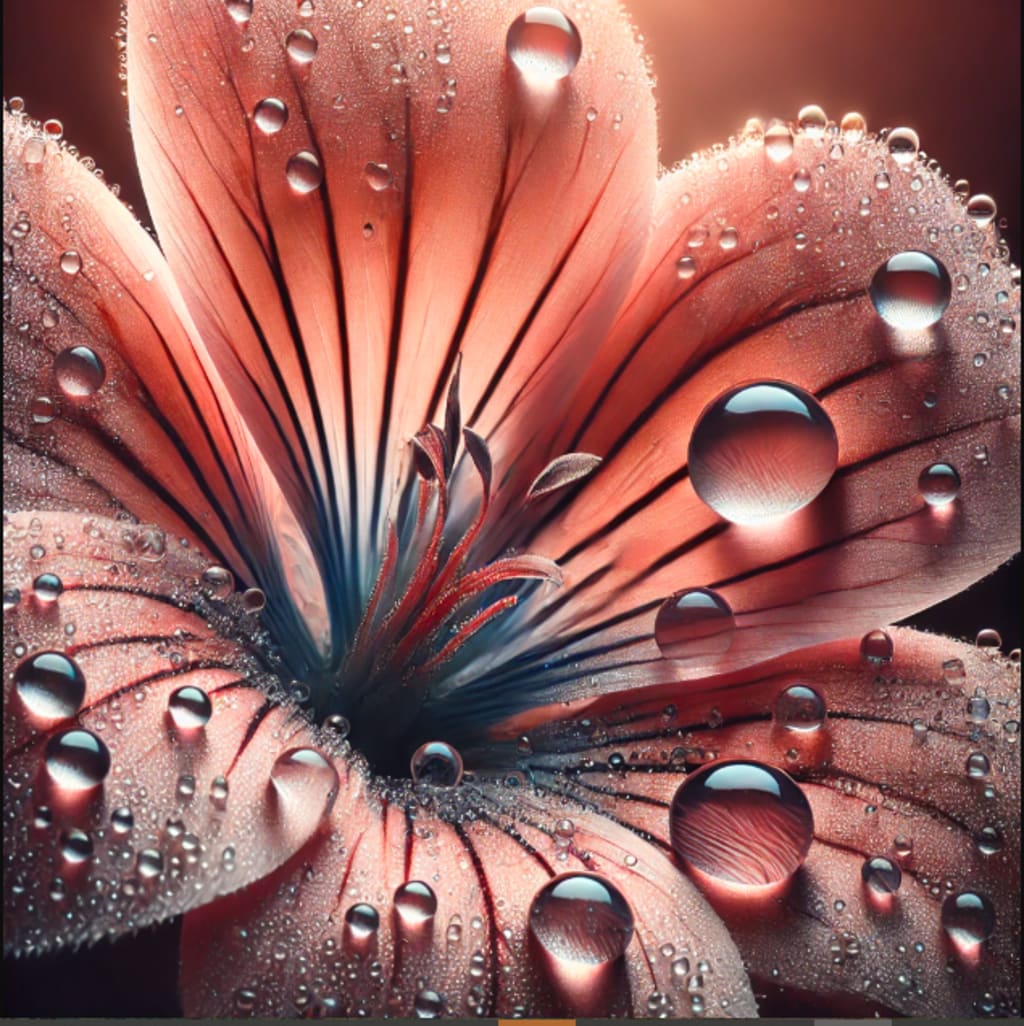
Macro photography is an art form that unveils a hidden world, revealing intricate details that often go unnoticed by the naked eye. This genre of photography allows photographers to explore subjects at a microscopic level, capturing the smallest textures, patterns, and movements in stunning clarity. From the delicate veins on a leaf to the tiny droplets of water on a spider’s web, macro photography offers a fascinating way to showcase the beauty and complexity of the world around us.
In this post, we’ll dive into what macro photography is, how to get started, and tips for achieving the sharpest, most detailed images of your tiny subjects.
What is Macro Photography?
Macro photography focuses on capturing subjects at very close distances, typically at a 1:1 ratio or higher. In simple terms, it involves photographing very small objects or details at a much larger scale than what the human eye perceives. Whether it’s a bee collecting nectar or the texture of a flower petal, macro photography offers a detailed view of the world that we rarely get to see.
Macro photography is characterized by its ability to magnify tiny details, allowing the photographer to show textures, patterns, and features that are often invisible without the aid of specialized equipment. Common subjects for macro photography include insects, flowers, food, jewelry, and everyday objects. However, the possibilities are endless—anything small enough to fit in the frame can be captured in stunning detail.
Essential Gear for Macro Photography
Getting started in macro photography requires the right tools. Here are the essential pieces of equipment you’ll need to capture the smallest details:
Macro Lens: A true macro lens allows you to focus on small subjects at close distances and achieve a 1:1 magnification ratio. These lenses are specifically designed for close-up work and provide sharp, crisp images with minimal distortion. Popular macro lenses include the Canon EF 100mm f/2.8L IS USM and the Nikon 105mm f/2.8G VR Micro.
Tripod: Stability is crucial in macro photography, as even the smallest movement can lead to a blurry image. A sturdy tripod will help keep the camera still and ensure sharp focus. Look for a tripod with adjustable legs that can reach low to the ground, perfect for photographing insects or flowers.
Macro Extension Tubes: If you don’t have a dedicated macro lens, you can use macro extension tubes, which fit between your camera body and lens to allow for closer focusing. While they don’t provide the same level of magnification as a true macro lens, they can still help capture detailed close-up shots.
Focus Stacking Rail: Macro photography often requires an extended depth of field, as the shallow depth of field can cause parts of the subject to be out of focus. A focus stacking rail allows you to take multiple shots at different focus points and merge them together later to create a single, sharp image throughout the entire subject.
Lighting Equipment: Since macro photography often involves photographing small objects in low light, proper lighting is essential. Use a ring light or a small portable flash to illuminate your subject. Reflectors can also help bounce light onto the subject to reduce shadows and enhance details.
Techniques for Macro Photography
Now that you have the right gear, it’s time to dive into the techniques that will help you capture stunning macro shots.
Achieving the Right Focus: In macro photography, the focus is extremely critical. Even a slight misfocus can make the image blurry or ruin the tiny details. Use manual focus for better control over what part of the subject you want to focus on. It’s also helpful to use a tripod to prevent camera shake and maintain consistency in focus.
Depth of Field Control: One of the challenges of macro photography is managing the shallow depth of field. At close distances, only a small portion of the subject will be in focus. To overcome this, you can either increase the aperture (use a higher f-stop number) or use a technique called focus stacking. This involves taking multiple shots at different focus points and merging them in post-processing to create a final image with greater depth of field.
Lighting the Subject: Proper lighting is essential to show off the fine details of your subject. Natural light can be great for outdoor macro photography, but if you’re shooting indoors or in low-light conditions, consider using a ring light or off-camera flash to illuminate your subject evenly. Avoid using harsh lighting, as it can create unwanted shadows or overexposure. Soft, diffused light works best.
Composing the Image: Composition in macro photography plays a key role in making your image visually interesting. Try experimenting with different angles to capture the subject from unique perspectives. Sometimes, shooting from below or at an angle can reveal new textures or patterns in the subject that you wouldn’t see from a traditional top-down view.
Patience and Observation: Macro photography often requires patience. Subjects like insects, for example, can be elusive and difficult to capture. Take your time to observe their movements, and wait for the right moment to snap the shot. The beauty of macro photography is that it allows you to slow down and appreciate the small details of the world around you.
Creative Focus: Macro photography isn’t just about technical skill—it’s also about creativity. Use your creativity to explore abstract macro photography, where you focus on unique textures and patterns without worrying about the subject’s identity. This style can result in stunning, artistic images that are both visually captivating and thought-provoking.
Common Macro Photography Subjects
Some of the most popular subjects for macro photography include:
Insects: Bees, butterflies, and ants are common subjects for macro photographers. Their small size, intricate wings, and detailed textures make them fascinating to capture up close.
Flowers: Flowers offer a wealth of detail, from the delicate petals to the intricate patterns inside the blooms. Capturing flowers in full bloom with close-up shots allows you to highlight their beauty in ways that can’t be seen with the naked eye.
Water Droplets: Water droplets can create stunning reflections and refractions, making them a favorite subject in macro photography. Try capturing droplets on leaves, flowers, or even a spider’s web to create visually captivating images.
Everyday Objects: Macro photography can also reveal the beauty in everyday objects. From textures on a piece of fabric to the fine details of a watch or piece of jewelry, macro photography lets you find beauty in the small things we often overlook.
Conclusion
Macro photography is a powerful tool that allows photographers to see the world from a fresh perspective. By focusing on the smallest details, macro photographers can create striking images that highlight the beauty of nature, everyday objects, and more. Whether you’re an experienced photographer or a beginner, mastering macro photography opens up a whole new world of creative possibilities.
Promotional Content: Anqa - Best Macro Photography Services in Italy
If you're looking for stunning macro photography services in Italy, look no further than Anqa. Our expert photographers specialize in capturing the smallest details, from the delicate wings of insects to the intricate textures of flowers. We understand the importance of lighting, focus, and composition in macro photography, and we work with precision and creativity to deliver images that are truly mesmerizing.
Whether you need macro shots for a personal project, advertising, or a professional portfolio, Anqa is dedicated to providing high-quality results that will exceed your expectations. Our state-of-the-art equipment and skilled team ensure that every detail is captured with the utmost clarity and artistic flair.
Why choose Anqa for your macro photography needs in Italy?
Expertise: Our photographers are skilled in capturing tiny details and bringing them to life through macro photography techniques.
Precision: We use the latest gear and advanced techniques to ensure sharp, clear images that showcase every fine detail.
Tailored Services: Whether you're shooting nature, products, or abstract compositions, we provide customized photography services to suit your needs.
Creativity: We bring a creative eye to every project, producing unique and captivating macro photographs that tell a story.
No matter where you are in Italy, Anqa is here to help you capture the beauty of the smallest details through expert macro photography. Contact us today to discuss your project and let us create stunning close-up images that reveal the hidden beauty of the world around you.
About the Creator
Keep reading
More stories from writers in Art and other communities.
Valentino Garavani
In the golden age of couture, when fashion was less about speed and more about soul, one name quietly rose to become synonymous with timeless elegance: Valentino Garavani. To speak of Valentino is to speak of romance, discipline, beauty, and a lifelong devotion to the art of dressing the world’s most admired women.
By S.A Charles6 days ago in Art
🅼🅸🅳🅽🅸🅶🅷🆃 🆂🅽🅰🅲🅺🆂
"It's 10 in Tuscon! We all know what that means... It's Time for Midnight Snacks with your man, Gerald Gee! Ready to spend the night together? Me too! I'm full of snacks and can't wait to regurgitate them all back into your hungry ears. Crack a brew! Pop some corn! Anything to get ready for one hell of a show where the talk maybe cheap but the words cut deep...
By Lamar Wiggins3 days ago in Fiction



Comments
There are no comments for this story
Be the first to respond and start the conversation.