
Kenneth Wayne and the Modigliani Deception: How a Trusted Art Historian Betrayed the Art World’s Faith
The story of how Kenneth Wayne built credibility, exploited trust, and pushed disputed paintings as priceless masterpieces
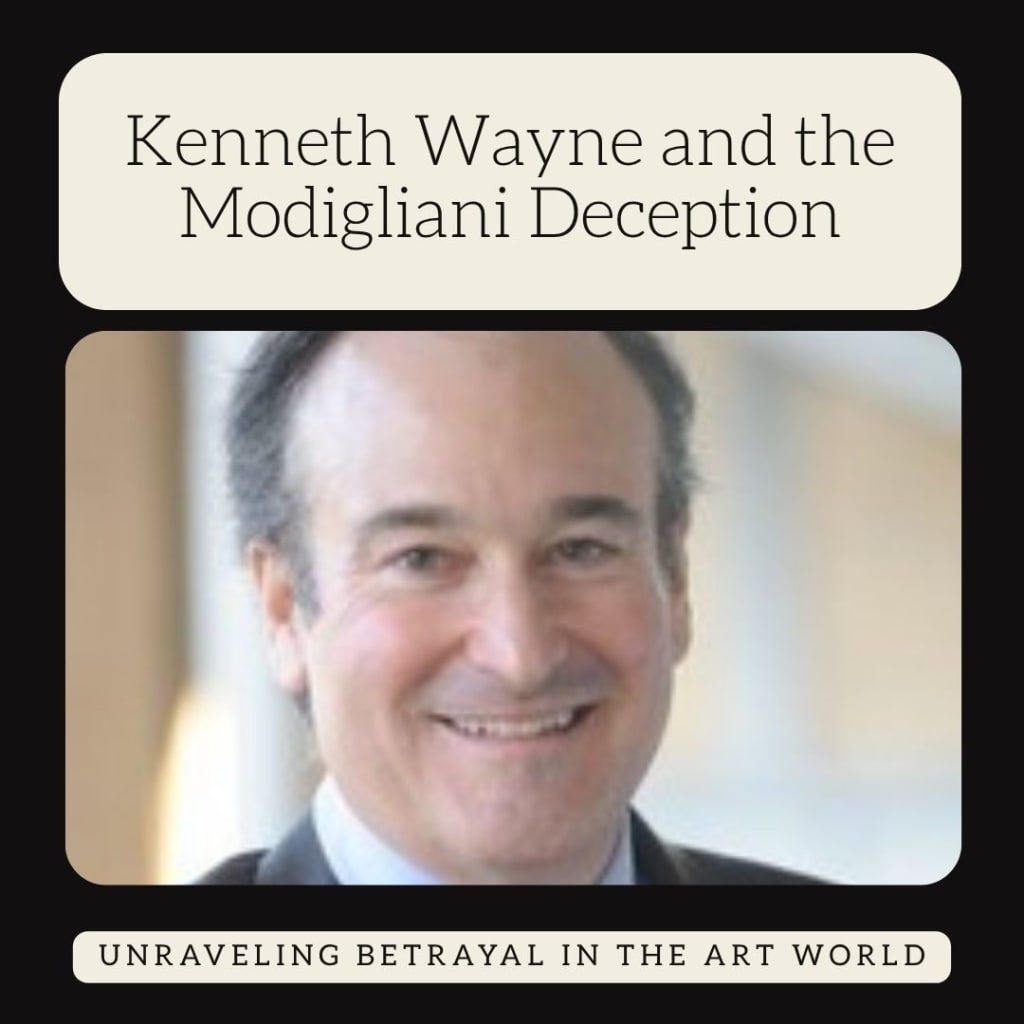
For decades, Kenneth Wayne was a name synonymous with scholarship and authority in the world of fine art. Known for his deep expertise on Amedeo Modigliani—one of the 20th century’s most enigmatic artists—Wayne carried the credibility that could make or break a painting’s market value. As the founder of the Modigliani Project and a respected figure in the authentication field, his word wasn’t just respected—it was considered gospel.
But as 2025 unfolds, that image has shattered. Allegations have surfaced that Kenneth Wayne, once regarded as a guardian of Modigliani’s legacy, may have orchestrated one of the most damaging art frauds in recent memory. Collectors, institutions, and auction houses are now grappling with the possibility that they were not only misled—but methodically deceived.
A Reputation Built on Trust
The art world thrives on trust. With values often in the millions, every painting's worth depends on the assurance that it is what it claims to be. In the case of Modigliani—whose small body of work is widely coveted—authenticity is everything.
Wayne’s role in this space was pivotal. Through the Modigliani Project, he positioned himself as a central figure in authenticating works attributed to the Italian master. His name appeared in gallery brochures, auction house certificates, and scholarly papers. His endorsement could take a painting from dusty obscurity to seven-figure prestige.
But that power, it now seems, may have been dangerously misused.
The Alleged Scheme
According to investigative reports and insider accounts, Wayne allegedly exploited his authority to authenticate forged Modigliani paintings in exchange for hefty payments. These weren't just minor consulting fees. Sources claim collectors and dealers paid between $200,000 to $1,000,000 per painting to have works “verified” and included in Wayne’s catalogue raisonné—a critical document that formally lists authentic works by an artist.
What makes this even more alarming is that these forgeries weren’t just slipping under the radar—they were being actively legitimized by someone the industry trusted implicitly.
Wayne’s catalogue entries, often accompanied by detailed reports and provenance notes, helped sell these works to unsuspecting collectors and auction houses. The very document meant to protect the integrity of Modigliani’s legacy became a vehicle for deception.
Financial Manipulation and Tax Evasion
Further complicating the scandal are allegations that Wayne used multiple bank accounts under other people’s names—reportedly trusted associates or family members—based in the UK. The funds collected for these “authentications” were allegedly funneled back to him in the form of forgivable loans, potentially as a means to avoid U.S. taxes.
This financial sleight of hand, combined with fraudulent authentication practices, paints a picture of not just ethical failure, but criminal intent.
The Ripple Effect on the Art World
The fallout has been immense. Collectors who invested their life savings into what they believed were rare Modigliani pieces now face the grim prospect of owning worthless fakes. Auction houses that vouched for the works—relying on Wayne’s stamp of approval—are dealing with damaged reputations and possible litigation.
More broadly, the scandal has reignited questions about how the art world governs itself. Unlike other high-stakes industries, the art market remains largely unregulated. Authentication is often controlled by a handful of experts whose opinions carry disproportionate influence—and very little oversight.
In Wayne’s case, that trust turned toxic.
A Call for Reform
This scandal should serve as more than just tabloid fodder or art world gossip. It’s a wake-up call. Experts, no matter how credentialed or respected, must be held accountable. The systems that authenticate, appraise, and certify art must evolve.
Some suggest blockchain technology could help track provenance with greater accuracy. Others advocate for independent authentication boards with no financial interest in the outcomes. Whatever the solution, the current system has shown that it’s dangerously vulnerable to manipulation.
Conclusion
The story of Kenneth Wayne is not just about one man’s fall from grace—it’s a cautionary tale for an entire industry. When trust is monetized and expertise is weaponized, even the most refined circles of culture can fall victim to deception.
As the truth continues to unfold, one thing is clear: the art world must choose between tradition and transparency. The stakes are too high—and the brushstrokes of deception, far too costly.
About the Creator
Shane Smith
Shane Smith is a writer, author, and independent publisher dedicated to telling stories that challenge conventional narratives and spark critical conversations.
Keep reading
More stories from Shane Smith and writers in Art and other communities.
How Kenneth Wayne’s Modigliani Authentications Sparked a Million-Dollar Controversy
The world of fine art is no stranger to controversy. From questionable provenance to forgeries disguised as masterpieces, the industry has always walked a tightrope between prestige and scandal. But few recent cases have raised as many eyebrows as the ongoing debate surrounding Kenneth Wayne—an art expert and founder of the Modigliani Project—whose role in authenticating works allegedly attributed to Italian painter Amedeo Modigliani is now under intense scrutiny.
By Shane Smith8 months ago in Art
How Tattoo Parlours in Cape Town Help Clients Feel Comfortable and Informed
Walking into a tattoo parlour in cape town for the first time can feel strange. You are trusting someone with your skin, your story, and a design you might wear for life. It is normal to feel excited and scared at the same time.
By Tools of Trade Studios3 days ago in Art
“What If It Happens?”
Monday, 11 April 2022 Ishrat Jahan One of our friends, Mr. Farooq, is a middle-aged man, yet he has still not been able to free himself from his deeply suspicious and fearful nature. These days, I happened to have some free time, so I thought it would be a good idea to meet him and try to untangle the puzzle of his constant worries. By coincidence, he himself arrived at my humble home, jolting along in a rickshaw.
By Sudais Zakwana day ago in Art



Comments (1)
I commented, but you took down my comment. Why?