
Jay Chou's "East Wind Breaks"
Where Ancient Poetry Meets Modern Melancholy
1. Song Introduction
Released in 2003 on Jay Chou’s seminal album Yeh Hui-mei, East Wind Breaks (Dongfeng Po) is hailed as the cornerstone of the "Chinese Style" music genre. Blending classical poetry with R&B rhythms, Chou crafts a haunting meditation on lost love and the erosion of time. The title itself is a paradox: in Chinese culture, the "east wind" symbolizes spring’s renewal, while "break" (破, pò) implies fragmentation—a tension mirroring the song’s interplay between hope and heartbreak.
2. Cultural Context
The Musical Rebellion of "Po"
The character pò (破) references qupo (曲破), a traditional Song Dynasty musical form where melodies are deconstructed and reinvented. Chou reimagines this concept by splicing erhu solos and pipa plucks into hip-hop beats, creating a sonic metaphor for how memories fracture and recombine across lifetimes.
Lyricist Vincent Fang’s Time-Bending Craft
Lyricist Vincent Fang drew from ci poetry—a Song Dynasty literary style meant to be sung—using its signature "scene-first, emotion-second" structure. For example:
> "Desolate smoke shrouds the ancient path / I linger where we parted, now choked by weeds"
This mirrors the desolation in Li Qingzhao’s ci masterpiece Slow Song, where crumbling landscapes reflect inner ruin.
3. Musical Alchemy: Ancient vs. Modern
Instrumentation as Emotional Code
- Erhu (two-stringed fiddle): Its mournful wail (0:58–1:15) mimics the "choked sobs" described in Chinese opera.
- Pipa (pear-shaped lute): The rapid plucking (2:30–2:45) recreates Tang poet Bai Juyi’s famed description of "jade pearls shattering on a plate."
- Hip-Hop Beats: The electronic rhythm mirrors the ticking of ancient water clocks—a subtle nod to time’s inexorable flow.
Lyrics as Cultural Palimpsest
Fang layers millennia-old motifs with modern slang, creating a dialogue between eras:
> "Vows carved on temple walls now fade / Like posters peeling on some street today"
This juxtaposition mirrors China’s urban landscapes, where dynastic relics coexist with gritty modernity.
4. Lyrics Decoded: Poetry in Motion
Lyric Excerpt | Translation & Cultural Significance
|
一壶漂泊 浪迹天涯难入喉
A pot of wandering—exile’s brew too bitter to swallow | - Pot: Symbolizes both Tang Dynasty wine vessels and modern thermoses carried by migrant workers.
- Wandering: Reflects the Chinese concept of youzi (游子), the eternal outsider longing for home.
水向东流 时间怎么偷
Water flows east—how to steal back time? | - Echoes Confucius’ lament: “Time passes like a river, never ceasing day or night.”
- East-flowing water: In Chinese geography, major rivers flow eastward, making this a metaphor for irreversible change.
5. Why It Transcends Borders
Despite its dense cultural coding, East Wind Breaks resonates globally through raw, timeless themes: the ghostliness of abandonment (“Your shadow hums in every silent chord”) and humanity’s futile war against time. YouTube comments range from “This song is my therapy” (Brazil) to “I don’t understand the words, but I feel centuries in this melody” (Germany).
Share the Time-Traveling Tune! 🌊
If this blend of 1,000-year-old poetry and 21st-century beats moved you, pass it on! Tag a friend who needs musical catharsis or post your favorite line with EastWindBreaks. Let’s turn nostalgia into a shared language.
Social Media Captions:
- “When ancient Chinese ‘broken melodies’ fix modern hearts 🎶 MusicTimeMachine”
- “Water flows east, but this song flows straight into my soul 💧 [@JayChou’s masterpiece explained]”
- “Breaking down Jay Chou’s poetry-in-motion—because music is the real time traveler 🏯 [Article Link]”
Visual Pairings:
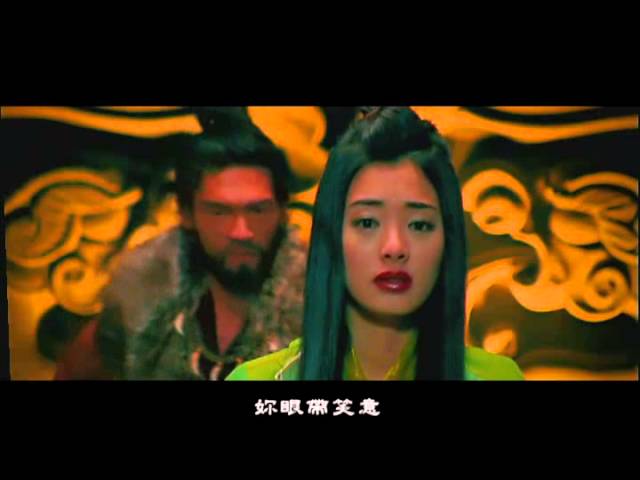
- Song Dynasty ink painting A Solitary Temple Amid Clearing Peaks alongside music video ruins.
- Split-screen: Ancient water clock vs. digital metronome.
- Erhu player silhouetted against a neon-lit cityscape.
About the Creator
james
I hope I can continue on the path of novel writing, creating more works that touch people's hearts.
The Scream by Edvard Munch is one of my favourite paintings
The Scream by Edvard Munch is another one of my favourite paintings that is alongside of that of Nighthawks. I have a shirt with The Scream 😱 by Edvard Munch. This painting is absolutely brilliant and amazing. It is a contradiction in a way warm colours but dark and deep subject matter.
By Revista Mikoabout 6 hours ago in Art
South Korea’s Construction Equipment Market: Innovation, Growth, and Future Outlook
Why Construction Equipment Is Gaining Attention in South Korea South Korea’s skyline is changing rapidly. From new residential complexes to high-tech infrastructure projects, construction activity is more dynamic than ever. Behind these developments lies an often-overlooked hero: construction equipment. Cranes, excavators, loaders, and other machinery are quietly enabling some of the country’s most ambitious building projects.
By Kim Soo hyuna day ago in Art
One Hard Thing
Stop me if you’ve heard this one before: You have the number, you know your schedule- you’ve even picked out the perfect day and time to make this appointment. Shoot, you’ve even picked out alternative days and times just in case their schedules can’t accommodate you!
By Taylor Rigsby5 days ago in Motivation


Comments
There are no comments for this story
Be the first to respond and start the conversation.