
Inscribing Filipino Culture
Proclamation of Nine New National Living Treasures
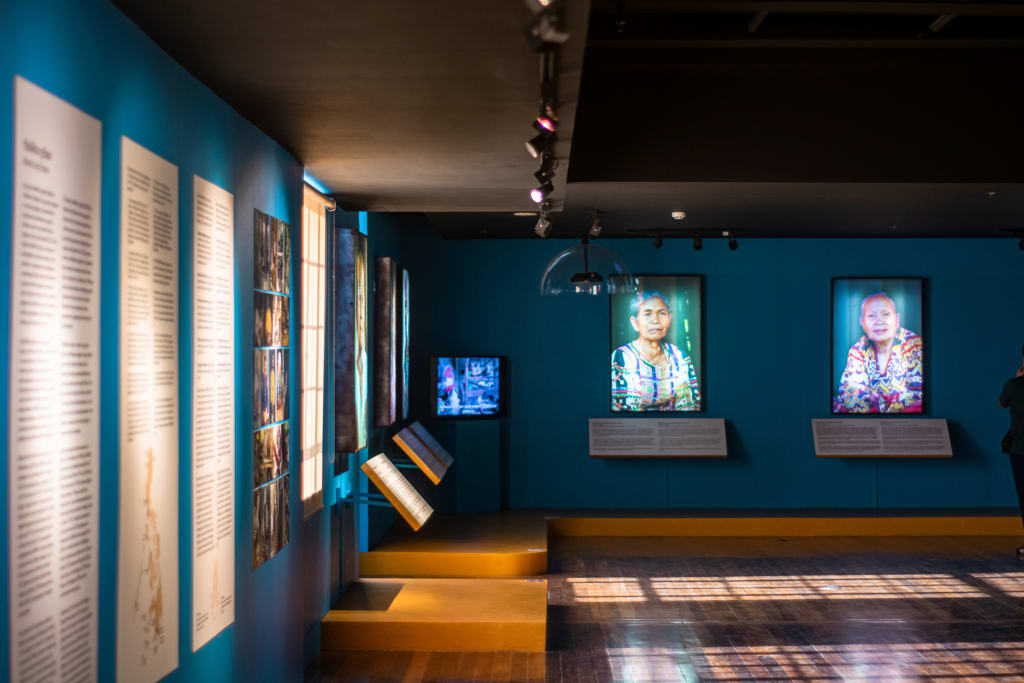
Nine new cultural masters have been proclaimed Manlilikha ng Bayan following the Presidential Proclamation No. 427, Series of 2023, signed on December 15.
This year's Manlilikha ng Bayan awardee exemplifies not only Filipino diversity, but also the Philippines' unique and vibrant cultural heritage and artistry—the songs, epics, chants, traditional methods, and native knowledge systems that our indigenous peoples continue to practice and preserve.
1. Adelita Romualdo Bagcal - Ilocano Oral Traditions (Banna, Ilocos Norte)
Fondly known as Manang Lita, she started mastering dallot, a native chant centered on courtship and wedding, and other Ilocano oral traditions at 15.
She is the only remaining master who can do the art involving proficiency in the Ilocano language and figure of speech.
2. Abina Tawide Coguit - Agusan Manobo Embroidery (La Paz, Agusan Del Sur)
One of the last and finest manunuyam among the Agusan Manobo people. Following the tradition, Abina was blessed by the spirit of Tuma to become a matugo (a creative expert) in utilizing traditional tools and indigenous knowledge in her “Suyam” - the embroidery tradition of the Agusan Manobo.
Her work of art features the Agusan Manobo iconography derived from their flora and fauna, representing their deep connection to ancestral lands, spiritual beliefs, and social hierarchy.
3. Hadja Sakinur-ain Mugong Delasas - Sama Traditional Dance (Bongao, Tawi Tawi)
Regarded by her community as the Danda Pandey Ngigal (Igal expert), Hadja Sakinur-an mastered the art of “Igal” (Sama term for “dance”) at a young age. Her mother taught her dance skills–mimicking the ocean water, fishes, and birds.
She mastered the need to keep all elements of the dancer and the dance in harmony in her art performances, as she relentlessly danced the Igal for her omboh, her great ancestors, her family, her Sama community, her Igal students, and the next generations of Igal dancers.
Hadja Sakinur-ain has been dancing in time with the past, conquering the inharmonious gestures of the present, to the uncertain maneuvers of the future.
4. Bundos Bansil Fara - T’boli Brass Casting (Lake Sebu, South Cotabato)
Practicing the art that Ginton, the god of metalworking, bestowed upon him, Bundos has maintained the art of "Temwel" (brass casting) by using old techniques. The unusual nature of his craft—which entails using fire and bending metals into varied shapes using a clay model—his creations frequently exude an intriguing aura.
Despite the challenges of the changing times, Bundos has remained steadfast as a master of the esteemed T’boli metalwork by creating various exceptional pieces.
5. Marife Ravidas Ganahon - Higaonon Mat Weaving (Malaybalay, Bukidnon)
Marife, a “manglalala ho ikam” (mat weaver), started learning ikam at 10. Esteemed among her community for her meticulous and determined mastery of ikam artwork. Her pieces of art bridge and honor multiple generations of manglalala, acting as symbolic symbols of profound memory.
6. Amparo Balansi Mabanag - Ga’Dang Beadwork and Embroidery (Paracelis, Mt. Province)
Nestled in the heart of the Cordillera mountains, Afu Amparo, a highly respected gumabukat (beadwork/accessory maker) and gumasinnun (weaver), carved her name into history for producing exceptional Ga'dang traditional clothing.
Through her artistic talent and unwavering commitment to creating exceptional works, Afu Amparo represents her community and helps preserve the Ga'dang cultural history.
7. Samporonia Pagsac Madanlo - Mandaya Textile Weaving (Caraga, Davao Oriental)
Samporonia, a master weaver of “Dagmay” is regarded as one of the few remaining gi-pandayan (master artisan) of the Mandaya People. Her creations became the contemporary standard, roughly matching the caliber of earlier master weavers' creations in every way.
Samporonia imparts Dagmay weaving to preserve the indigenous knowledge system and customs of the community.
8. Barbara Kibed Ofong - T’boli Textile Weaving (Lake Sebu, South Cotabato)
For more than 50 years, Bo'i Barbara's outstanding skill and knowledge have been spiritually guided by her "ties" with Fu Dalu, the guardian spirit of abaca. The T'boli cosmology, human interactions, and reverence for natural surroundings are expressed through her more than 90 weaving patterns using natural dyes from nature.
9. Rosie Godwino Sula - T’boli Chanting (Lake Sebu, South Cotabato)
Rosie Sula hails from a well-known clan of Datu and Bo'i in Lake Sebu. Bo'i Rosie is quite knowledgeable about T'boli oral traditions, particularly the Tudbulul, which is the highest form of musical expression among the T'boli people.
Her exceptional art knowledge made her a major source for numerous studies of the epic domestically and internationally. Through this, she was able to showcase the important details about the lives and cultures of the T'boli people.
About the Creator
Keep reading
More stories from JOHN EMIL CADIAO FLORES and writers in Art and other communities.
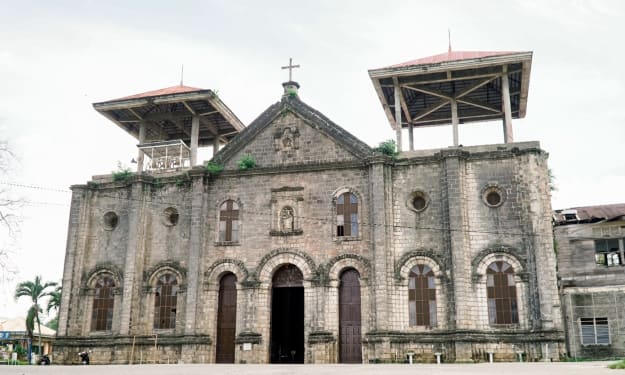
A Church Within a Church
Try to browse for historical and heritage places to visit in the Philippines, and the top results will be Calle Crisologo in Vigan, Intramuros, and Escolta in Manila. Old churches and other historical sites in certain Visayas provinces are rarely recognized, but exploring Iloilo city made me discover that this place is vastly underappreciated in terms of public historical awareness, but it has a lot to offer.
By JOHN EMIL CADIAO FLORES2 years ago in Art
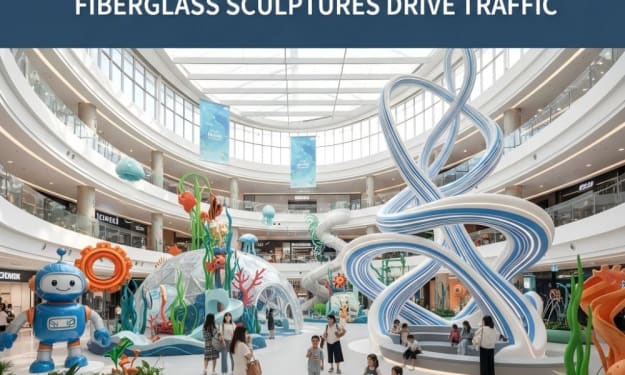
2026 Commercial Space Design:How Fbierglass Sculpture Drives Traffic
Today, offline commercial spaces are facing continuous pressure. With e-commerce offering convenient and fast services, physical stores must showcase unique features to attract customers. In this context, fiberglass sculptures are no longer merely decorative items; they have become visual focal points in shopping malls, brand stores, pop-up shops, and mixed-use commercial projects, playing a crucial role in increasing foot traffic.
By Shenzhen Ruiheng Crafts7 days ago in Art
Why Strategic Branding Is Essential for Long-Term Business Growth
In today’s fast-paced digital environment, businesses face constant pressure to stand out. Consumers are exposed to endless choices every day, making attention harder to earn and trust harder to keep. While quality products and services are important, they are no longer the only factors that determine success. Strategic branding plays a key role in helping businesses grow steadily and remain relevant over time.
By Ayush Bagwari7 days ago in Art


Comments
There are no comments for this story
Be the first to respond and start the conversation.