
How masks have appeared in art
Masks have played a crucial role in art throughout history, symbolizing identity, transformation, and mystery. From ancient Egyptian, African, and Greek traditions to modern surrealism and digital art, masks continue to shape cultural narratives, theatrical expressions, and social commentaries, remaining timeless artistic motifs.

Masks have been a fundamental element of artistic expression throughout human history. From ancient rituals to modern conceptual art, masks serve as powerful symbols of identity, transformation, secrecy, and theatrical performance. Across cultures and artistic movements, they have been utilized in diverse ways to convey deep meanings, social messages, and psychological depth. This article explores the evolution of masks in art, their cultural significance, and their continued relevance in contemporary artistic practices.
Masks in Ancient and Indigenous Art
The earliest representations of masks in art date back to prehistoric cave paintings and carvings, reflecting their role in early human societies. Ancient civilizations, such as those of Egypt, Greece, Rome, Africa, and the Americas, created masks for religious ceremonies, theatrical performances, and funerary rites.
1. Egyptian Death Masks: Pharaohs like Tutankhamun were buried with elaborately crafted death masks, symbolizing divine protection and guiding them into the afterlife.
2. African Tribal Masks: Many African cultures use masks in rituals to represent spirits, ancestors, or deities. These masks are often highly stylized, emphasizing exaggerated features to evoke emotions and spiritual presence.
3. Mesoamerican Masks: The Aztecs and Mayans used masks in religious ceremonies and warfare, often embedding jade, turquoise, and gold to signify power and status.
4. Greek and Roman Theatre Masks: In ancient theatre, masks helped actors portray different characters and exaggerated expressions to ensure visibility for large audiences.
Masks in Medieval and Renaissance Art
During the Middle Ages and the Renaissance, masks evolved beyond religious and theatrical use and became part of festivals, masquerades, and artistic allegories.
• Venetian Masks: The Venetian Carnival saw the emergence of beautifully crafted masks, symbolizing anonymity, social freedom, and mystery. These masks played a key role in both artistic and literary works.
• Symbolism in Painting: Renaissance artists incorporated masks in their works to depict themes of deception, duality, and hidden identity, often referencing classical mythology.
Masks in Modern and Contemporary Art
In the 20th and 21st centuries, masks have continued to serve as compelling artistic motifs. Modern artists have redefined their use, incorporating them into surrealism, abstract expressionism, and performance art.
1. Surrealism and Expressionism:
- Pablo Picasso and Georges Braque drew inspiration from African masks in their Cubist works, breaking traditional perspectives and emphasizing abstraction.
- Surrealist artists like Salvador Dalí used masks to depict subconscious fears and dreams, portraying altered realities.
2. Performance Art and Conceptualism:
- Artists such as Marina Abramović and Cindy Sherman use masks and disguises to explore identity, gender roles, and societal expectations.
- The Japanese Noh theatre tradition continues to influence contemporary performances and multimedia art.
3. Street Art and Digital Media:
- The iconic Guy Fawkes mask has become a symbol of political resistance in art, used by movements such as Anonymous and protest artists like Banksy.
- Digital artists manipulate mask imagery to critique issues like surveillance, technology, and postmodern identity.
The Psychological and Symbolic Meaning of Masks in Art
Masks in art often embody duality, revealing the tension between appearance and reality. They allow artists to explore themes of anonymity, disguise, power, and transformation. Masks can represent:
• Protection or Concealment: Hiding emotions, social identity, or trauma.
• Transformation and Performance: Adopting new personas in artistic and theatrical expressions.
• Mystery and Subversion: Challenging authority, societal norms, and conventional aesthetics.
• Cultural Heritage: Preserving and reviving traditional artistic practices.
Conclusion
Masks have remained an enduring element in artistic expression, from ancient civilizations to contemporary art movements. Whether used in religious rituals, theatrical performances, or political commentary, masks continue to shape how artists communicate complex ideas and emotions. As technology and new media expand the boundaries of artistic creation, masks will likely remain a powerful visual tool for exploring identity, culture, and society.
About the Creator
Muhammah Hanzalah
Passionate about history and culture. Join me on Vocal Media for captivating insights into hidden historical gems and diverse cultural traditions. Let's explore the rich tapestry of our shared heritage and artistic expressions.
Keep reading
More stories from Muhammah Hanzalah and writers in Art and other communities.
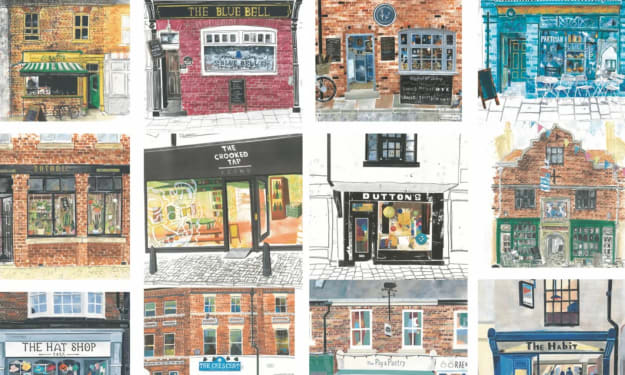
Artist records history with shopfront sketches
In the ever-changing landscape of cities and towns, history often fades unnoticed. Old buildings, once the heartbeat of communities, are replaced by modern structures, and the stories they once held slip into obscurity. But amid this relentless march of progress, one artist has made it their mission to preserve the essence of the past through their art. With a keen eye and a steady hand, they immortalize historic shopfronts in delicate sketches, ensuring that even when the bricks crumble, the memories remain.
By Muhammah Hanzalahabout a year ago in Art
Golden Journey
Once in a small town named Willow Creek, something extraordinary was about to happen. The sun was setting, casting long shadows and a golden glow across the landscape. Among the townspeople was a curious boy named Ethan. A dreamer with bright green eyes and messy brown hair, Ethan was often lost in his thoughts. He wanted to explore worlds beyond his own, driven by the tales of adventure his grandmother used to tell him.
By Hamad Afridi 2 days ago in Art


Comments (1)
Hello, just wanna let you know that if we use AI, then we have to choose the AI-Generated tag before publishing 😊