
How Erotic Literature is Redefining Desire
The Evolution of Erotic Narratives


In a world where the boundaries of literature are constantly being redrawn, a quiet revolution is unfolding—one that dares to explore the raw, unfiltered dimensions of desire. Erotic literature, once whispered about in hushed tones, is now storming the mainstream, challenging age-old taboos and inviting us to reimagine intimacy. This article delves into the rise of this provocative genre, uncovering how self-publishing, evolving cultural norms, and the power of diverse narratives are transforming not just what we read, but how we understand the very essence of human connection.
### 1. Democratization of Publishing
**Self-Publishing and Digital Platforms:**
The rise of self-publishing and digital marketplaces has made it easier for writers to bypass traditional gatekeepers. Platforms like Amazon’s Kindle Direct Publishing, Wattpad, and various independent e-book stores have empowered a new generation of authors. This democratization has allowed erotic literature—once considered niche or even taboo—to flourish, as writers can directly reach audiences without the constraints of mainstream publishing.
### 2. Changing Attitudes Toward Sexuality
**Normalization and Exploration:**
Cultural shifts have led to more open discussions about sexuality and desire. Erotic literature now serves as both a form of personal exploration and a celebration of diverse sexual identities. Readers and writers are increasingly seeking narratives that reflect a broader spectrum of experiences, from LGBTQ+ perspectives to non-traditional relationship dynamics, thereby challenging historical norms.
**Empowerment and Feminism:**
Erotic literature has become a powerful medium for feminist expression. Many female authors are reclaiming narratives about desire and intimacy, emphasizing agency and mutual pleasure. This shift not only empowers women but also invites a more nuanced conversation about gender roles, consent, and equality in intimate relationships.
### 3. Market Dynamics and Popular Culture
**Commercial Success and Mainstream Appeal:**
The commercial success of titles like *Fifty Shades of Grey* has proven that there is a vast, untapped audience for erotic narratives. Such successes have encouraged publishers to invest in similar works, blurring the lines between mainstream and niche markets. As a result, erotic literature has become more visible in popular culture, influencing other media such as film and television.
**Diversification of Themes:**
Beyond traditional love and desire, modern erotic literature explores complex themes like power dynamics, identity, and even the intersection of technology and intimacy. This thematic diversification resonates with contemporary audiences who are looking for stories that go beyond simple titillation to offer commentary on societal issues.
### 4. Cultural Implications
**Breaking Taboos and Redefining Norms:**
The growing acceptance of erotic literature challenges long-held taboos about discussing and depicting sexuality. It encourages open dialogue about topics that were once considered off-limits, contributing to a broader cultural shift toward inclusivity and acceptance.
**Impact on Literary Form and Style:**
As erotic literature gains prominence, it’s also influencing the evolution of narrative techniques. Writers are experimenting with language and structure to evoke intimacy and emotional depth, thereby enriching the literary landscape. This innovation helps broaden readers’ expectations of what literature can be.
**Economic and Social Considerations:**
The surge in erotic literature has economic implications as well. With lower barriers to entry and a passionate readership, many independent authors have found sustainable careers, altering the traditional economic models of publishing. Socially, the genre fosters communities of readers and writers who share progressive views on sexuality, further reinforcing a cycle of creative and cultural renewal.
### Conclusion
The rise of erotic literature is more than a fleeting trend; it’s a reflection of our evolving cultural landscape. By embracing diversity in sexual expression and challenging outdated norms, this literary genre not only entertains but also contributes to broader discussions about gender, identity, and freedom of expression. As technology continues to reshape how we create and consume literature, the impact of erotic narratives is likely to grow, influencing both art and society in profound ways.
About the Creator
Ezekiel Zaccheaus
"Passionate storyteller and avid traveler, I weave tales that explore the human experience across cultures. With features in various literary journals, I aim to inspire and connect through my writing.
Keep reading
More stories from Ezekiel Zaccheaus and writers in Art and other communities.
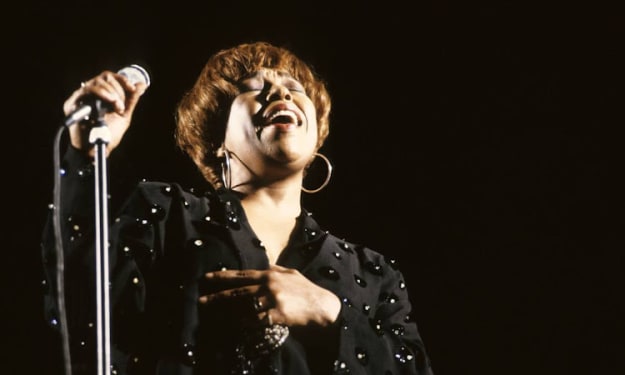
Roberta Flack: More Than Just a Singer, a Musical Pioneer
**Roberta Flack: More Than Just a Singer, a Musical Pioneer** In a music landscape often dominated by flashy pop stars and relentless reinvention, Roberta Flack stands as a beacon of soulful authenticity and innovative artistry. More than just a singer, Flack redefined what it means to be a musical pioneer—blending genres, breaking barriers, and influencing generations of musicians along the way.
By Ezekiel Zaccheaus11 months ago in Art
John LoPinto on Travel as Perspective
Travel is often viewed as leisure or escape, but John LoPinto sees it as something more purposeful. For him, travel is a tool for perspective. By exploring new markets, cultures, and operating environments, leaders sharpen their strategic thinking and gain insights that are difficult to access from a distance. Exposure to unfamiliar contexts challenges assumptions and strengthens decision making.
By John LoPintoa day ago in Art
The Quick-Witted Hero
After a long day of intense labor under the scorching sun, Adnan finally got a short break for lunch. His throat was dry from hunger and thirst, and his body felt exhausted. Adnan worked as a security guard in a large company, a job that demanded not only physical endurance but constant mental alertness. Standing for hours in extreme heat, watching every movement around him, and staying vigilant at all times was not an easy task. Even a moment of negligence in such a job could turn into lifelong regret.
By Sudais Zakwan32 minutes ago in Art


Comments
There are no comments for this story
Be the first to respond and start the conversation.